When it comes to roof installation, the stakes are high. A well-installed roof not only protects your home from the elements but also enhances its overall value. However, many homeowners and contractors alike fall prey to common roofing errors that can lead to significant issues down the line. Understanding these pitfalls is crucial for anyone considering a new roof, as the consequences of poor installation can be both costly and time-consuming. In the world of roofing news, stories often emerge highlighting the repercussions of inadequate installation practices.
From leaks and structural damage to increased energy costs, the impact of these mistakes can ripple through a household, affecting everything from comfort to safety. As such, it is essential to approach roof installation with a keen awareness of what can go wrong. This article aims to shed light on the most prevalent mistakes made during roof installation, providing insights that will help you avoid them. By being informed and vigilant, you can ensure that your roofing project is executed flawlessly, safeguarding your investment and ensuring peace of mind for years to come.
Choosing the Wrong Roofing Material
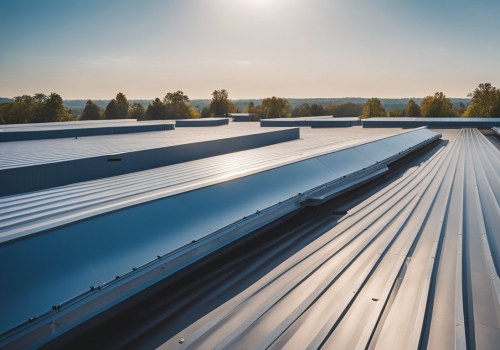
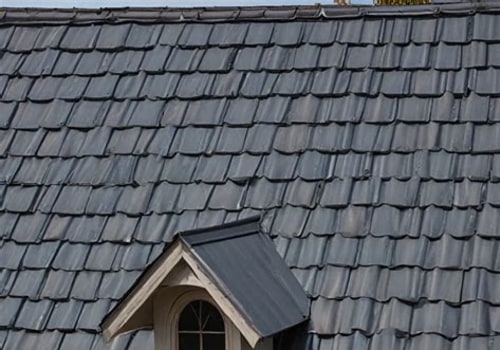
When it comes to roofing, selecting the right materials is crucial for ensuring durability, efficiency, and aesthetic appeal. One of the most common mistakes homeowners make is choosing the wrong roofing material for their specific needs.This decision can lead to a host of problems down the line, including increased maintenance costs and reduced property value.Firstly, it’s essential to consider the climate in which you live. For instance, areas prone to heavy rainfall or snow require materials that can withstand moisture and prevent leaks. Metal roofing, for example, is an excellent choice in such climates due to its durability and resistance to water damage. On the other hand, in regions with high temperatures and intense sunlight, materials like asphalt shingles may deteriorate faster than alternatives such as clay tiles or slate.Another critical factor is the building structure.
The weight of the roofing material must be compatible with the existing framework of your home. Heavy materials like slate may not be suitable for older structures that were not designed to support them. This oversight can lead to structural issues and costly repairs.Additionally, budget constraints often lead homeowners to opt for cheaper materials without considering their long-term implications. While it might seem economical initially, low-quality roofing can result in frequent repairs and replacements, ultimately costing more over time.
It’s advisable to invest in quality materials that offer better warranties and longevity.To avoid these pitfalls, homeowners should conduct thorough research or consult with roofing professionals who stay updated with roofing news and trends. Understanding the pros and cons of various materials will empower you to make informed decisions that align with your home’s needs and your financial situation.In summary, avoiding the mistake of choosing the wrong roofing material involves careful consideration of climate, building structure, and budget. By prioritising these factors, you can ensure a successful roofing project that enhances your home’s value and longevity.
Neglecting Proper Roof Measurements
When it comes to roofing, accurate measurements are crucial. Neglecting proper roof measurements can lead to a cascade of problems during installation, ultimately affecting the roof's integrity and longevity.One of the most common mistakes is measuring the roof incorrectly, which can result in purchasing insufficient materials or, conversely, excess that goes to waste.To avoid these pitfalls, consider the following tips:
- Use the Right Tools: Invest in quality measuring tools such as a tape measure, laser distance measurer, or even a roofing square. These tools can help ensure that your measurements are precise.
- Measure Twice: A common adage in construction is to "measure twice, cut once." This principle applies to roofing as well. Always double-check your measurements before making any cuts or purchases.
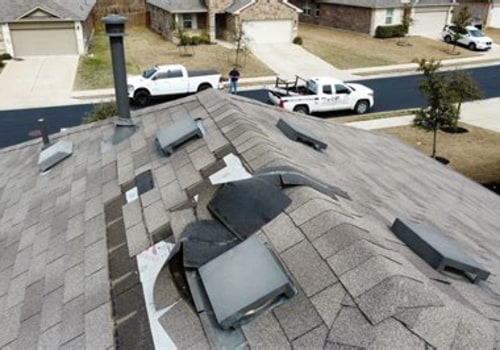
- Account for Roof Features: Be mindful of any features on your roof, such as chimneys, skylights, or vents. These elements can affect the overall measurements and should be included in your calculations.
- Consider Roof Slope: The slope of your roof can significantly impact the amount of material needed.
Ensure you measure the pitch accurately to avoid underestimating or overestimating material requirements.
Ignoring Local Building Codes and Regulations
When embarking on a roofing project, one of the most critical aspects to consider is adherence to local building codes and regulations. These codes are established to ensure safety, structural integrity, and compliance with community standards. Ignoring these regulations can lead to serious legal repercussions and costly rework.Understanding Local Regulations
- Research Local Codes: Before starting your roofing installation, it’s essential to research the specific building codes in your area.
These codes can vary significantly from one locality to another, affecting everything from materials used to the overall design of the roof.
- Permits: Many regions require permits for roofing work. Failing to obtain the necessary permits can result in fines and may even require you to remove the newly installed roof.
- Inspections: Some localities mandate inspections at various stages of the roofing process. Ensure that you schedule these inspections to avoid complications later on.
The Importance of Compliance
Compliance with local building codes not only protects you legally but also ensures that your roof is safe and durable. A roof that does not meet these standards may be more susceptible to damage from weather events, leading to increased maintenance costs and potential hazards.
Staying Updated with Roofing News
The world of roofing is constantly evolving, with new materials and techniques emerging regularly.
Keeping abreast of roofing news can help you stay informed about any changes in local regulations or best practices that could impact your installation. Engaging with local contractors or industry professionals can also provide valuable insights into compliance requirements.In summary, ignoring local building codes and regulations during a roof installation can lead to significant issues down the line. By prioritising compliance, you not only safeguard your investment but also contribute to the overall safety and aesthetic of your community.
Improper Installation Techniques
When it comes to roofing, the installation techniques employed can significantly impact the longevity and performance of your roof. Unfortunately, many homeowners and even some contractors make critical errors during the installation process that can lead to serious issues down the line.Incorrect Nailing Patterns
- One of the most common mistakes is using improper nailing patterns.
Each type of roofing material has specific guidelines for how nails should be placed. For instance, failing to follow the manufacturer’s recommendations can result in inadequate fastening, leading to shingles lifting or blowing off during storms.
- Additionally, over-nailing or under-nailing can compromise the roof's integrity. Over-nailing can cause damage to the shingles, while under-nailing may not provide enough hold, increasing the risk of leaks.
Inadequate Sealing
- Another frequent error is inadequate sealing around roof penetrations such as vents, chimneys, and skylights. Proper sealing is crucial to prevent water infiltration, which can lead to mould growth and structural damage.
- Using the wrong type of sealant or failing to apply it correctly can create vulnerabilities in your roof.
It’s essential to ensure that all seams and joints are properly sealed to maintain a watertight barrier.
Ignoring Local Building Codes
- Many installers overlook local building codes that dictate specific installation practices. Ignoring these regulations not only jeopardises the roof's performance but can also lead to legal issues if inspections are required.
- Staying updated with roofing news regarding local codes and best practices is vital for ensuring compliance and safety.
Overlooking Ventilation Needs
When installing a new roof, one of the most critical aspects that often gets overlooked is ventilation. Proper roof ventilation is essential for maintaining a healthy roofing system and preventing issues such as moisture buildup, which can lead to significant damage over time.Moisture accumulation
can occur due to various factors, including humidity from inside the home, rain, and snow.Without adequate ventilation, this moisture can become trapped in the attic space, leading to problems like mould growth, wood rot, and even structural damage. Therefore, understanding your ventilation needs is crucial when planning a roofing installation.
Common Ventilation Mistakes
- Insufficient Intake Vents: Many homeowners fail to install enough intake vents, which are necessary for allowing fresh air to enter the attic. This imbalance can create negative pressure, causing air to be drawn in from unwanted areas.
- Poor Placement of Vents: The location of vents is just as important as their quantity. Vents should be strategically placed to ensure optimal airflow throughout the attic space.
- Ignoring Existing Ventilation: If your home already has a ventilation system in place, it’s essential to assess its condition and effectiveness before installing a new roof.
Overlooking this can lead to inadequate airflow.
- Neglecting Roof Type Considerations: Different roofing materials may require specific ventilation solutions. For instance, metal roofs may need different venting strategies compared to asphalt shingles.
Failing to Hire Qualified Professionals
When it comes to roofing, one of the most critical decisions you can make is hiring qualified professionals.Many homeowners underestimate the importance of this step, often opting for the cheapest option or attempting a DIY approach. However, failing to hire experienced roofers can lead to a multitude of problems that may cost you more in the long run.
Risks of Hiring Unqualified Contractors
- Poor Workmanship: Inexperienced roofers may not follow best practices, leading to improper installation. This can result in leaks, structural damage, and a shorter lifespan for your roof.
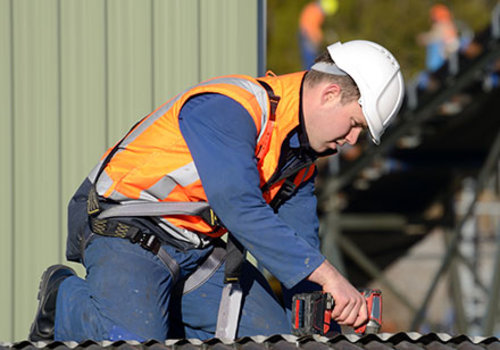
- Safety Hazards: Roofing is inherently dangerous. Unqualified contractors may not adhere to safety protocols, putting themselves and your property at risk.
- Lack of Warranty: Many reputable roofing companies offer warranties on their work.
If you hire an unqualified contractor, you may not receive any guarantee, leaving you vulnerable to future repairs.
How to Choose Reputable Professionals
- Check Credentials: Ensure that the roofing contractor is licensed and insured. This protects you from liability in case of accidents and ensures that they meet industry standards.
- Read Reviews: Look for customer testimonials and reviews online. Websites like Trustpilot or Google Reviews can provide insights into the contractor's reputation.
- Ask for References: A reliable roofer should be able to provide references from previous clients. Contact these references to inquire about their experiences.
- Get Multiple Quotes: Don’t settle for the first estimate you receive.
Obtain quotes from several contractors to compare pricing and services offered.
Neglecting Regular Maintenance Post-Installation
Once your new roof is installed, it’s easy to assume that the hard work is done. However, neglecting regular maintenance can lead to significant issues down the line, ultimately shortening the lifespan of your roof and increasing repair costs.Understanding the common roof maintenance mistakes can help you avoid these pitfalls.
1.Ignoring Routine Inspections
- It’s essential to conduct regular inspections, ideally twice a year, to identify any potential problems early on.
- Look for signs of wear and tear, such as missing shingles, cracks, or signs of water damage.
2.Overlooking Gutter Maintenance
- Clogged gutters can lead to water pooling on your roof, which may cause leaks and structural damage.
- Ensure that gutters are cleaned regularly and that downspouts direct water away from the foundation.
3.Failing to Address Minor Repairs Promptly
- Small issues can quickly escalate if not addressed. For instance, a minor leak can lead to extensive water damage if left unattended.
- Make it a habit to fix minor repairs as soon as they are noticed to prevent larger problems.
4.Neglecting Roof Ventilation
- Proper ventilation is crucial for maintaining a healthy roof. Poor ventilation can lead to heat buildup and moisture accumulation, which can damage roofing materials.
- Ensure that your roof has adequate ventilation systems in place and that they are functioning correctly.
5.Not Keeping the Roof Clean
- Moss, algae, and debris can accumulate on your roof, leading to deterioration over time.
- Regular cleaning helps maintain the integrity of roofing materials and enhances curb appeal.
FAQs About Roofing Installation Mistakes
When it comes to roofing installation, many homeowners have questions about potential pitfalls.Here are some frequently asked questions that can help clarify common mistakes to avoid:
What are the most common mistakes made during roof installation?
- Improper measurements: Failing to take accurate measurements can lead to material shortages or excess, both of which can be costly.
- Neglecting ventilation: Inadequate ventilation can cause heat and moisture buildup, leading to premature roof deterioration.
- Ignoring local building codes: Not adhering to local regulations can result in fines and the need for costly rework.
- Poor flashing installation: Flashing is crucial for preventing leaks; improper installation can lead to significant water damage.
How can I ensure my roof is installed correctly?
To ensure a successful roofing project, consider the following tips:- Hire a qualified contractor: Always choose a reputable contractor with experience in roofing installations.
- Request references: Ask for previous work examples and client testimonials to gauge the contractor's reliability.
- Review the contract: Ensure all details, including materials and timelines, are clearly outlined in the contract before work begins.
What should I do if I notice a mistake after installation?
If you discover a mistake post-installation, it’s essential to act quickly. Contact your contractor immediately to discuss the issue. Most reputable contractors will address mistakes under warranty or provide solutions. Document any problems with photos and written descriptions to support your case. Staying informed about roofing news and common installation mistakes can empower homeowners to make better decisions and avoid costly errors in their roofing projects.Conclusion: Key Takeaways on Avoiding Roofing Mistakes
In conclusion, avoiding common mistakes during roof installation is crucial for ensuring the longevity and effectiveness of your new roof.By being aware of these pitfalls, you can save time, money, and stress in the long run.
Key Points to Remember
- Proper Planning: Always start with a detailed plan that includes budgeting, material selection, and timelines. This will help you avoid unexpected costs and delays.
- Hiring Qualified Professionals: Ensure that you choose experienced and reputable roofing contractors. Check their credentials, reviews, and past work to avoid subpar installations.
- Ignoring Local Regulations: Familiarise yourself with local building codes and regulations. Failing to comply can lead to fines and the need for costly rework.
- Neglecting Roof Maintenance: After installation, regular maintenance is essential.
Schedule inspections and address minor issues before they escalate into major problems.
- Choosing the Wrong Materials: Select roofing materials that are suitable for your climate and home style. Inappropriate choices can lead to premature wear and tear.