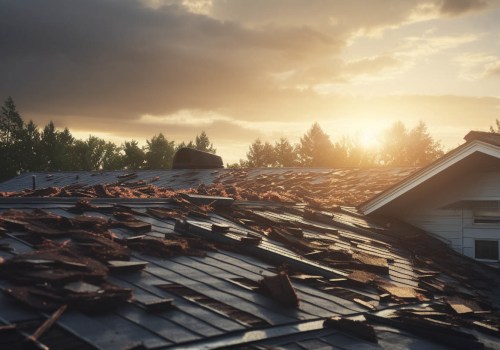
When it comes to construction, roofing materials play a pivotal role in ensuring the durability and aesthetic appeal of a building. The choice of roofing material not only affects the overall look of a property but also its energy efficiency, maintenance requirements, and longevity. With a plethora of options available, from traditional slate and tile to modern metal and asphalt shingles, understanding the unique characteristics of each material is essential for homeowners and builders alike. The installation process for these materials can vary significantly, influenced by factors such as weight, flexibility, and weather resistance. For instance, while asphalt shingles are relatively straightforward to install and can be laid over existing roofs, materials like slate require a more intricate approach due to their weight and the need for precise alignment.
This variation in installation techniques not only impacts the time and cost involved but also the long-term performance of the roof. As we delve deeper into this topic, it is crucial to stay updated with the latest roofing news, as advancements in technology and materials continue to evolve. Innovations such as eco-friendly roofing options and improved installation methods are reshaping the industry, making it imperative for both professionals and homeowners to remain informed. Understanding these differences in installation processes will empower you to make better decisions when selecting roofing materials for your next project.
Overview of Common Roofing Materials
When considering roofing options, it is essential to understand the various types of roofing materials available, as each comes with its own unique characteristics and installation requirements. Here’s a brief overview of some of the most common materials used in roofing today:- Asphalt Shingles: One of the most popular choices due to their affordability and ease of installation.
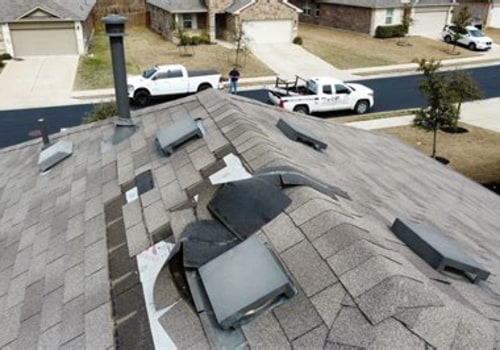
Asphalt shingles are typically laid in overlapping rows, making them relatively straightforward for contractors to install. They are available in a variety of colours and styles, allowing homeowners to choose an aesthetic that suits their property.
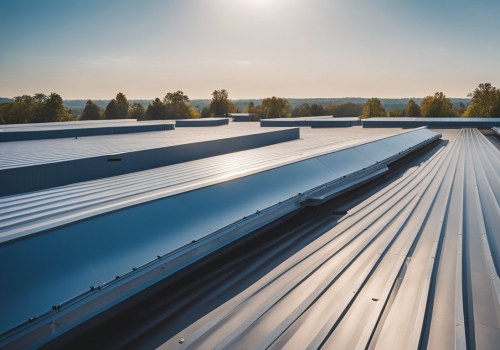
- Metal Roofing: Known for its durability and longevity, metal roofing can be made from materials such as steel, aluminium, or copper. The installation process often involves fastening panels or shingles directly to the roof deck, which can require specialised tools and techniques to ensure proper sealing and insulation.
- Tile Roofing: Often associated with Mediterranean or Spanish-style homes, tile roofing is made from clay or concrete. The installation process is more labour-intensive due to the weight of the tiles and the need for a sturdy underlayment.
Proper alignment and spacing are crucial to prevent leaks and ensure longevity.
- Slate Roofing: Renowned for its elegance and durability, slate is a natural stone that requires skilled craftsmanship for installation. Each slate tile must be carefully placed and secured, making this one of the more expensive roofing options. The installation process can be time-consuming but results in a roof that can last over a century.
Asphalt Shingles: Installation Process and Considerations
Installing asphalt shingles is a popular choice for many homeowners due to their affordability and ease of installation.Understanding the installation process is crucial for achieving a durable and aesthetically pleasing roof. Below is a detailed guide on the steps involved in the installation of asphalt shingles.
Preparation
Before laying down the shingles, proper preparation is essential:- Inspect the Roof Deck: Ensure that the roof deck is clean, dry, and free from any damage. Replace any rotting or damaged wood to provide a solid foundation.
- Install Underlayment: Lay down a waterproof underlayment to protect against moisture. This layer acts as a barrier between the shingles and the roof deck.
- Check for Proper Ventilation: Ensure that your roof has adequate ventilation to prevent heat and moisture buildup, which can lead to shingle deterioration.
Laying the Shingles
The actual installation of asphalt shingles involves several key steps:- Start at the Eaves: Begin laying shingles at the bottom edge of the roof, working your way up.
This ensures that water flows over the shingles rather than underneath them.
- Overlap Shingles: Each row of shingles should overlap the previous one by at least 5 to 6 inches to prevent leaks.
- Nail Placement: Use roofing nails to secure each shingle, placing them in the designated nailing area to avoid damaging the shingle.
- Install Ridge Cap Shingles: Once all field shingles are installed, add ridge cap shingles along the peak of the roof for added protection and a finished look.
Finishing Touches
After installation, it’s important to conduct a thorough inspection:- Check for Gaps: Ensure there are no gaps or exposed areas that could allow water infiltration.
- Clean Up Debris: Remove any leftover materials or debris from the roof to prevent future issues.
- Monitor for Issues: Keep an eye on your new roof during heavy rain or storms to identify any potential problems early on.
Metal Roofing: Unique Installation Techniques
When it comes to metal roofing installation, the process is distinct from traditional roofing materials due to the unique characteristics of metal panels. Understanding these specific roofing techniques is essential for achieving a durable and aesthetically pleasing roof.One of the primary considerations in metal roofing installation is the type of panel used. There are several options available, including:- Standing seam panels: These are characterised by vertical seams that rise above the level of the panel, providing excellent water drainage and reducing the risk of leaks.
- Corrugated panels: Known for their wavy design, these panels are lightweight and easy to install, making them a popular choice for agricultural buildings.
- Metal shingles: Designed to mimic traditional roofing materials like slate or wood, metal shingles offer a unique aesthetic while maintaining the benefits of metal.
Unlike asphalt shingles that rely on nails, metal roofs often use screws with rubber washers to create a watertight seal. This method not only secures the panels but also allows for thermal expansion and contraction, which is vital in preventing damage over time.While there are numerous advantages to metal roofing, such as longevity and energy efficiency, there are also challenges that installers must navigate. For instance, proper alignment and spacing of panels are critical to ensure that water flows correctly off the roof. Additionally, installers must be cautious about handling sharp edges during installation to avoid injuries.In summary, understanding the unique installation techniques for metal roofing is essential for both contractors and homeowners.
Keeping abreast of the latest roofing news can provide insights into innovative practices and materials that enhance the installation process and overall performance of metal roofs.
Tile Roofing: Installation Steps and Best Practices
Installing tile roofing requires careful planning and execution to ensure durability and aesthetic appeal. The process begins with the preparation of the roof deck, which must be clean, dry, and structurally sound. A crucial step in this process is the installation of an appropriate underlayment. This layer acts as a moisture barrier, protecting the roof deck from water infiltration and extending the lifespan of the roofing system.Once the underlayment is in place, the next step involves laying out the tiles.Proper alignment is essential; tiles should be installed starting from the bottom edge of the roof and working upwards. This method not only facilitates water drainage but also ensures that each tile overlaps correctly, preventing leaks. It is advisable to use a chalk line to maintain straight rows and ensure uniformity throughout the installation.
- Tile Placement: Each tile should be secured with nails or clips, depending on the specific type of tile being used. Ensure that fasteners are placed in areas that will not compromise the tile's integrity.
- Ventilation: Adequate ventilation is vital for tile roofs.
Ensure that there are sufficient vents to allow for air circulation, which helps prevent moisture buildup.
- Flashing Installation: Pay special attention to areas around chimneys, vents, and valleys. Proper flashing installation is critical to prevent water intrusion.
Slate Roofing: A Detailed Installation Guide
Installing slate roofing requires a meticulous approach due to the material's unique properties and weight.This detailed guide will walk you through the essential steps and considerations for a successful installation.
Material Selection
- Quality of Slate: Choose high-quality slate that is durable and suitable for your climate. Look for natural slate with a thickness of at least 1/4 inch.
- Underlayment: A robust underlayment is crucial. Use a waterproof membrane to protect against moisture infiltration.
- Fasteners: Opt for copper or stainless steel nails, as they resist corrosion and provide long-lasting support.
Installation Techniques
- Preparation: Ensure the roof deck is clean, dry, and structurally sound. Any damaged areas should be repaired before installation begins.
- Layout: Plan the layout carefully.
Start from the bottom edge of the roof and work upwards, overlapping each row of slate to ensure proper water runoff.
- Nailing: Each slate tile should be nailed at least twice to secure it firmly. Ensure that nails are driven in at the correct angle to avoid damaging the slate.
- Flashing: Install flashing around chimneys, vents, and valleys to prevent leaks. This is a critical step that should not be overlooked.
- Final Inspection: Once installation is complete, conduct a thorough inspection to check for any loose tiles or potential weak points.
Proper installation techniques will not only enhance the roof's appearance but also contribute significantly to its lifespan, making it a worthwhile investment in your property.
FAQs About Roofing Material Installations
When it comes to roofing installations, many homeowners have questions about the various materials available and how their installation processes differ. Here are some of the most frequently asked questions regarding roofing material installations:What are the most common roofing materials and their installation methods?
- Asphalt shingles: These are among the most popular roofing materials due to their affordability and ease of installation. The process typically involves laying down a waterproof underlayment followed by overlapping rows of shingles, secured with nails.
- Metal roofing: Installation can vary based on the type of metal used (e.g., steel, aluminium). Generally, metal panels are fastened to the roof deck with screws, ensuring proper alignment to prevent leaks.
- Tile roofing: This material requires a more complex installation process.
Tiles must be laid in a specific pattern and secured with nails or clips, often requiring a reinforced structure to support their weight.
- Slate roofing: Known for its durability, slate requires skilled installation. Each slate piece is individually nailed down, and precise cutting is necessary to fit around roof features.
How long does the installation process take?
The duration of a roofing installation can vary significantly based on the material chosen. For instance, asphalt shingles can typically be installed within a few days, while tile or slate roofs may take a week or more due to their intricate installation requirements.Are there any specific weather conditions that affect roofing installations?
Yes, weather plays a crucial role in roofing installations. Ideally, installations should occur in dry conditions to ensure that materials adhere properly and to avoid complications such as leaks.Extreme temperatures can also affect certain materials; for example, asphalt shingles may become brittle in cold weather.
What should I consider when choosing a roofing material?
- Climate: Different materials perform better in various climates. For instance, metal roofs are excellent for areas with heavy snowfall.
- Budget: Consider both the initial cost and long-term maintenance expenses associated with each material.
- Aesthetics: The appearance of your roof can significantly impact your home's curb appeal; choose a material that complements your home’s style.
Conclusion: Key Takeaways on Roofing Material Installations
In conclusion, understanding the installation processes for different types of roofing materials is crucial for homeowners and builders alike. Each material presents unique challenges and requirements that can significantly impact both the cost and durability of the roof.Key Takeaways:
- Asphalt Shingles: These are among the easiest to install, making them a popular choice for many homeowners.
Their lightweight nature allows for quicker installation, but proper layering is essential to prevent leaks.
- Metal Roofing: While metal roofs are durable and energy-efficient, their installation requires skilled labour to ensure proper sealing and alignment. The use of specialised tools is often necessary, which can increase installation time.
- Tile Roofing: This material is heavy and requires a strong underlying structure. The installation process is labour-intensive, often involving intricate patterns that demand precision and expertise.
- Slate Roofing: Known for its longevity, slate requires a highly skilled installer due to its weight and fragility. The installation process can be time-consuming, but the end result is a stunning and durable roof.
- Flat Roofing: Typically used in commercial buildings, flat roofs require careful attention to drainage and waterproofing.
The installation process often involves multiple layers of materials to ensure longevity.