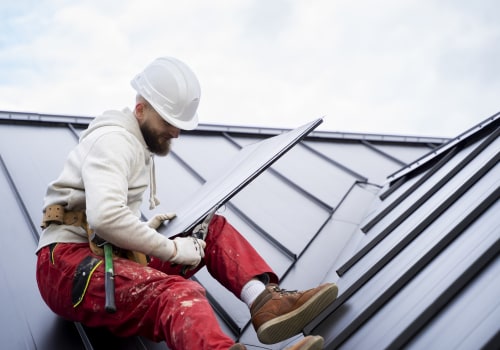
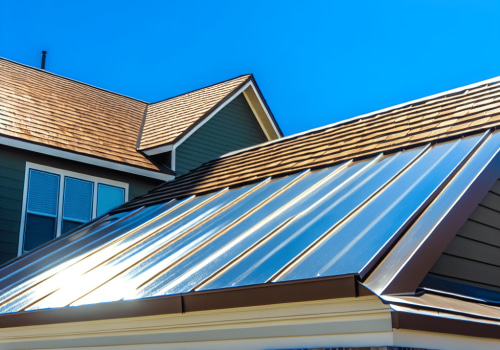
Your roof is one of the most critical components of your home, providing protection against the elements and contributing to your property's overall value. Understanding your roof's lifespan is essential for homeowners, as it can significantly influence when you should consider repairs or even a full replacement. Different roofing materials come with varying lifespans; for instance, asphalt shingles typically last around 20 to 30 years, while metal roofs can endure for 40 to 70 years. This variance means that knowing the age of your roof is crucial in determining its condition and future needs. As roofs age, they become more susceptible to damage from weather conditions, such as heavy rain, snow, and UV exposure.
Signs of wear and tear may not always be immediately visible, but they can manifest in various ways, including missing shingles, leaks, or sagging areas. Regular inspections can help identify these issues early on, allowing you to make informed decisions about whether repairs will suffice or if a complete replacement is necessary. Moreover, understanding the specific characteristics of your roofing material can aid in assessing its condition. For example, while slate roofs are known for their longevity and durability, they may still require maintenance as they age. By staying informed about your roof's lifespan and the signs that indicate its need for attention, you can ensure that your home remains safe and secure for years to come.
Common Signs Your Roof Needs Repair
Identifying the need for roof repair is crucial to maintaining the integrity of your home.Here are some common signs that indicate your roof may require attention:
- Leaks and Water Stains: One of the most obvious indicators of roof damage is the presence of leaks. If you notice water stains on your ceilings or walls, it’s a clear sign that your roof is compromised. Check for any visible signs of moisture in your attic as well.
- Missing or Damaged Shingles: Inspect your roof for any missing shingles or those that are cracked, curled, or otherwise damaged. Shingles are your first line of defence against the elements, and any damage can lead to more significant issues.
- Sagging Roof Deck: A sagging roof is a serious concern and often indicates structural damage.
If you notice any dips or sagging areas, it’s essential to consult a professional immediately.
- Granules in Gutters: If you find an excessive amount of granules from asphalt shingles in your gutters, this could indicate that your shingles are deteriorating. This loss of granules can reduce the effectiveness of your roof.
- Moss and Algae Growth: While some moss can be harmless, excessive growth can trap moisture against your roof, leading to decay. Regularly check for any unusual growths that could signal underlying issues.
When to Consider Roof Replacement
Determining whether your roof needs to be repaired or replaced can be a daunting task, but recognising the signs of roof replacement is crucial for maintaining the integrity of your home.Here are some key indicators that suggest it may be time to consider a full roof replacement:
- Age of the Roof: Most roofs have a lifespan of 20 to 25 years. If your roof is approaching or has exceeded this age, it’s wise to start planning for a replacement.
- Severe Damage: Look for significant damage such as large cracks, missing shingles, or extensive water damage. If more than 30% of your roof is affected, replacement is often more cost-effective than repeated repairs.
- Granule Loss: If you notice excessive granules in your gutters or downspouts, this could indicate that your shingles are deteriorating and may need replacing.
- Visible Sagging: A sagging roof is a serious concern and often indicates structural issues. This is a clear sign that replacement should be considered immediately.
- Moss and Algae Growth: While some moss can be removed, extensive growth can trap moisture and lead to further damage.
If your roof is heavily infested, it may be time for a new one.
The Impact of Weather on Your Roof's Condition
The condition of your roof is significantly influenced by the weather it endures throughout the year.Different seasons bring unique challenges that can lead to either minor repairs or the need for a complete replacement.
Effects of Seasonal Weather
During the winter months, heavy snowfall and ice can accumulate on your roof, leading to potential ice dams. These occur when melting snow refreezes at the eaves, causing water to back up under shingles and potentially leak into your home. Regular inspections after heavy snowfall can help identify these issues early.In spring, heavy rains can expose weaknesses in your roofing materials. Look for signs of leaks or water stains on your ceilings, which may indicate that your roof is not adequately protecting your home.Additionally, strong winds can dislodge shingles or tiles, making it essential to check for any missing or damaged materials.
Storm Damage Considerations
Severe storms can wreak havoc on roofs, especially those made from less durable materials. After a storm, inspect your roof for:- Crumbling shingles or tiles that may need replacing.
- Dents in metal roofing or gutters.
- Visible leaks or water damage inside your home.
Regular Maintenance Tips
To prolong the life of your roof and mitigate weather-related damage, consider implementing a seasonal maintenance routine:- Clear debris: Remove leaves and branches that can trap moisture.
- Inspect flashing: Ensure that the metal flashing around chimneys and vents is intact.
- Check gutters: Clean out gutters to prevent water backup that can lead to leaks.
Conducting a Roof Inspection: DIY vs Professional Help
When it comes to maintaining the integrity of your home, conducting a roof inspection is crucial. Homeowners can either perform a DIY roof check or seek the expertise of professional roofing services. Understanding when to take on the task yourself and when to call in the experts can save you time and money.DIY Roof Check: What to Look For
If you choose to inspect your roof yourself, here are some key areas to focus on:- Shingles: Look for missing, cracked, or curling shingles.
These are signs that your roof may need repair or replacement.
- Flashing: Check the metal flashing around chimneys and vents for rust or damage, as this can lead to leaks.
- Gutters: Ensure gutters are clear of debris. Clogged gutters can cause water to back up and damage your roof.
- Moss and Algae: While some growth is normal, excessive moss or algae can indicate moisture retention, which may harm your roof.
- Interior Signs: Look for water stains on ceilings or walls inside your home, which may indicate a leak in the roof.
When to Call in Professionals
While a DIY inspection can be beneficial, there are situations where it’s best to hire a professional:- If you notice significant damage or multiple issues during your inspection.
- If your roof is steep or high, making it dangerous for you to access safely.
- If you’re unsure about the condition of your roof or lack experience in identifying potential problems.
- If your roof is nearing the end of its lifespan; professionals can provide a comprehensive assessment and recommend whether repair or replacement is necessary.
Cost Considerations: Repair vs Replacement
When it comes to maintaining your home, understanding the cost considerations of roof repairs versus replacement is crucial.Homeowners often face the dilemma of whether to invest in repairing their existing roof or to opt for a complete replacement. Each option comes with its own set of financial implications that should be carefully evaluated.
Roof Repair Costs
- The average cost of roof repairs can range from £200 to £1,500, depending on the extent of the damage and the materials used.
- Minor repairs, such as fixing leaks or replacing a few shingles, are generally less expensive and can prolong the life of your roof.
- However, frequent repairs may indicate underlying issues that could lead to higher costs in the long run.
Roof Replacement Costs
- In contrast, a full roof replacement can cost anywhere from £4,000 to £10,000, depending on the size of your home and the roofing materials chosen.
- While this is a significant investment, a new roof can last 20-30 years, providing long-term peace of mind.
- Additionally, modern roofing materials often come with warranties that can save you money on future repairs.
Budgeting for Roofing Work
When budgeting for roofing work, consider the following:
- Assess Your Current Roof: Determine its age and condition. If it’s nearing the end of its lifespan, replacement may be more cost-effective.
- Get Multiple Quotes: Always obtain quotes from several contractors to ensure you’re getting a fair price.
- Factor in Additional Costs: Don’t forget about potential costs such as permits, disposal fees for old materials, and any necessary structural repairs.
Frequently Asked Questions About Roofing Repairs and Replacements
When it comes to roofing, homeowners often have numerous questions regarding repairs and replacements.Here are some of the most frequently asked questions that can help you understand your roofing needs better.
What are the signs that my roof needs repair?
There are several indicators that your roof may require repair:- Missing or damaged shingles: If you notice shingles that are cracked, curled, or completely missing, it’s a clear sign that your roof needs attention.
- Leaks and water stains: Water stains on your ceiling or walls can indicate a leak in your roof. It’s crucial to address these issues promptly to prevent further damage.
- Granules in gutters: If you find shingle granules in your gutters, it may suggest that your roof is nearing the end of its lifespan.
How often should I have my roof inspected?
It is advisable to have your roof inspected at least once a year, especially after severe weather events. Regular inspections can help identify potential issues before they escalate into costly repairs.Can I perform maintenance on my roof myself?
While some minor maintenance tasks can be done by homeowners, such as clearing debris from gutters, it’s best to leave major repairs and inspections to professionals. They have the expertise and equipment to safely assess and address roofing issues.What is the average lifespan of a roof?
The lifespan of a roof varies depending on the materials used.For instance:
- Asphalt shingles: Typically last 15-30 years.
- Metal roofs: Can last 40-70 years with proper maintenance.
- Tiled roofs: Often last over 50 years.
What should I consider when replacing my roof?
When considering a roof replacement, take into account the following:- Material choice: Different materials offer varying durability and aesthetics.
- Cost: Budget for both materials and labour, as these can vary significantly.
- Local climate: Choose materials that are suitable for your local weather conditions.
Conclusion: Making the Right Decision for Your Roof's Future
In conclusion, determining whether your roof requires repair or replacement is a critical decision that can significantly impact the longevity and safety of your home. Throughout this article, we have explored various indicators that suggest your roof may need attention, including visible damage, age, and the presence of leaks.It is essential to act promptly when you notice signs of deterioration. Delaying necessary repairs can lead to more extensive damage, resulting in higher costs and potential safety hazards. Regular inspections and maintenance are key to prolonging the life of your roof and ensuring it remains in optimal condition.- Assess the Age: If your roof is nearing the end of its expected lifespan, consider a replacement even if it appears to be in good condition.
- Look for Visible Damage: Cracked or missing shingles, sagging areas, and granules in gutters are all signs that your roof may need repair or replacement.
- Monitor for Leaks: Water stains on ceilings or walls indicate that your roof is compromised and should be addressed immediately.
They can help you weigh the pros and cons of repairing versus replacing your roof based on its condition and your budget.By staying informed through reliable roofing news sources and being proactive about maintenance, you can make educated decisions that will safeguard your home for years to come. Remember, a well-maintained roof not only protects your property but also enhances its overall value.