When it comes to enhancing the aesthetic appeal and functionality of a home, roofing styles play a pivotal role. The choice of roofing not only influences the overall look of a residence but also impacts its durability and energy efficiency. With a myriad of options available, understanding the various residential roofing styles can be overwhelming for homeowners. However, this exploration is essential for making informed decisions that align with both personal taste and practical needs. In recent years, the demand for diverse popular roofing designs has surged, driven by trends in architecture and sustainability.
From traditional gable roofs that evoke a sense of classic charm to modern flat roofs that offer sleek lines and contemporary flair, each style brings its unique advantages and challenges. Homeowners are increasingly considering factors such as climate resilience, maintenance requirements, and energy efficiency when selecting their roofing style. This article delves into the most sought-after roofing styles for residential homes, providing insights into their characteristics, benefits, and suitability for different environments. Whether you are building a new home or contemplating a roof renovation, understanding these styles will equip you with the knowledge to make choices that enhance your property’s value and curb appeal.
Traditional Roofing Styles
When it comes to residential roofing, traditional roofing styles have stood the test of time, offering both aesthetic appeal and functional benefits. Among these styles, the gable roof , hip roof , and mansard roof are particularly noteworthy.Gable Roof
The gable roof is one of the most recognisable roofing styles, characterised by its triangular shape formed by two sloping sides that meet at a ridge.This design not only provides excellent drainage but also allows for increased attic space, making it a popular choice for homeowners. Additionally, gable roofs are often associated with traditional architecture, lending a classic charm to any home.
Hip Roof
In contrast, the hip roof features slopes on all four sides, creating a more compact and stable structure. This style is particularly advantageous in areas prone to high winds or heavy snowfall, as its design helps to shed water and snow effectively. The hip roof also offers a more modern aesthetic while still maintaining a traditional feel, making it a versatile option for various architectural styles.Mansard Roof
The mansard roof, with its distinctive double slope on each side, is another classic style that dates back to the French Renaissance.This design maximises living space within the attic, allowing for additional rooms or storage. The elegant lines of a mansard roof can add significant character to a home, making it a favourite among those looking to blend functionality with historical significance.Each of these traditional roofing styles not only enhances the visual appeal of residential homes but also reflects the rich history of architectural design. Homeowners considering a new roof should weigh the benefits of these classic options carefully, as they can significantly impact both aesthetics and property value.
Modern Roofing Designs
In recent years, modern roofing designs have gained significant traction among homeowners looking to blend aesthetics with functionality. These contemporary styles not only enhance the visual appeal of a property but also offer practical benefits such as energy efficiency and sustainability.Flat Roofs
The flat roof is a hallmark of modern architecture, characterised by its minimalistic design and versatility.This style is particularly popular in urban settings where space is at a premium. Flat roofs can be utilised as additional living spaces, such as rooftop gardens or terraces, providing homeowners with an outdoor area that maximises their property’s footprint. Furthermore, flat roofs are often easier to install and maintain compared to traditional pitched roofs.
Shed Roofs
Shed roofs, also known as single-pitched roofs, are another modern option that has gained popularity. This design features a single sloping surface, which not only creates a striking visual impact but also allows for excellent drainage.Shed roofs are commonly used in contemporary homes and can be combined with large windows to enhance natural light and ventilation. Their simple structure makes them cost-effective while still offering a unique aesthetic.
Green Roofs
As sustainability becomes increasingly important, green roofs have emerged as a leading choice for environmentally conscious homeowners. These roofs are covered with vegetation, providing insulation and reducing stormwater runoff. Green roofs contribute to biodiversity by creating habitats for various species and can significantly lower energy costs by regulating indoor temperatures.Additionally, they offer an attractive landscape feature that enhances the overall appeal of the home.In conclusion, modern roofing designs such as flat roofs, shed roofs, and green roofs not only reflect current architectural trends but also address the growing demand for sustainable living solutions. Homeowners looking to invest in their properties should consider these innovative options to enhance both functionality and aesthetic value.
Eco-Friendly Roofing Options
As the demand for sustainable living increases, eco-friendly roofing options are becoming a popular choice among homeowners. These roofing solutions not only contribute to environmental conservation but also offer long-term savings and energy efficiency.One of the most notable trends in sustainable roofing materials is the use of recycled products. For instance, roofs made from recycled rubber or plastic can significantly reduce waste while providing durability and weather resistance.Additionally, materials such as reclaimed wood and metal are gaining traction due to their low environmental impact and aesthetic appeal.
Solar Roofs: Harnessing the Power of the Sun
Solar roofs represent a revolutionary step in eco-friendly roofing. By integrating solar panels directly into the roofing material, homeowners can generate their own electricity, reducing reliance on fossil fuels. This not only lowers energy bills but also contributes to a decrease in carbon emissions. Many modern solar roofs are designed to blend seamlessly with traditional roofing styles, making them an attractive option for those looking to maintain their home's aesthetic.Another advantage of eco-friendly roofing is its potential for improved insulation.Green roofs, which incorporate vegetation, can provide natural insulation, reducing heating and cooling costs. They also help manage stormwater runoff and improve air quality, making them an excellent choice for urban areas.
- Benefits of Eco-Friendly Roofing:
- Reduced environmental impact
- Lower energy costs
- Increased property value
- Enhanced aesthetic appeal
- Popular Eco-Friendly Materials:
- Recycled shingles
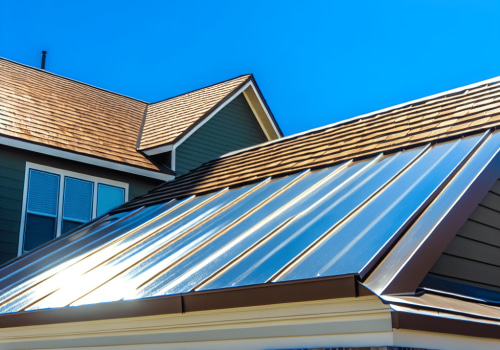
- Metal roofing
- Green roofs
- Solar tiles
Regional Variations in Roofing Styles
When it comes to roofing styles, geographical location plays a crucial role in determining the most suitable options for residential homes. Different regions exhibit unique architectural traditions and climatic conditions that significantly influence roofing choices.Climate Impact on Roofing
- Cold Climates: In areas with heavy snowfall, such as the northern parts of the UK, steeply pitched roofs are common.
This design allows snow to slide off easily, preventing excessive weight and potential structural damage.
- Hot Climates: Conversely, in warmer regions, flat roofs or low-slope designs are prevalent. These styles help to keep homes cooler and are often paired with materials that reflect sunlight.
- Rainy Regions: In places with high rainfall, such as the west coast of Scotland, roofs are typically designed with a steep pitch and durable materials like slate or tiles to ensure effective water drainage.
Local Architecture and Cultural Influences
The architectural heritage of a region also shapes roofing styles. For instance:
- Cottage Styles: In rural areas, traditional thatched roofs are still popular, reflecting the historical building practices of the region.
- Modern Urban Homes: In cities, contemporary designs often feature flat roofs with green spaces or solar panels, aligning with modern sustainability trends.
- Victorian Influences: In towns with Victorian architecture, ornate gables and decorative tiles are common, showcasing the craftsmanship of the era.
Choosing the Right Roofing Style for Your Home
When it comes to choosing the right roofing style for your home, several factors come into play.Understanding these elements can help you make an informed decision that aligns with your needs and preferences.1.Budget Considerations Your budget is often the first consideration when selecting a roofing style. Different materials and designs come with varying costs. For instance, while asphalt shingles are generally more affordable, options like slate or tile roofs can be significantly more expensive. It's essential to balance your desired aesthetic with what you can realistically afford.2.Aesthetic Appeal The visual impact of your roof can greatly influence the overall look of your home.
Consider the architectural style of your residence; a gabled roof may suit a traditional home, while a flat roof might be more appropriate for modern designs. Additionally, colour and texture play crucial roles in achieving the desired aesthetic.3.Climate and Weather Conditions Your local climate is another critical factor in roofing selection. For example, homes in areas prone to heavy snowfall may benefit from a steeply pitched roof to prevent snow accumulation, while those in warmer climates might opt for materials that reflect heat, such as metal roofing.4.Longevity and Maintenance For instance, metal roofs can last up to 50 years with minimal maintenance, making them a practical choice for many homeowners.5.Local Building Codes and Regulations Common materials include:What are the most common roofing styles?
The most popular roofing styles for residential homes include:How do I choose the right roofing style for my home?
Selecting the right roofing style depends on several factors:What materials are commonly used for different roofing styles?
The choice of materials can significantly affect the longevity and appearance of your roof.
If you have more specific inquiries about roofing styles or need advice tailored to your home, consulting with a professional roofer can provide valuable insights.Conclusion: Key Takeaways on Roofing Styles
In conclusion, selecting the right roofing style is crucial for both aesthetic appeal and functional performance. Each roofing style offers unique benefits and can significantly influence the overall look and feel of your home. Here are some key takeaways to consider:
Ultimately, the right roofing style not only enhances your home's curb appeal but also contributes to its longevity and energy efficiency. As you explore your options, consider how each style aligns with your personal taste, budget, and the specific needs of your home.
For more insights on roofing news and trends, stay engaged with our upcoming articles that delve deeper into the world of residential roofing.