Tile roofs are a popular choice for homeowners seeking durability and aesthetic appeal. Composed of materials such as clay, concrete, or slate, these roofs offer a unique blend of strength and style. The benefits of tile roofs extend beyond their visual charm; they are known for their longevity, resistance to harsh weather conditions, and energy efficiency. With proper maintenance, a tile roof can last for over 50 years, making it a wise investment for any property. There are several types of tile roofs, each with its own characteristics and advantages.
Clay tiles, for instance, are renowned for their natural beauty and ability to withstand extreme temperatures. Concrete tiles provide a more affordable option while still offering excellent durability. Slate tiles, on the other hand, are prized for their elegance and longevity but come at a higher price point. Understanding these variations is crucial for homeowners looking to choose the right roofing material that aligns with their needs and preferences. As we delve deeper into the topic of tile roofs, it becomes evident that regular maintenance is essential to preserve their integrity and appearance.
Neglecting this aspect can lead to costly repairs and diminished property value. In the following sections, we will explore practical tips for maintaining a tile roof, ensuring it remains a stunning and functional feature of your home.
Regular Inspections: The Key to Longevity
Regular inspections are crucial for maintaining the integrity and longevity of your tile roof. By identifying potential issues early, you can prevent costly repairs and extend the lifespan of your roofing system. But how do you effectively inspect a tile roof?How to Inspect a Tile Roof
- Start by examining the roof from the ground using binoculars.
Look for any visible signs of damage, such as cracked or missing tiles.
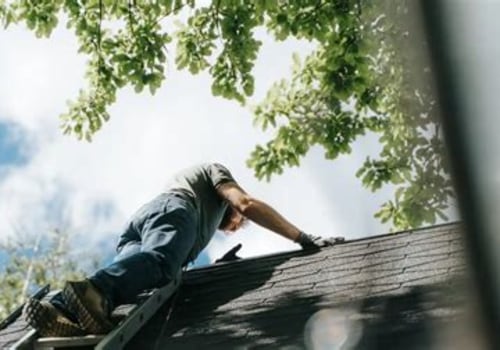
- If safe to do so, use a sturdy ladder to get a closer look. Check for loose tiles and ensure that all tiles are properly aligned.
- Inspect the flashing around chimneys, vents, and valleys for any signs of rust or deterioration.
- Look for moss or algae growth, which can indicate moisture retention and potential underlying issues.
- Check the gutters and downspouts for debris that could lead to water pooling on the roof.
Signs of Damage on Tile Roofs
- Cracked or Broken Tiles: These can allow water to seep through, leading to leaks.
- Missing Tiles: Gaps in your roof can expose it to the elements, increasing the risk of damage.
- Discolouration: Stains or dark patches may indicate water damage or mould growth.
- Loose Flashing: This can compromise the waterproofing around critical areas of your roof.
Frequency of Roof Inspections
It is recommended to conduct a thorough inspection of your tile roof at least twice a year—ideally in spring and autumn. Additionally, after severe weather events such as storms or heavy snowfall, an immediate inspection is advisable. Regular maintenance not only helps in identifying issues early but also ensures that your roof remains in optimal condition, safeguarding your home against leaks and structural damage.
Cleaning Your Tile Roof: Best Practices
Maintaining the appearance and functionality of your tile roof is essential for its longevity.Regular cleaning not only enhances its aesthetic appeal but also prevents the buildup of harmful debris that can lead to more significant issues. Here are some best practices for cleaning your tile roof effectively.
Effective Cleaning Methods
- Soft Washing: This method involves using a low-pressure water spray combined with a cleaning solution specifically designed for roofs. It effectively removes dirt, algae, and moss without damaging the tiles.
- Pressure Washing: While effective, this method should be used with caution. High pressure can dislodge tiles or cause cracks.
If you choose this method, ensure you use a wide-angle nozzle and keep the pressure low.
- Manual Scrubbing: For stubborn stains or areas with heavy moss growth, a soft-bristle brush can be used. This method allows for targeted cleaning without risking damage to the tiles.
Recommended Products
When selecting cleaning products, opt for those that are biodegradable and specifically formulated for tile roofs. Avoid harsh chemicals that can erode the tiles or harm surrounding vegetation. Some popular options include:- Algae and Moss Removers: These products help eliminate growth that can trap moisture and lead to deterioration.
- Roof Cleaners: Look for non-toxic cleaners that are safe for both your roof and the environment.
Roof Cleaning Safety Tips
Your safety is paramount when cleaning your tile roof.Here are some essential tips to keep in mind:
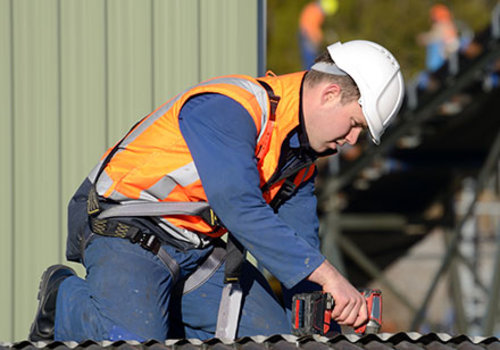
- Use Proper Equipment: Always wear non-slip shoes and use a sturdy ladder. Consider using a harness if working on steep pitches.
- Check Weather Conditions: Avoid cleaning during wet or windy conditions to reduce the risk of slips and falls.
- Work in Sections: Clean one section at a time to maintain balance and control while on the roof.
Repairing Damaged Tiles: When and How
Maintaining the integrity of your tile roof is crucial for its longevity and performance.Identifying damaged tiles
early can prevent more extensive repairs down the line. Look for signs such as cracked, chipped, or missing tiles, as well as any areas where water may be pooling.Regular inspections, especially after severe weather, can help you catch these issues promptly.When it comes to repairing a tile roof, the first step is to assess the extent of the damage. If you find a few broken tiles, you may be able to handle the repairs yourself. Here’s a simple guide:
- Gather your materials: You will need replacement tiles, a hammer, a chisel, and roofing adhesive.
- Remove the damaged tile: Carefully lift the surrounding tiles and use a chisel to break the adhesive holding the damaged tile in place.
- Install the new tile: Apply adhesive to the back of the new tile and position it in place. Ensure it aligns with adjacent tiles.
- Secure the tile: Press down firmly and replace any surrounding tiles that were lifted during removal.
Replacing broken tiles can be straightforward, but if your roof has underlying problems such as leaks or rot, a professional will have the expertise to address these concerns effectively.
DIY vs professional repairs
: While minor repairs can often be tackled by homeowners with some basic tools and skills, significant damage or safety concerns should always be handled by professionals. They can provide a thorough inspection and ensure that all repairs meet local building codes.In summary, keeping an eye on your tile roof's condition and knowing when to act can save you time and money in the long run. Whether you choose to repair minor damages yourself or call in an expert for more serious issues, maintaining your roof is essential for protecting your home.Preventing Moss and Algae Growth
Moss and algae growth on tile roofs can lead to significant issues, including water retention, which may cause tiles to crack or become dislodged. These organisms thrive in damp, shaded areas, making it essential to implement effective prevention strategies.Preventing Moss and Algae Growth
- Regular Inspections: Conduct routine inspections of your roof, especially in shaded areas where moisture accumulates.
Look for early signs of moss or algae and address them promptly.
- Trim Overhanging Branches: Keep trees trimmed to allow sunlight to reach your roof. Sunlight helps to dry out moisture and inhibits the growth of moss and algae.
- Improve Roof Ventilation: Ensure that your roof has adequate ventilation. Proper airflow reduces humidity levels, making it less conducive for moss and algae to thrive.
- Install Zinc or Copper Strips: Consider installing zinc or copper strips along the ridge of your roof. When it rains, these metals release ions that inhibit the growth of moss and algae.
Treatments for Existing Growth
- Use a Moss Killer: Apply a moss killer specifically designed for roofs.
Look for products containing potassium salts of fatty acids or sodium hypochlorite, which are effective in eliminating moss.
- Pressure Washing: For stubborn growth, a gentle pressure wash can remove moss without damaging the tiles. However, be cautious as excessive pressure can harm the roof.
- Bleach Solution: A diluted bleach solution can be used to treat algae. Mix one part bleach with three parts water and apply it carefully, ensuring it does not run off into your garden.
The Role of Gutters in Roof Maintenance
When it comes to maintaining a tile roof, the role of gutters cannot be overstated. Properly functioning gutters are essential for effective drainage, which directly impacts the longevity and health of your roofing system.Importance of Gutters in Roofing
Gutters serve as the first line of defence against water damage.
They collect rainwater that runs off the roof and direct it away from the foundation of your home. Without well-maintained gutters, water can pool around the base of your property, leading to potential structural issues and compromising the integrity of your tile roof.
How Gutters Affect Roof Lifespan
Clogged or damaged gutters can cause water to overflow, which may lead to moisture accumulation on the roof itself. This excess moisture can weaken the tiles, promote mould growth, and even lead to leaks. Over time, these issues can significantly shorten the lifespan of your roof.
Gutter Maintenance for Tile Roofs
- Regular Cleaning: Ensure that gutters are cleared of leaves, debris, and other blockages at least twice a year.
This will help maintain proper water flow and prevent overflow.
- Inspect for Damage: Regularly check for cracks or rust in your gutters. Any damage should be repaired promptly to avoid further complications.
- Check Downspouts: Ensure that downspouts are directing water away from the foundation. If they are not functioning correctly, it can lead to pooling around your home.
- Consider Gutter Guards: Installing gutter guards can help reduce the frequency of cleaning by preventing debris from entering the system.
Seasonal Maintenance Tips for Tile Roofs
Maintaining a tile roof requires attention to seasonal changes, ensuring that your roof remains in optimal condition throughout the year.Here are some essential seasonal maintenance tips tailored for tile roofs:
Winter Preparation for Tile Roofs
- Inspect for Damage: Before winter sets in, conduct a thorough inspection of your roof. Look for cracked or broken tiles that could lead to leaks during heavy rain or snow.
- Clear Debris: Remove leaves, branches, and other debris from the roof and gutters. This prevents water accumulation and ice dam formation, which can cause significant damage.
- Check Insulation: Ensure that your attic is properly insulated. Good insulation helps maintain a consistent temperature, reducing the risk of ice forming on the roof.
Summer Care for Roofs
- Regular Cleaning: In the summer months, dirt and algae can accumulate on tile roofs.
Regularly clean your roof using a soft brush and a mixture of water and mild detergent to prevent staining.
- Inspect for Overhanging Branches: Trim any overhanging branches that could drop debris onto your roof or cause damage during storms.
- Check for Cracks: Summer heat can cause tiles to expand and crack. Regularly inspect your tiles for any signs of wear and replace them as necessary.
FAQs About Tile Roof Maintenance
Maintaining a tile roof is essential for ensuring its longevity and performance. Here are some frequently asked questions regarding tile roof maintenance:What are the common signs that my tile roof needs maintenance?
Look out for the following signs:- Cracked or broken tiles: These can lead to leaks if not addressed promptly.
- Missing tiles: Ensure all tiles are intact; missing ones can expose your roof to water damage.
- Granule loss: If you notice granules in your gutters, it may indicate that your tiles are deteriorating.
- Moss or algae growth: This can trap moisture and lead to further damage.
How often should I inspect my tile roof?
It is advisable to inspect your tile roof at least twice a year, ideally in spring and autumn.Additionally, after severe weather events, a thorough inspection is crucial to identify any potential damage.
Can I clean my tile roof myself?
While it is possible to clean your tile roof yourself, it is recommended to hire professionals for a thorough job. They have the right equipment and expertise to avoid damaging the tiles. If you choose to do it yourself, use a soft-bristle brush and avoid high-pressure washing, which can dislodge tiles.What should I do if I find damaged tiles?
If you discover damaged tiles, it’s important to replace them as soon as possible. You can either do this yourself if you’re comfortable with DIY tasks or hire a roofing professional.Ensure that replacement tiles match the existing ones in style and colour for a uniform appearance.
Is regular maintenance worth the investment?
Absolutely!
Regular maintenance can extend the life of your tile roof significantly, saving you money on costly repairs or premature replacement. Investing in routine inspections and maintenance ensures that small issues are addressed before they escalate into major problems.By following these tips and addressing common concerns, you can keep your tile roof in excellent condition for years to come.
Conclusion: Keeping Your Tile Roof in Top Condition
In conclusion, maintaining your tile roof is essential for ensuring its longevity and performance. Regular upkeep not only enhances the aesthetic appeal of your home but also protects it from potential damage caused by neglect. Here are some key takeaways to keep in mind:- Regular Inspections: Schedule inspections at least twice a year, ideally in spring and autumn, to identify any issues early on.
- Clean Gutters and Valleys: Ensure that gutters and roof valleys are free from debris to prevent water accumulation, which can lead to leaks and structural damage.
- Address Repairs Promptly: If you notice cracked or missing tiles, address these repairs immediately to avoid further complications.
- Professional Maintenance: Consider hiring a professional roofing contractor for thorough inspections and maintenance tasks that require expertise.
Remember, proactive care is key; neglecting minor issues can lead to costly repairs down the line. Stay informed with Roofing News to keep up with the latest tips and trends in roof maintenance, ensuring your home remains safe and stylish for years to come.