Your roof is more than just a structural element of your home; it serves as the first line of defence against the elements, safeguarding your family and belongings from rain, wind, snow, and sun. A well-maintained roof not only enhances the aesthetic appeal of your property but also plays a crucial role in maintaining its overall value. Neglecting the condition of your roof can lead to significant issues, including water damage, mould growth, and even structural instability, which can be costly to rectify.Regular roof maintenance is essential to prolonging the lifespan of your roofing system. Homeowners often overlook minor issues until they escalate into major problems that require extensive repairs or even a complete roof replacement.
Staying informed about roofing news and advancements in materials and techniques can empower you to make better decisions regarding your roof's upkeep. Understanding when to repair versus when to replace is vital for ensuring that your home remains safe and secure.In this article, we will explore the signs that indicate it may be time to replace your roof rather than simply repairing it. By recognising these indicators early on, you can avoid the pitfalls of deferred maintenance and ensure that your home remains protected for years to come.
Signs That Indicate a Roof Replacement is Necessary
Determining whether to repair or replace your roof can be a daunting task, but recognising the signs of roof damage is crucial in making an informed decision. Here are some key indicators that suggest a roof replacement is necessary:- Age of the Roof: Most roofs have a lifespan of 20 to 25 years.
If your roof is approaching or has exceeded this age, it may be time to consider a replacement, even if it appears to be in decent condition.
- Visible Damage: Look for missing, cracked, or curling shingles. These are clear signs that your roof is deteriorating. Additionally, if you notice granules from shingles accumulating in your gutters, this indicates significant wear.
- Leaks and Water Damage: Frequent leaks or water stains on your ceilings and walls are strong indicators that your roof is failing. If repairs are becoming a regular occurrence, it may be more cost-effective to replace the entire roof.
- Mould and Mildew: The presence of mould or mildew in your attic or on your ceilings can signal that moisture is trapped due to a failing roof.
This not only affects the integrity of your home but also poses health risks.
- Structural Issues: Sagging areas on your roof or visible signs of structural damage can indicate serious problems. If the structure is compromised, a full replacement is often necessary to ensure safety.
The Cost-Benefit Analysis: Repair vs. Replace
When faced with the decision of whether to repair or replace your roof, conducting a thorough cost-benefit analysis is essential.Understanding the financial implications can help homeowners make informed choices that align with their budget and long-term plans.
Roof Repair Costs
- The average cost of roof repairs can vary significantly based on the extent of the damage and the materials used. Minor repairs may range from £200 to £1,000, while more extensive work could reach £2,500 or more.
- Consider the frequency of repairs; if you find yourself calling a contractor multiple times a year, it may indicate that your roof is nearing the end of its lifespan.
- Additionally, keep in mind that frequent repairs can add up over time, potentially surpassing the cost of a full replacement.
Roof Replacement Costs
- The cost of replacing a roof typically ranges from £4,000 to £10,000, depending on factors such as size, material, and labour.
- A new roof can enhance your home’s value and energy efficiency, making it a worthwhile investment in the long run.
- Moreover, many roofing materials come with warranties that can last 20 years or more, providing peace of mind against future expenses.
Making an Informed Decision
To determine whether to repair or replace your roof, consider the following:
- Age of the Roof: If your roof is over 20 years old, replacement may be more cost-effective than ongoing repairs.
- Extent of Damage: Assess whether the damage is localized or widespread. Widespread issues often warrant a full replacement.
- Future Plans: If you plan to stay in your home for many years, investing in a new roof could save you money and stress in the long run.
Common Roofing Materials and Their Lifespans
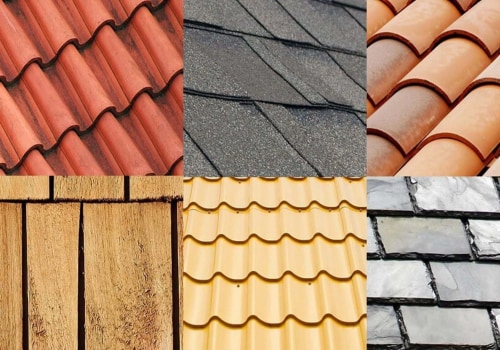
When considering whether to repair or replace your roof, understanding the lifespan of various roofing materials is crucial.Different materials offer distinct advantages and longevity, which can significantly influence your decision.Asphalt Shingles are among the most common roofing materials, typically lasting between 15 to 30 years. Their affordability and ease of installation make them a popular choice, but they may require more frequent repairs as they age.Metal Roofing , on the other hand, boasts a lifespan of 40 to 70 years. This material is highly durable and resistant to extreme weather conditions, making it an excellent long-term investment. However, if you notice rust or significant dents, it may be time to consider replacement.Clay and Concrete Tiles can last over 50 years, providing a robust option for homeowners.
While they are more expensive upfront, their longevity often justifies the cost. Cracked tiles can often be replaced individually, but extensive damage may indicate a need for a full roof replacement.Wood Shingles and Shakes generally last around 20 to 25 years. They offer aesthetic appeal but are susceptible to rot and insect damage. If you find extensive decay or warping, it might be more cost-effective to replace rather than repair.Slate Roofing is one of the most durable options available, with lifespans exceeding 100 years.
While repairs can be costly due to the material's weight and fragility, the long-term benefits often outweigh these concerns. In summary, understanding the lifespan of roofing materials not only helps in making informed decisions about repairs or replacements but also keeps you updated with the latest roofing news. Regular inspections and maintenance can extend the life of your roof, but knowing when to replace it is essential for protecting your home.
The Role of Professional Inspections in Decision Making
When it comes to determining whether to repair or replace your roof, professional inspections play a crucial role. A qualified roofing expert can provide an in-depth assessment of your roof's condition, identifying issues that may not be visible to the untrained eye. This is particularly important as roofs can develop problems over time due to weather exposure, age, and material degradation.Importance of Roof Inspections
- Early Detection: Regular inspections can help catch minor issues before they escalate into major problems, potentially saving you significant costs in the long run.
- Expertise: Professional roofers have the experience and knowledge to evaluate the structural integrity of your roof accurately.
They can identify signs of wear, such as missing shingles, leaks, or sagging.
- Safety: Climbing onto a roof can be dangerous. Professionals are trained to navigate these risks safely while conducting thorough inspections.
Recommendations for Repair or Replacement
After a comprehensive inspection, roofing professionals will offer recommendations based on their findings. If repairs are feasible, they will outline what needs to be done and the associated costs.
However, if the damage is extensive or if the roof is nearing the end of its lifespan, they may suggest a full replacement. This guidance is vital for making informed decisions that align with your budget and long-term home maintenance plans.Staying updated with roofing news can also enhance your understanding of when to seek professional help. New materials and technologies are constantly emerging in the roofing industry, which may influence your decision on whether to repair or replace your roof.In conclusion, investing in a professional roof inspection is an essential step in maintaining the integrity of your home. It not only helps you understand the current state of your roof but also equips you with the knowledge needed to make informed decisions about repairs or replacements.
Frequently Asked Questions About Roof Replacement
When considering a roof replacement, homeowners often have numerous questions.Here are some of the most frequently asked questions regarding roof replacement that can help clarify the process and what to expect.
- How do I know if I need a roof replacement? If your roof is over 20 years old, shows signs of significant wear such as curling or missing shingles, or has leaks that persist despite repairs, it may be time for a replacement.
- What are the signs that my roof is failing? Look for water stains on ceilings or walls, sagging areas on the roof, and granules from shingles in gutters. These are indicators that your roof may not be performing effectively.
- Can I replace my roof myself? While DIY projects can be rewarding, roofing is complex and requires specific skills and safety measures. It’s often best to hire a professional to ensure the job is done correctly.
- How long does a roof replacement take? The duration of a roof replacement can vary based on the size of your home and the materials used, but typically it takes between one to three days.
- What should I consider when choosing roofing materials? Consider factors such as durability, cost, energy efficiency, and aesthetic appeal. Popular options include asphalt shingles, metal roofing, and slate.
New technologies and materials are constantly emerging, which can enhance the longevity and performance of your roofing system. Always consult with a qualified roofing contractor to discuss your specific needs and options.If you have more questions about your specific situation or need advice tailored to your home, don’t hesitate to reach out to local roofing professionals who can provide expert guidance.
Conclusion: Making the Right Choice for Your Home
In conclusion, determining whether to replace or repair your roof is a critical decision that can significantly impact the longevity and safety of your home. Throughout this article, we have explored various factors that should guide your choice, including the age of your roof, the extent of damage, and the overall condition of the roofing materials.When assessing your roof, consider the following key points:- Age of the Roof: If your roof is nearing the end of its expected lifespan, replacement may be more cost-effective in the long run.
- Extent of Damage: Minor leaks and localized damage can often be repaired, but widespread issues may indicate a need for a full replacement.
- Energy Efficiency: An old roof may not provide adequate insulation, leading to higher energy bills. A new roof can improve energy efficiency.
- Future Maintenance: Frequent repairs can add up over time.
If you find yourself constantly fixing your roof, it might be time to invest in a new one.