When it comes to roofing, many homeowners and even industry professionals often fall prey to a variety of misconceptions. These roofing myths can lead to poor decision-making, unnecessary expenses, and even safety hazards. Understanding the truth behind these misconceptions is crucial for anyone involved in roofing, whether you are a homeowner looking to maintain your property or a professional aiming to provide accurate advice. One common myth is that all roofing materials are created equal. In reality, different materials offer varying levels of durability, insulation, and aesthetic appeal.
For instance, while asphalt shingles may be the most popular choice due to their affordability, they do not always provide the same longevity or energy efficiency as metal or slate roofs. This is where staying updated with the latest roofing news becomes essential, as advancements in materials and techniques can significantly impact your choices. Another prevalent misconception is that a new roof can be installed over an old one without any issues. While this may seem like a cost-effective solution, it can lead to complications such as trapped moisture and inadequate ventilation. By debunking these myths and understanding the realities of roofing, homeowners can make informed decisions that enhance the longevity and safety of their homes.
Myth 1: All Roofs Are the Same
One of the most prevalent misconceptions in the world of roofing is that all roofs are fundamentally the same.In reality, roofs come in a variety of types and materials, each with its own unique characteristics, advantages, and maintenance requirements.
Types of Roofs
- Flat Roofs: Commonly found in commercial buildings, flat roofs are designed to be level or nearly level. They require specific materials like EPDM or TPO to ensure proper drainage and prevent water pooling.
- Pitched Roofs: These roofs have a slope that allows for effective water runoff. They can be covered with materials such as tiles, slates, or shingles, each offering different aesthetic and functional benefits.
- Gable Roofs: Characterised by their triangular shape, gable roofs are popular for residential homes. They provide excellent ventilation and are less prone to wind damage.
- Hip Roofs: With slopes on all four sides, hip roofs are stable and can withstand harsh weather conditions better than gable roofs.
Roofing Materials
The choice of roofing material significantly impacts the roof's longevity and maintenance needs.
Here are some common materials:
- Asphalt Shingles: Affordable and easy to install, asphalt shingles are widely used but may require replacement every 15-30 years.
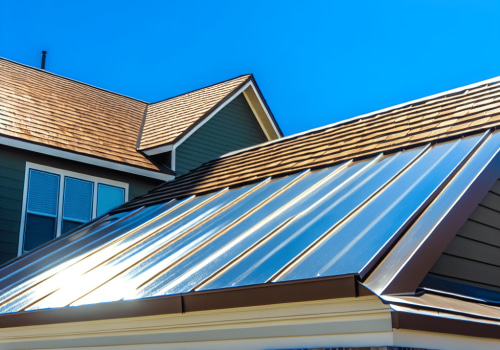
- Metal Roofing: Known for its durability and energy efficiency, metal roofing can last 50 years or more but may be more expensive upfront.
- Clay and Concrete Tiles: These materials offer a long lifespan and excellent insulation but can be heavy and require a strong roof structure.
- Wood Shakes: Providing a natural aesthetic, wood shakes can last up to 30 years but require regular maintenance to prevent rot and insect damage.
Myth 2: Roofing Is a DIY Job
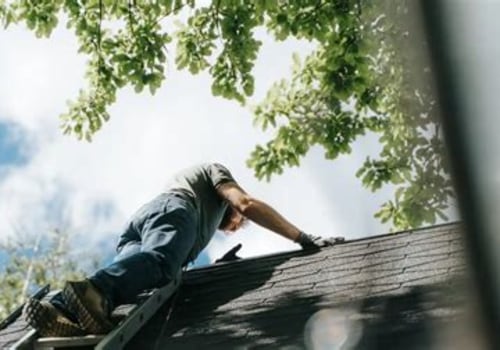
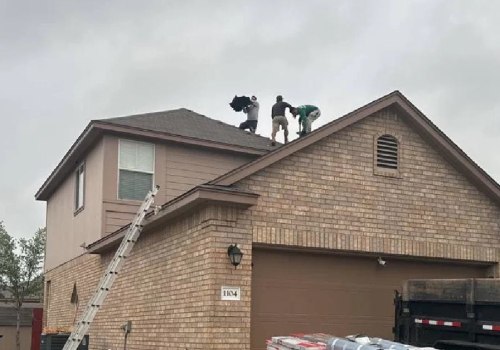
One of the most prevalent misconceptions about roofing is the belief that it is a DIY job. While the idea of tackling a roofing project yourself may seem appealing, especially for those who enjoy home improvement tasks, the reality is far more complex and fraught with risks.Roofing involves not only physical labour but also a deep understanding of materials, structural integrity, and safety protocols. Here are some key reasons why opting for professional roofing services is often the wiser choice:- Safety Risks: Working at heights poses significant dangers.
Falls are one of the leading causes of injury in construction. Professionals are trained to handle these risks and use appropriate safety gear to protect themselves.
- Quality of Work: Experienced roofers have the skills and knowledge to ensure that the job is done correctly. Poor installation can lead to leaks, structural damage, and costly repairs down the line.
- Time Efficiency: A professional team can complete roofing projects much faster than an inexperienced DIYer. This efficiency not only saves time but also minimises disruption to your daily life.
- Access to Quality Materials: Professionals often have access to high-quality materials at better prices than what a homeowner might find at a local hardware store.
This can lead to a more durable and long-lasting roof.
- Warranty and Insurance: Many professional roofing services offer warranties on their work, providing peace of mind. Additionally, they carry insurance that protects you from liability in case of accidents during the project.
Myth 3: Roofs Don't Need Maintenance
One of the most prevalent misconceptions about roofing is that once a roof is installed, it requires little to no maintenance.This belief can lead to significant issues down the line, as neglecting regular roof maintenance can shorten the lifespan of your roof and result in costly repairs.
The Importance of Regular Inspections
Regular roof inspections are crucial for identifying potential problems before they escalate. During these inspections, professionals can spot issues such as:
- Missing or damaged shingles
- Leaks or water damage
- Debris accumulation
- Signs of wear and tear on flashing
Routine Maintenance Tasks
In addition to inspections, there are several routine maintenance tasks that homeowners should consider:
- Cleaning Gutters: Keeping gutters clear of debris ensures proper drainage and prevents water from pooling on the roof.
- Removing Debris: Regularly clearing leaves, branches, and other debris from the roof surface helps prevent moisture retention and mould growth.
- Checking for Algae or Moss: These can trap moisture and lead to deterioration; treating them promptly is essential.
- Inspecting Flashing: Ensuring that flashing around chimneys, vents, and skylights is intact prevents leaks.
The Long-Term Benefits of Roofing Care
Investing time and resources into regular roof maintenance not only extends the life of your roof but also enhances your home’s overall value. A well-maintained roof can improve energy efficiency, reduce the risk of leaks, and provide peace of mind for homeowners. In conclusion, dispelling the myth that roofs don’t need maintenance is vital for ensuring the longevity and functionality of this critical component of your home.
Myth 4: A New Roof Will Solve All Problems
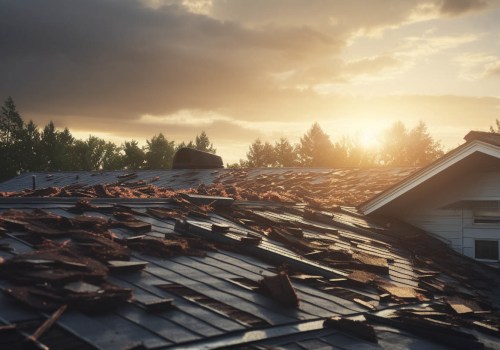
One of the most prevalent misconceptions in the realm of roofing is the belief that installing a new roof will automatically resolve all existing issues.While a new roof can certainly enhance the overall integrity and appearance of your home, it is not a panacea for every roofing problem.Many homeowners may overlook underlying issues that could persist even after a new roof installation. For instance, if there are problems with roof ventilation, inadequate insulation, or structural damage to the underlying framework, simply replacing the roof will not address these critical concerns. In fact, these issues can lead to further complications, such as moisture build-up and mould growth, which can compromise the new roofing material.
Understanding the Benefits of a New Roof
A new roof does offer numerous benefits, including improved energy efficiency, enhanced curb appeal, and increased property value. However, it is essential to conduct a thorough assessment of your current roofing situation before proceeding with replacement.This includes:
- Inspecting for leaks: Identifying any existing leaks or water damage is crucial.
- Evaluating insulation: Proper insulation can prevent heat loss and improve energy efficiency.
- Checking for structural integrity: Ensuring that the roof deck and supporting structures are sound is vital.
Myth 5: Roofs Are Only Important for Aesthetics
One of the most prevalent misconceptions about roofing is that it serves primarily an aesthetic purpose.While it is true that roofs contribute significantly to the overall appearance of a building, their functionality is far more critical and multifaceted.
Roof Functionality
- Insulation: A well-constructed roof plays a vital role in maintaining the internal temperature of a home. Quality roofing materials can provide excellent insulation, reducing the need for excessive heating in winter and cooling in summer.
- Energy Efficiency: Modern roofing systems are designed with energy efficiency in mind. Reflective materials can help reduce heat absorption, leading to lower energy bills and a smaller carbon footprint.
- Structural Integrity: The roof is a critical component of a building's structural integrity. It protects against environmental elements such as rain, snow, and wind, ensuring that the rest of the structure remains safe and sound.
They are designed to channel rainwater away from the building, preventing leaks and water damage. A roof that is not properly maintained can lead to serious issues such as mould growth, rot, and even structural failure.In addition to these functional aspects, roofs also contribute to fire safety. Certain roofing materials are more fire-resistant than others, which can be crucial in areas prone to wildfires or other fire hazards.In conclusion, while aesthetics are undoubtedly important when considering roofing options, it is essential to recognise that roofs serve numerous functional purposes that are critical for the safety, efficiency, and longevity of a building. Understanding this balance between aesthetics and functionality is key for homeowners looking to make informed decisions about their roofing needs.
Myth 6: All Roofing Companies Are the Same
One of the most prevalent misconceptions in the roofing industry is that all roofing companies offer the same level of service and quality.In reality, there are significant differences between contractors that can greatly affect the outcome of your roofing project.When choosing a roofing contractor, it’s essential to consider several factors that distinguish reputable companies from the rest:
- Experience and Expertise: Not all roofing companies have the same level of experience. Look for contractors who have been in business for several years and have a proven track record of successful projects.
- Specialisation: Some companies may specialise in specific types of roofing materials or styles. Ensure that the contractor you choose has expertise in the type of roofing you require.
- Licensing and Insurance: A reputable roofing company should be fully licensed and insured. This protects you from liability in case of accidents or damage during the project.
- Customer Reviews and References: Always check online reviews and ask for references.
A company with a solid reputation will have positive feedback from previous clients.
- Warranty and Aftercare: Quality roofing services often come with warranties on both materials and workmanship. Ensure that your contractor offers a comprehensive warranty to safeguard your investment.
Frequently Asked Questions About Roofing Misconceptions
When it comes to roofing, there are numerous misconceptions that can lead to confusion and poor decision-making.Here are some frequently asked questions that help clarify these misunderstandings:
- Is a new roof always necessary after a storm? Many homeowners believe that any storm damage requires a complete roof replacement. However, this is not always the case. A thorough inspection by a qualified roofing professional can determine if repairs are sufficient.
- Do all roofing materials have the same lifespan? This is a common myth. Different materials, such as asphalt shingles, metal, and tile, have varying lifespans.
For instance, while asphalt shingles may last 20-30 years, metal roofs can last 50 years or more with proper maintenance.
- Can I install a new roof over an old one? While it is possible to install a new roof over an existing one, it is not always advisable. This practice can lead to complications such as trapped moisture and increased weight on the structure. A professional assessment is crucial before making this decision.
- Are all roofing contractors equally qualified? Not all contractors have the same level of expertise or credentials. It’s essential to research and choose a reputable contractor who is licensed, insured, and has positive reviews from previous clients.
Always seek advice from professionals in the field to ensure you receive accurate information tailored to your specific situation.
Conclusion: Understanding Roofing Myths for Better Decisions
In conclusion, understanding the various misconceptions about roofing is crucial for homeowners and property managers alike. By debunking these myths, individuals can make more informed decisions regarding their roofing needs, ultimately leading to better outcomes and cost savings.Throughout this article, we have explored several common myths, such as the belief that all roofing materials are created equal or that a roof can be installed without professional help. These misconceptions can lead to poor choices that may compromise the integrity of a roof and result in costly repairs down the line.Moreover, it is essential to recognise that roofing news is constantly evolving. New materials and technologies are emerging, which can significantly impact the longevity and efficiency of roofing systems.Staying updated with the latest information allows homeowners to choose the best options available.To summarise:
- Myth 1: All roofing materials are the same. In reality, different materials offer varying levels of durability and insulation.
- Myth 2: DIY roofing is a viable option. Professional installation ensures safety and compliance with local regulations.
- Myth 3: Roof maintenance is unnecessary. Regular inspections can prevent minor issues from escalating into major problems.
Always consult with qualified professionals and stay informed through reliable roofing news sources to ensure that your decisions are based on accurate information.