Over the past decade, the roofing industry has undergone significant transformations, driven by advancements in technology, changing consumer preferences, and evolving environmental standards. As homeowners and industry professionals alike seek to stay informed, understanding these shifts is crucial for making educated decisions regarding roofing solutions. The landscape of roofing news has become increasingly dynamic, reflecting a broader trend towards sustainability and innovation. One of the most notable changes has been the rise of eco-friendly materials and practices. With growing awareness of climate change and its impacts, many roofing companies have embraced sustainable options such as solar panels, green roofs, and recycled materials.
This shift not only benefits the environment but also offers homeowners long-term savings on energy costs. Furthermore, advancements in roofing technology have led to improved durability and efficiency, ensuring that roofs can withstand harsher weather conditions while requiring less maintenance. Additionally, the digital revolution has transformed how roofing businesses operate and communicate with customers. The proliferation of online platforms has made it easier for homeowners to access roofing news, compare services, and read reviews. This increased transparency empowers consumers to make informed choices while pushing contractors to maintain high standards of quality and service.
As we delve deeper into the evolution of the roofing industry, it becomes evident that these changes are not merely trends but rather a reflection of a more informed and environmentally conscious society.
Technological Advancements in Roofing
Over the past decade, the roofing industry has witnessed remarkable technological advancements that have significantly transformed both materials and installation processes. These innovations not only enhance the durability and efficiency of roofs but also contribute to sustainability and energy savings.Innovations in Roofing Materials
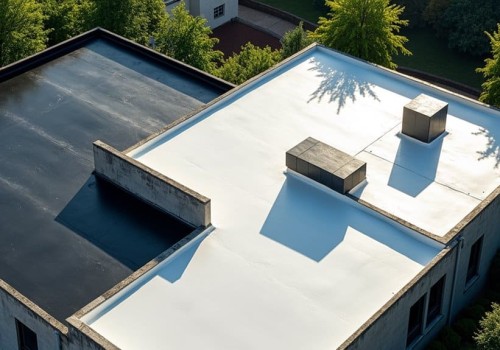
- Cool Roofing: This technology involves materials that reflect more sunlight and absorb less heat, helping to reduce energy costs and improve indoor comfort.
- Solar Roofing: The integration of solar panels into roofing systems has become increasingly popular. Products like solar shingles allow homeowners to generate electricity while maintaining aesthetic appeal.
- Advanced Insulation: New insulation materials, such as spray foam and reflective barriers, provide better thermal performance, reducing heating and cooling costs.
Smart Roofing Solutions
- Smart Sensors: Modern roofs can now be equipped with sensors that monitor structural integrity, detect leaks, and assess weather conditions, providing real-time data to homeowners and contractors.
- Automated Systems: Some roofing solutions now include automated systems for ventilation and temperature control, enhancing energy efficiency and comfort.
- Drone Technology: Drones are increasingly used for roof inspections, allowing for safer and more efficient assessments without the need for scaffolding or ladders.
As the industry continues to innovate, we can expect even more exciting developments that will shape the future of roofing.
Sustainability Trends in Roofing
In recent years, the roofing industry has witnessed a significant shift towards sustainability, driven by increasing awareness of environmental issues and the demand for eco-friendly materials. This trend is not just a passing phase; it reflects a fundamental change in how roofing professionals approach their projects.One of the most notable developments is the rise of green roofing practices. These practices include the installation of living roofs, which incorporate vegetation to improve insulation, reduce stormwater runoff, and enhance urban biodiversity. Living roofs not only provide aesthetic benefits but also contribute to energy efficiency by lowering heating and cooling costs.Moreover, the use of sustainable roofing materials has gained traction.Traditional materials like asphalt shingles are being replaced or supplemented with options such as recycled metal, clay tiles, and rubber derived from recycled tyres. These materials not only have a lower environmental impact but also offer durability and longevity, making them a wise investment for homeowners.
- Recycled Materials: Many manufacturers now produce roofing products from recycled content, reducing waste and conserving natural resources.
- Solar Roofing: The integration of solar panels into roofing systems has become more prevalent, allowing homeowners to generate renewable energy while enhancing their property’s value.
- Cool Roofs: These roofs are designed to reflect more sunlight and absorb less heat, which can significantly reduce energy consumption in buildings.
Changes in Consumer Preferences and Expectations
Over the past decade, the roofing industry has witnessed significant shifts in consumer preferences and expectations, driven by a combination of technological advancements, environmental concerns, and aesthetic desires.Homeowners are now more informed and discerning than ever, leading to a transformation in how roofing products are selected and installed.
Increased Demand for Sustainability
- One of the most notable trends is the growing emphasis on sustainable roofing materials. Consumers are increasingly opting for eco-friendly options such as solar tiles, green roofs, and recycled materials. This shift is not only motivated by environmental consciousness but also by the long-term cost savings associated with energy-efficient roofing solutions.
- Moreover, many homeowners are now looking for products that come with sustainability certifications, reflecting their commitment to reducing their carbon footprint.
Aesthetic Considerations
- Alongside sustainability, there has been a marked increase in the importance of aesthetic appeal. Consumers are seeking roofs that enhance the overall look of their homes.
This has led to a rise in demand for diverse styles, colours, and textures that allow for greater personalisation.
- Architectural shingles, metal roofing, and clay tiles have gained popularity as they offer both durability and visual appeal, catering to homeowners' desire for unique designs.
Service Expectations
- The expectations surrounding customer service have also evolved. Homeowners now anticipate a higher level of transparency and communication throughout the roofing process. They prefer contractors who provide detailed estimates, timelines, and regular updates on project progress.
- Additionally, the rise of online reviews and social media has made it crucial for roofing companies to maintain a positive reputation. Consumers often rely on peer recommendations when selecting contractors, making customer satisfaction paramount.
As homeowners continue to prioritise sustainability, aesthetics, and service quality, roofing professionals must adapt to these changing expectations to remain competitive in this dynamic market.
Regulatory Changes Impacting the Roofing Industry
Over the past decade, the roofing industry has witnessed significant regulatory changes that have reshaped the landscape for contractors and homeowners alike. These changes primarily stem from evolving building codes and enhanced safety standards, aimed at improving the overall quality and safety of roofing systems.One of the most notable shifts has been the introduction of stricter energy efficiency regulations. Many regions have adopted updated building codes that mandate higher insulation values and the use of sustainable materials. This not only helps in reducing energy consumption but also encourages the adoption of green roofing solutions, which have gained popularity due to their environmental benefits.In addition to energy efficiency, safety standards have also seen a significant overhaul.The implementation of new guidelines regarding fall protection and worker safety has become paramount. Contractors are now required to adhere to more rigorous training programs and safety protocols, ensuring that workers are equipped to handle the risks associated with roofing projects.
- Enhanced Training Requirements: Many jurisdictions now require roofing contractors to complete specific training courses focused on safety practices.
- Material Standards: The introduction of new material standards ensures that all roofing products meet minimum performance criteria, reducing the risk of failures.
- Inspection Protocols: Regular inspections have become mandatory, ensuring compliance with updated codes and enhancing overall safety.
The Role of Digital Marketing in Roofing Business Growth
In the past decade, the roofing industry has witnessed a significant transformation, particularly in the realm of digital marketing.As more consumers turn to the internet for information and services, roofing companies have had to adapt their marketing strategies to maintain a competitive edge. One of the most impactful changes has been the rise of SEO for roofing businesses, which has become essential for improving online visibility and attracting potential customers.Effective digital marketing for roofers now encompasses a variety of strategies aimed at enhancing online presence. This includes optimising websites for search engines, creating engaging content, and utilising social media platforms to connect with clients. Roofing companies that invest in SEO can significantly increase their chances of appearing in local search results, which is crucial given that most homeowners look for nearby services.
- Website Optimisation: A well-structured website with relevant keywords can improve search rankings.
Roofing businesses are now focusing on mobile-friendly designs and fast loading times to enhance user experience.
- Content Marketing: Producing informative blog posts and articles related to roofing can establish authority in the field. Topics might include maintenance tips, material comparisons, or industry news, which not only engage users but also improve SEO.
- Social Media Engagement: Platforms like Facebook and Instagram allow roofing companies to showcase their work visually. Engaging with customers through these channels helps build trust and community.
Companies that leverage these strategies not only enhance their online presence but also position themselves for sustainable growth in an increasingly digital marketplace.
Impact of Climate Change on Roofing Practices
Over the past decade, the roofing industry has undergone significant transformations, largely driven by the impacts of climate change. As extreme weather events become more frequent and severe, roofing practices have had to adapt to ensure durability and resilience.Climate change effects on roofing
are evident in the increasing demand for materials that can withstand harsh conditions. Traditional roofing materials are often inadequate in the face of rising temperatures, heavy rainfall, and intense storms. Consequently, manufacturers are now focusing on developing weather-resistant materials that offer enhanced protection against these elements.- Cool roofing systems: These reflect more sunlight and absorb less heat, helping to reduce energy costs and mitigate urban heat island effects.
- Impact-resistant shingles: Designed to withstand hail and high winds, these shingles are becoming a standard choice for homeowners in storm-prone areas.
- Green roofs: Incorporating vegetation into roofing systems not only provides insulation but also helps manage stormwater runoff, contributing to urban sustainability.
This approach involves designing roofs that can adjust to changing environmental conditions. For instance, roofs equipped with solar panels can generate energy while also providing shade and insulation. Additionally, innovative drainage systems are being integrated to handle increased rainfall effectively.The shift towards sustainable practices is not just a response to climate change; it is also a reflection of growing consumer awareness and demand for eco-friendly options. Homeowners are increasingly seeking roofs that not only protect their homes but also contribute positively to the environment.In conclusion, as the roofing industry continues to evolve in response to climate change, the focus on weather-resistant materials and adaptive solutions will play a crucial role in shaping future roofing practices.
This evolution not only enhances the longevity of roofs but also aligns with broader sustainability goals.
Future Trends in the Roofing Industry
As we look towards the future, the roofing industry is poised for significant transformation driven by technological advancements and changing consumer demands. Here are some key trends that are expected to shape the future of roofing:- Smart Roofing Technologies: The integration of smart technology into roofing systems is on the rise. Features such as solar panels, energy-efficient materials, and smart sensors that monitor roof conditions will become more commonplace, allowing homeowners to manage energy consumption effectively.
- Sustainable Materials: With an increasing focus on sustainability, the demand for eco-friendly roofing materials is expected to grow. Innovations in recycled materials, green roofs, and cool roofing solutions will not only enhance energy efficiency but also contribute to environmental conservation.
- Advanced Installation Techniques: The adoption of advanced installation methods, including drone technology for inspections and robotic systems for installation, will streamline processes and improve safety on job sites.
- Increased Customisation: Homeowners are increasingly seeking personalised solutions.
The future will see a rise in custom roofing designs that cater to individual aesthetic preferences while maintaining functionality.
- Regulatory Changes: As building codes evolve, roofing professionals will need to stay informed about new regulations that promote energy efficiency and sustainability. This will drive innovation in product development and installation practices.
Frequently Asked Questions about Roofing Evolution
As the roofing industry has undergone significant changes over the past decade, many homeowners and professionals have questions about these developments. Here are some frequently asked questions regarding the evolution of roofing:- What are the most notable advancements in roofing materials? In recent years, there has been a shift towards more sustainable and energy-efficient materials.
Metal roofing, for instance, has gained popularity due to its durability and recyclability. Additionally, synthetic roofing products have emerged, offering enhanced performance and aesthetic appeal.
- How has technology impacted roofing installation? The integration of technology in roofing has transformed installation processes. Tools such as drone surveys and 3D modelling allow for precise measurements and assessments, reducing waste and improving efficiency. Furthermore, smart roofing systems equipped with sensors can monitor roof conditions in real-time.
- What role does sustainability play in modern roofing? Sustainability has become a key focus in the roofing industry.
Many manufacturers now produce eco-friendly materials, such as recycled shingles and green roofs that promote biodiversity. This shift not only benefits the environment but also appeals to consumers who prioritise sustainability.
- Are there new regulations affecting roofing? Yes, various regions have introduced stricter building codes and regulations aimed at improving energy efficiency and safety standards. These regulations often require the use of high-performance insulation and materials that meet specific environmental criteria.
Conclusion: Reflecting on a Decade of Change in Roofing
As we reflect on the past decade, it is evident that the roofing industry has undergone significant transformations, driven by advancements in technology, changes in consumer preferences, and evolving environmental standards. The integration of innovative materials and techniques has not only enhanced the durability and aesthetic appeal of roofs but has also improved energy efficiency, making modern roofing solutions more sustainable.One of the most notable shifts has been the rise of green roofing practices.Homeowners and businesses alike are increasingly opting for eco-friendly materials and designs that promote energy conservation and reduce carbon footprints. This trend is not just a passing phase; it reflects a broader societal commitment to sustainability that is likely to shape the future of the industry.Moreover, the digital revolution has transformed how roofing professionals operate. The use of drone technology for inspections and 3D modelling for project planning has streamlined processes, allowing for greater accuracy and efficiency. These tools not only enhance safety but also provide clients with a clearer understanding of their roofing projects.In addition to technological advancements, staying informed about roofing news is crucial for both consumers and professionals.
Understanding market trends, regulatory changes, and new product launches can significantly impact decision-making. For homeowners, this knowledge can lead to better investment choices, while roofing contractors can leverage insights to stay competitive in a rapidly evolving market.In conclusion, the past decade has been a period of remarkable change in the roofing industry. By embracing innovation and remaining vigilant about emerging trends, stakeholders can ensure they are well-equipped to navigate the future landscape of roofing.