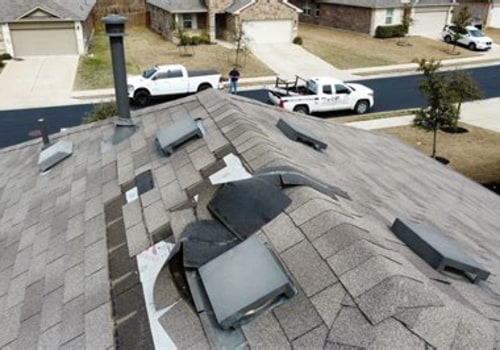
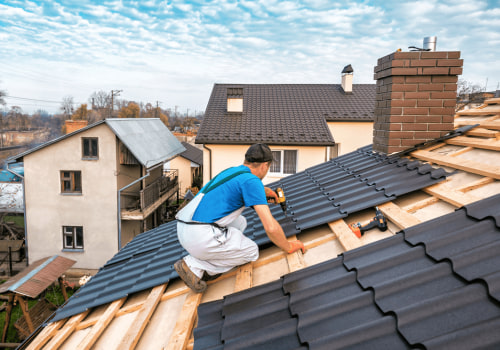
Flat roofs have become increasingly popular in both residential and commercial buildings, offering a modern aesthetic and practical benefits. Unlike traditional pitched roofs, flat roofs are designed with a minimal slope, allowing for efficient water drainage and the possibility of utilising the space for various purposes. There are several types of flat roofs, including built-up roofing (BUR), single-ply membranes, and modified bitumen, each with its unique characteristics and advantages. The benefits of flat roofs extend beyond their sleek appearance. They provide additional usable space, which can be transformed into rooftop gardens, terraces, or even solar panel installations.
Furthermore, flat roofs are often more cost-effective to install and maintain compared to their pitched counterparts. However, despite these advantages, they require diligent maintenance to ensure longevity and performance. Understanding the specific needs of your flat roof is crucial for effective upkeep. Regular inspections and maintenance can prevent common issues such as leaks, ponding water, and membrane deterioration. By prioritising these tasks, homeowners and property managers can safeguard their investment while enjoying the many benefits that flat roofs have to offer.
Regular Inspections: The Key to Longevity
Regular inspections are crucial for maintaining the integrity of your flat roof.By conducting these inspections, you can identify potential issues before they escalate into costly repairs. It is recommended to perform inspections at least twice a year, ideally in the spring and autumn, as well as after severe weather events.
How to Inspect a Flat Roof
- Visual Assessment: Start with a thorough visual inspection from the ground or a safe vantage point. Look for any obvious signs of damage such as cracks, blisters, or pooling water.
- Check for Debris: Remove any debris such as leaves, branches, or dirt that may have accumulated on the roof surface. This can prevent water from draining properly and lead to leaks.
- Inspect Flashings: Pay close attention to the flashings around vents, chimneys, and edges.
These areas are prone to wear and can be entry points for water if not properly sealed.
- Look for Signs of Damage: During your inspection, be on the lookout for signs of damage such as rusted metal components, loose seams, or areas where the roofing material has lifted.
Signs of Damage to Watch For
- Ponding Water: If you notice water pooling on your flat roof for more than 48 hours after rainfall, it could indicate drainage issues that need addressing.
- Cracks and Blisters: Small cracks can develop over time due to temperature fluctuations. Blisters may form when moisture gets trapped beneath the roofing material.
- Mould or Mildew: The presence of mould or mildew can indicate prolonged moisture exposure, which can compromise the roof's structure.
Cleaning Your Flat Roof: Best Practices
Maintaining a flat roof is crucial for its longevity, and regular cleaning is a key component of effective roof maintenance. Here are some best practices to ensure your flat roof remains in optimal condition.Essential Tools for Cleaning
- Sturdy Ladder: Ensure you have a reliable ladder to access your roof safely.
- Soft-Bristled Broom: Use this to gently sweep away debris without damaging the roofing material.
- Pressure Washer: For stubborn dirt and grime, a pressure washer can be effective, but use it with caution to avoid damaging the surface.
- Garden Hose: A simple hose can help rinse off lighter debris and dirt.
- Safety Gear: Always wear non-slip shoes and consider using a harness if your roof has a steep pitch.
Steps for Effective Cleaning
- Remove Debris: Start by clearing away leaves, branches, and any other debris.
This prevents water pooling and potential leaks.
- Inspect for Damage: While cleaning, look for any signs of damage such as cracks or blisters. Address these issues promptly to avoid further complications.
- Wash the Surface: Use your soft-bristled broom or pressure washer to clean the roof surface. Be cautious with the pressure settings to avoid harming the roofing material.
- Clear Drains and Gutters: Ensure that all drainage systems are free from blockages. This is vital for preventing water accumulation on your flat roof.
- Final Rinse: After cleaning, give the roof a final rinse with a garden hose to remove any remaining soap or debris.
By following these tips, you can maintain a clean and functional roofing system that stands up to the elements. Remember, proactive maintenance is key to avoiding costly repairs in the future.
Identifying and Repairing Common Issues
Flat roofs, while popular for their modern aesthetic and space efficiency, can encounter a variety of issues over time. Identifying these problems early can save homeowners significant costs in flat roof repairs. Here are some common flat roof problems and how to address them.- Ponding Water: One of the most frequent issues with flat roofs is the accumulation of water.
This can lead to leaks and structural damage. To address this, ensure that your roof has proper drainage systems in place. If you notice standing water, consider installing additional drains or re-sloping the roof.
- Cracks and Blisters: Over time, the roofing material may develop cracks or blisters due to temperature fluctuations. For minor cracks, a DIY repair can be done using a roofing sealant.
Clean the area thoroughly before applying the sealant to ensure a strong bond.
- Membrane Damage: The protective membrane on flat roofs can be punctured or torn by debris or foot traffic. Inspect your roof regularly for any visible damage. Small tears can often be repaired with a patch kit available at most hardware stores. For larger areas of damage, it may be best to consult a professional.
- Improper Installation: If your flat roof was not installed correctly, it may lead to various issues down the line.
If you suspect installation problems, it’s advisable to have a professional assess the situation to avoid further complications.
The Importance of Proper Drainage Systems
One of the most critical aspects of maintaining a flat roof is ensuring that it has an effective drainage system. Unlike pitched roofs, flat roofs are more susceptible to water pooling, which can lead to significant damage over time.Proper drainage not only helps in preventing water accumulation but also extends the lifespan of your roofing materials.
Flat roof drainage
systems typically include internal drains, scuppers, and gutters. Each of these components plays a vital role in directing water away from the roof surface:- Internal Drains: These are installed at low points on the roof and are designed to quickly remove water. Regular maintenance is essential to ensure they remain clear of debris.
- Scuppers: These are openings in the parapet walls that allow water to flow off the roof. They should be positioned strategically to facilitate efficient drainage.
- Gutters: While not always necessary for flat roofs, gutters can help manage runoff and prevent overflow during heavy rain.
Here are some tips:
- Regular Inspections: Check your roof at least twice a year and after heavy storms to identify any blockages or damage.
- Clear Debris: Remove leaves, dirt, and other debris from drains and scuppers to ensure unobstructed water flow.
- Check for Ponding: Look for areas where water tends to collect and consider installing additional drainage solutions if necessary.
Seasonal Maintenance Tips for Flat Roofs
Maintaining a flat roof requires attention throughout the year, with specific tasks tailored to the changing seasons. Here are some essential seasonal maintenance tips to ensure your flat roof remains in optimal condition.Winter Preparation
As winter approaches, it’s crucial to prepare your flat roof for harsh weather conditions. Start by:- Clearing debris: Remove leaves, branches, and any other debris that can trap moisture and lead to ice dams.
- Inspecting drainage systems: Ensure that gutters and downspouts are clear to prevent water accumulation, which can freeze and cause damage.
- Checking for leaks: Examine seams and flashing for any signs of wear or damage.
Addressing these issues before winter can save you from costly repairs later.
Spring Cleaning
Once winter has passed, it’s time for a thorough inspection and cleaning:- Inspecting for damage: Look for any cracks or blisters that may have developed during the cold months.
- Cleaning the surface: Use a soft brush or broom to remove dirt and debris, ensuring proper drainage as spring rains arrive.
- Applying a protective coating: Consider applying a reflective coating to protect against UV rays and extend the life of your roof.
Summer Care
The summer heat can be tough on flat roofs. To maintain their integrity:- Regular inspections: Check for signs of wear, such as bubbling or cracking, which can be exacerbated by high temperatures.
- Ensure proper ventilation: Good airflow helps prevent heat buildup, which can damage roofing materials over time.
- Trim overhanging branches: Keep trees trimmed back to prevent shade from causing uneven wear and to reduce debris accumulation.
Autumn Preparations
As leaves begin to fall, take proactive steps to prepare your flat roof for winter:- Cleansing gutters: Regularly clean gutters and downspouts to avoid blockages that can lead to water pooling on the roof.
- Final inspections: Conduct a thorough inspection of the roof surface and repair any issues before the first frost.
When to Call in the Professionals
While maintaining a flat roof can often be a DIY task, there are specific scenarios where it is crucial to call in the professionals. Recognising these situations can save you time, money, and potential safety hazards.Signs You Need a Professional Roofer
- Severe Damage: If you notice significant damage such as large cracks, punctures, or extensive water pooling, it’s time to consult a professional.
These issues can lead to more severe problems if not addressed promptly.
- Persistent Leaks: A small leak might seem manageable, but if it persists despite your repairs, it indicates a deeper issue that requires expert assessment.
- Structural Concerns: If you observe sagging or uneven areas on your roof, this could signal structural damage. Professionals have the expertise to evaluate and rectify these concerns safely.
- Age of the Roof: Flat roofs typically have a lifespan of 15-30 years. If your roof is approaching or has surpassed this age, it’s wise to have it inspected by a professional.
When to Hire a Roofer
It’s essential to know when to hire a roofer rather than attempting repairs yourself. Consider the following:- If the repair requires specialised tools or materials that you do not possess.
- If you lack experience in roofing work and are unsure about safety protocols.
- If the weather conditions are not suitable for DIY repairs, such as during heavy rain or high winds.
By recognising the signs and knowing when to seek help, you can ensure your roof remains in optimal condition and avoid costly repairs down the line.
FAQs About Flat Roof Maintenance
Maintaining a flat roof can raise several questions for homeowners and property managers alike. Here are some frequently asked questions regarding flat roof maintenance:- How often should I inspect my flat roof?
It is advisable to inspect your flat roof at least twice a year, ideally in spring and autumn. Additionally, check after severe weather events to identify any potential damage. - What are the common signs of flat roof damage?
Look for ponding water, cracks, blisters, or any visible wear and tear. Interior signs such as water stains on ceilings or walls can also indicate issues. - Can I walk on my flat roof?
While many flat roofs are designed to support foot traffic, it’s essential to check with your roofing contractor.Always wear appropriate footwear and avoid walking on wet surfaces to prevent slipping.
- What maintenance tasks should I perform regularly?
Regular maintenance includes clearing debris, checking drainage systems, and ensuring that flashing is intact. Keeping gutters clean is also crucial to prevent water buildup. - When should I consider professional help?
If you notice significant damage or if repairs are beyond your skill level, it’s best to consult a professional. Regular inspections by a qualified roofer can also help catch issues early.
Conclusion: Key Takeaways for Flat Roof Care
In conclusion, maintaining a flat roof is essential for ensuring its longevity and functionality. Regular inspections and proactive care can prevent minor issues from escalating into costly repairs.Here are the key takeaways to keep in mind:
- Regular Inspections: Schedule inspections at least twice a year, ideally in spring and autumn, to identify any potential problems early.
- Clear Debris: Keep the roof surface free from leaves, branches, and other debris that can trap moisture and lead to damage.
- Check for Ponding Water: Ensure that water drains properly; standing water can weaken roofing materials and cause leaks.
- Maintain Flashing: Inspect and maintain flashing around vents, chimneys, and edges to prevent water ingress.
- Address Repairs Promptly: If you notice any signs of wear or damage, such as cracks or blisters, address them immediately to avoid further deterioration.