The shape of a roof plays a crucial role in determining not only the aesthetic appeal of a building but also its overall durability and maintenance requirements. Different roof designs, from the classic gable to the modern flat, each come with their own set of advantages and challenges. Understanding these shapes is essential for homeowners and builders alike, as it directly influences how well a roof can withstand environmental factors such as wind, rain, and snow. Moreover, the importance of roof design extends beyond mere appearance; it impacts energy efficiency, drainage capabilities, and even the longevity of roofing materials. For instance, steeply pitched roofs are often better at shedding water and snow, reducing the risk of leaks and structural damage over time.
In contrast, flat roofs may require more frequent inspections and maintenance to prevent pooling water and subsequent deterioration. As we delve deeper into this topic, we will explore how various roof shapes affect not only their durability but also the ongoing maintenance needs. Keeping abreast of the latest roofing news can provide valuable insights into emerging trends and technologies that enhance roof performance. By understanding these dynamics, property owners can make informed decisions that ensure their roofs remain resilient against the elements for years to come.
Common Roof Shapes and Their Characteristics
When considering the durability and maintenance needs of a roof, the shape plays a crucial role. Different roof shapes not only affect the aesthetic appeal of a building but also influence how well the roof can withstand various weather conditions.Gable Roofs
The gable roof is one of the most common roof types, characterised by its triangular shape.This design allows for efficient water drainage, reducing the risk of leaks and water damage. Gable roofs are also relatively easy to construct, which can lower initial costs. However, they may require more frequent maintenance in areas prone to high winds, as the exposed edges can be vulnerable to damage.
Hip Roofs
Hip roofs feature slopes on all four sides, providing a more stable structure compared to gable roofs. This shape is particularly advantageous in regions with heavy snowfall or strong winds, as it offers better resistance against these elements.The enclosed design also allows for additional living space in the attic, but it may require more complex construction and higher maintenance due to the increased number of seams.
Flat Roofs
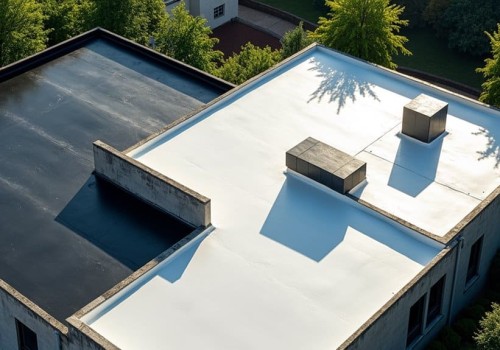
Flat roofs, while modern and stylish, come with their own set of challenges. They are easier to install and provide usable outdoor space; however, they are more susceptible to water pooling, which can lead to leaks if not properly maintained. Regular inspections and maintenance are essential to ensure that drainage systems are functioning effectively.Shed Roofs
The shed roof, or single-pitched roof, is often used in modern architecture for its minimalist aesthetic. This design allows for excellent water runoff and is generally easier to build than more complex shapes.However, like flat roofs, shed roofs can face issues with water accumulation if not designed with adequate drainage solutions. In summary, understanding the characteristics of these common roof shapes is vital for homeowners and builders alike. Each type has its unique advantages and challenges that can significantly impact durability and maintenance requirements over time.
How Roof Shape Affects Durability
The shape of a roof plays a crucial role in determining its overall durability and maintenance requirements. Different designs can significantly influence how well a roof withstands environmental stresses, such as wind, rain, and snow.Wind Resistance
- Gabled roofs, with their triangular shape, are often more effective at deflecting strong winds compared to flat roofs. This design helps to reduce the risk of wind uplift, which can lead to structural damage.
- Hip roofs, which slope on all sides, provide even greater stability in high winds.
Their aerodynamic shape allows wind to flow over them more smoothly, minimising the potential for damage.
Snow Load Management
- Roofs with a steep pitch, such as gable and hip roofs, facilitate snow runoff, reducing the risk of excessive weight accumulation that can lead to structural failure.
- Conversely, flat roofs may struggle with snow load management, necessitating regular maintenance to remove snow and prevent leaks or sagging.
Material Longevity
The choice of roofing materials also interacts with the roof shape to affect durability. For instance:
- Metal roofing, often used on sloped roofs, is highly resistant to corrosion and can last for decades with minimal maintenance.
- Asphalt shingles, commonly found on gabled roofs, may require more frequent replacement due to their susceptibility to wind damage and UV degradation.
Maintenance Needs Based on Roof Shape
The shape of a roof plays a crucial role in determining its maintenance needs. Different designs come with unique challenges and requirements for upkeep, which can significantly affect the longevity and performance of the roofing system.Flat Roofs
Flat roofs are often easier to access, making routine inspections and maintenance simpler.However, they require more frequent cleaning to prevent water pooling, which can lead to leaks and structural damage. Regular checks for debris accumulation, especially after storms, are essential to maintain their integrity.
Pitched Roofs
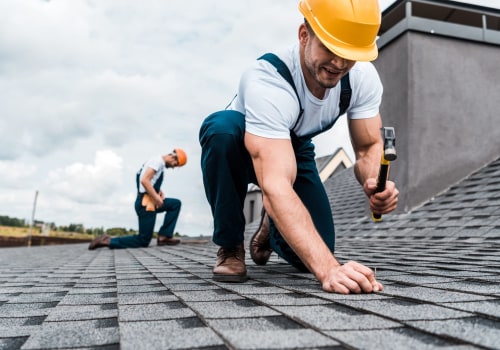
Pitched roofs, on the other hand, can be more challenging to maintain due to their steep angles. While they are less prone to water accumulation, they can collect leaves and other debris in valleys and gutters. This necessitates regular cleaning and inspection to ensure that drainage systems remain clear.Additionally, the risk of slipping during maintenance tasks is higher, requiring safety precautions.
Gabled Roofs
Gabled roofs offer good ventilation and drainage but can also present maintenance challenges. The peaks and eaves may require special attention during inspections, as they are prone to wear from weather exposure. Homeowners should check for missing shingles or tiles regularly and address any issues promptly to avoid costly repairs.Curved Roofs
Curved roofs, while aesthetically pleasing, can complicate maintenance due to their unique shapes. Cleaning these roofs often requires specialised equipment or professional services.Inspections should focus on the seams and joints where water may infiltrate, as these areas are critical for maintaining the roof's durability.In summary, understanding how roof shape impacts maintenance needs is vital for homeowners. Regular inspections tailored to the specific design of the roof can help prevent minor issues from escalating into major problems, ensuring that the roofing system remains functional and durable over time.
Comparative Analysis: Flat vs. Pitched Roofs
When considering the durability and maintenance needs of roofs, a comparative analysis between flat roofs and pitched roofs reveals significant differences that can influence a homeowner's decision.Durability
Pitched roofs, characterised by their sloped design, are generally more durable than flat roofs. The incline allows for efficient water drainage, reducing the risk of water pooling, which can lead to leaks and structural damage over time.Additionally, pitched roofs are less susceptible to wind damage due to their aerodynamic shape, making them a preferred choice in areas prone to severe weather.In contrast, flat roofs, while often easier and cheaper to install, face unique challenges. They require high-quality materials and regular inspections to prevent water accumulation and subsequent leaks. The lifespan of flat roofing materials can be shorter than that of pitched roofs, particularly if not properly maintained.
Maintenance Needs
The maintenance requirements for each roof type also differ significantly.Pitched roofs
typically require less frequent maintenance due to their design.Regular inspections are still necessary, but issues such as moss growth or debris accumulation are less common compared to flat roofs.
- Pitched Roofs:
- Less frequent maintenance needed.
- Easier to clear debris due to the slope.
- Longer lifespan with proper care.
- Flat Roofs:
- Require regular inspections for leaks and pooling water.
- Moss and algae growth can be problematic.
- May need more frequent repairs or replacements.
FAQs About Roof Shapes and Their Impact on Durability and Maintenance
Understanding the relationship between roof shape and its impact on durability and maintenance needs is crucial for homeowners. Here are some frequently asked questions that can help clarify these aspects:- What roof shapes are most durable? Generally, pitched roofs, such as gable and hip roofs, tend to be more durable than flat roofs. Their sloped design allows for better water drainage, reducing the risk of leaks and water damage.
- How does roof shape affect maintenance? The shape of a roof can significantly influence maintenance requirements.
For instance, complex roof designs with multiple angles and valleys may require more frequent inspections and maintenance compared to simpler shapes like a monopitch roof.
- Are certain materials better suited for specific roof shapes? Yes, some roofing materials perform better with certain shapes. For example, slate or tile roofs are often used on pitched roofs due to their durability, while membrane roofing is commonly used for flat roofs.
- How does climate influence roof shape choice? The local climate plays a significant role in determining the best roof shape. In areas with heavy snowfall, steeply pitched roofs are preferred to prevent snow accumulation, while flatter roofs may be suitable in warmer climates.
- What are the signs of roof damage related to shape? Common signs include sagging areas, water stains on ceilings, and missing shingles. These issues can indicate that the roof shape is not effectively managing water runoff or that structural integrity has been compromised.
Conclusion: Key Takeaways on Roof Shape Impact
In conclusion, the shape of a roof plays a pivotal role in determining its durability and maintenance needs.As we have explored, various roof shapes offer distinct advantages and challenges that can significantly impact the longevity of a building.
- Pitched roofs , such as gable and hip roofs, are generally more durable due to their ability to shed water and snow effectively, reducing the risk of leaks and structural damage.
- Flat roofs , while often easier to construct and maintain, require more frequent inspections and maintenance to prevent pooling water and potential leaks.
- The choice of roofing materials also interacts with roof shape; for instance, slate or tile roofs on pitched structures can enhance durability, while single-ply membranes on flat roofs may necessitate regular upkeep.