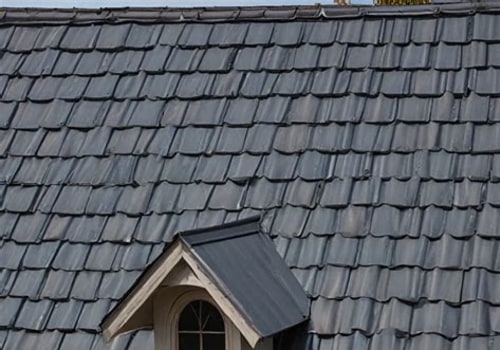
Understanding roof damage is crucial for homeowners, especially in regions prone to severe weather conditions. Hail and wind are two of the most common culprits that can lead to significant deterioration of roofing materials. As storms become increasingly unpredictable, staying informed about the potential impacts on your roof is essential for maintaining the integrity of your home. Hail damage can manifest in various ways, often leaving behind visible signs that may go unnoticed until they escalate into more serious issues. Similarly, strong winds can dislodge shingles or cause other forms of structural damage.
Recognising these signs early not only helps in preserving your roof's lifespan but also saves you from costly repairs down the line. In this section, we will delve deeper into the specific indicators of hail damage and wind damage, providing you with the knowledge needed to assess your roof effectively. By understanding these common signs, you can stay ahead of potential problems and ensure that your home remains safe and secure. Stay tuned for our detailed exploration of what to look for, as well as the latest roofing news related to storm damage and repair solutions.
Common Signs of Hail Damage
Hail damage can be subtle yet significant, making it essential for homeowners to be vigilant. Here are some common signs of hail damage that you should look out for:- Dents on Roof Surfaces: One of the most visible indicators of hail damage is the presence of dents on your roof.
These can often be found on metal roofing or shingles, where the impact of hailstones has left small, circular impressions.
- Granule Loss: Hail can dislodge the protective granules from asphalt shingles, leading to bald spots. If you notice areas where the granules are missing, it may indicate that your roof has suffered from hail impact.
- Cracks and Fractures: Inspect your roof for any cracks or fractures in the shingles. These can compromise the integrity of your roofing system and lead to leaks if not addressed promptly.
- Visible Holes: In severe cases, hail can create small holes in roofing materials. If you find any punctures, it’s crucial to have them repaired immediately to prevent water intrusion.
- Damage to Flashing: Check the flashing around chimneys and vents.
Hail can cause these protective barriers to bend or break, which may lead to leaks and further structural issues.
Common Signs of Wind Damage
Wind damage to roofs can often go unnoticed until it leads to more significant issues. Understanding the common signs of wind damage is crucial for homeowners to ensure timely repairs and maintain the integrity of their roofing systems.One of the most evident signs of wind damage is missing shingles.High winds can lift shingles, causing them to detach from the roof. If you notice any bare patches on your roof, it’s essential to inspect further, as missing shingles can expose the underlying materials to moisture and lead to leaks.Another sign to look for is curled or buckled shingles. Strong winds can cause shingles to lift at the edges, leading to curling or buckling. This not only affects the aesthetic appeal of your roof but also compromises its protective capabilities.
- Granule loss: Check your gutters and downspouts for shingle granules.
A significant amount of granules can indicate that your shingles are deteriorating due to wind exposure.
- Damaged flashing: Wind can displace or damage flashing around chimneys, vents, and skylights. Inspect these areas for any signs of separation or damage.
- Leaks or water stains: If you notice water stains on your ceilings or walls, it may be a sign that wind has compromised your roof’s integrity, allowing water to seep through.
How to Inspect Your Roof for Damage
Regular roof inspections are essential for maintaining the integrity of your home, especially after severe weather events like hail or wind storms.Here are some practical roof inspection tips to help you identify potential damage:
- Safety First: Before climbing onto your roof, ensure you have the right safety equipment. Use a sturdy ladder, wear non-slip shoes, and consider using a harness if your roof is steep.
- Visual Inspection: Start by examining your roof from the ground. Look for any obvious signs of damage such as missing shingles, dents, or debris accumulation. Use binoculars for a closer look without needing to climb.
- Check for Granule Loss: If you notice dark patches on your roof or granules in your gutters, this could indicate that your shingles are deteriorating due to hail impact.
- Inspect Flashing and Seals: Pay attention to the flashing around chimneys, vents, and skylights.
Look for cracks or gaps that could lead to leaks.
- Look for Water Damage: Inside your home, check for water stains on ceilings and walls, which may indicate roof leaks. This is particularly important after heavy rain or storms.
- Gather Tools: Equip yourself with a flashlight, a camera (to document any issues), and a notepad to take notes.
- Inspect from the Roof: Once safely on the roof, look for any signs of damage such as cracked or broken shingles, lifted edges, or areas where the roofing material appears worn.
- Check Gutters and Downspouts: Ensure they are clear of debris and functioning properly. Blocked gutters can lead to water pooling on the roof.
If you find significant damage during your inspection, it’s advisable to contact a qualified roofing contractor for a comprehensive evaluation and repair options.
When to Call a Professional Roofer
Identifying the right time to call a professional roofer can save you from further damage and costly repairs. While some minor issues can be handled by homeowners, there are specific scenarios where expert intervention is essential.- Visible Damage: If you notice missing shingles, dents, or cracks in your roof after a storm, it’s crucial to contact a roofing professional. These signs often indicate underlying issues that require immediate attention.
- Leaks and Water Stains: Water stains on your ceiling or walls are a clear sign of roof damage. A roof repair service can assess the source of the leak and prevent further water intrusion.
- Age of the Roof: If your roof is over 20 years old, even without visible damage, it’s wise to have it inspected.
Older roofs are more susceptible to damage from hail and wind, and a professional can provide insights on necessary repairs or replacements.
- Increased Energy Bills: A sudden spike in your energy bills may indicate that your roof is not performing efficiently. A professional roofer can evaluate insulation and ventilation issues that could be contributing to this problem.
- Unusual Granule Loss: If you find granules from asphalt shingles in your gutters or on the ground, this could signal significant wear. A professional can determine if this is a sign of impending failure.
Their expertise will help protect your home and investment for years to come.
Frequently Asked Questions about Roof Damage
When it comes to roof damage caused by hail or wind, homeowners often have many questions. Here are some of the most frequently asked questions regarding this topic:- What are the signs of hail damage on a roof?
Hail damage can manifest in various ways, including: - Dents or dimples on shingles, which may indicate impact from hailstones.
- Granule loss, where the protective granules on asphalt shingles are knocked off, exposing the underlying material.
- Cracks or splits in shingles, which can lead to leaks if not addressed promptly.
- How can I tell if my roof has wind damage?
Wind damage is often less visible than hail damage but can be just as serious. Look for: - Missing shingles, which may have been blown off entirely.
- Lifted edges of shingles that may indicate they are no longer securely attached.
- Debris accumulation in gutters or around the base of the house, which can suggest that shingles have been dislodged.
- What should I do if I suspect roof damage?
If you notice any signs of damage, it’s crucial to take action: - Contact a professional roofing contractor for a thorough inspection.
- Document any visible damage with photographs for insurance purposes.
- Avoid climbing onto the roof yourself, as this can be dangerous and may cause further damage.
For more updates and tips on roofing, keep an eye on the latest Roofing News.
Conclusion: Protecting Your Roof from Future Damage
In conclusion, understanding the common signs of roof damage caused by hail or wind is crucial for homeowners looking to protect their investment. Regular inspections and maintenance can significantly reduce the risk of severe damage and costly repairs. By being proactive, you can identify potential issues before they escalate. To recap, some of the key signs to watch for include:- Missing or Damaged Shingles: Look for any shingles that are cracked, curled, or completely missing, as these can expose your roof to further damage.
- Dents and Dings: Hail can leave noticeable dents on your roofing materials, particularly on metal roofs. These imperfections can compromise the integrity of your roof.
- Granule Loss: If you notice an accumulation of granules in your gutters or downspouts, it may indicate that your shingles are deteriorating.
- Leaks and Water Stains: Interior water stains on ceilings or walls can signal a breach in your roof's protective layer, often caused by wind or hail damage.
- Regular Inspections: Schedule professional roof inspections at least twice a year and after severe weather events to catch any issues early.
- Timely Repairs: Address any signs of damage immediately to prevent further deterioration and more extensive repairs down the line.
- Invest in Quality Materials: When replacing or repairing your roof, choose high-quality materials that are designed to withstand harsh weather conditions.
Remember, a well-maintained roof not only protects your home but also enhances its overall value.