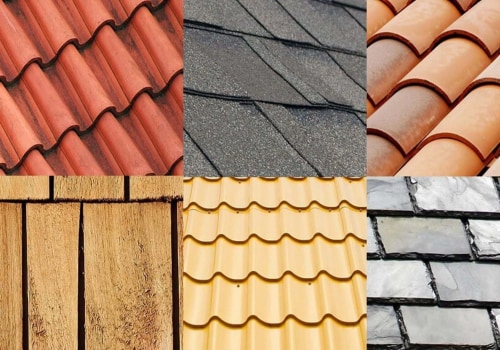
When it comes to roofing, the choice of materials plays a crucial role in determining not only the aesthetic appeal of a property but also its longevity and durability. Various types of roofing materials are available, each with unique characteristics that cater to different architectural styles and environmental conditions. From traditional options like slate and tile to modern alternatives such as metal and asphalt shingles, understanding these materials is essential for homeowners and builders alike. The quality of roofing materials significantly influences their lifespan. High-quality materials are designed to withstand harsh weather conditions, resist wear and tear, and provide better insulation.
For instance, while asphalt shingles may be a cost-effective choice, their lifespan can be considerably shorter compared to premium slate or metal roofs. This difference in durability often translates into long-term savings, as investing in superior materials can reduce the frequency of repairs and replacements. Moreover, the installation process also affects how well these materials perform over time. Even the best roofing material can fail prematurely if not installed correctly. Therefore, it is vital to consider both the quality of the materials and the expertise of the installers when planning a roofing project.
By prioritising high-quality roofing materials, homeowners can ensure that their roofs not only look great but also stand the test of time, ultimately enhancing the value of their property.
The Role of Material Quality in Roofing Lifespan
The quality of roofing materials plays a crucial role in determining their overall lifespan. When selecting roofing materials, it is essential to consider how their inherent properties influence durability and longevity. High-quality materials are typically engineered to withstand various environmental factors, which can significantly extend the life of a roof.Material Quality Impact
- Resistance to Weathering: Premium roofing materials, such as slate or metal, offer superior resistance to harsh weather conditions, including heavy rain, snow, and UV radiation. This resistance helps prevent premature deterioration.
- Thermal Performance: High-quality materials often have better thermal insulation properties, which can reduce the stress on the roofing system caused by temperature fluctuations.
This can lead to a longer lifespan.
- Maintenance Requirements: Durable materials typically require less maintenance over time. For instance, asphalt shingles may need regular inspections and replacements, while metal roofs can last decades with minimal upkeep.
Roofing Lifespan Factors
- Installation Quality: Even the best materials can fail if not installed correctly. Professional installation ensures that the roofing system performs optimally and maximises the lifespan of the materials used.
- Local Climate: The local climate significantly impacts material performance. For example, in areas prone to high winds or hail, investing in high-quality materials designed for such conditions is vital.
- Building Design: The design of the building itself can affect how well roofing materials perform.
Proper ventilation and drainage systems can enhance the longevity of roofing materials by preventing moisture buildup.
Comparative Analysis of Roofing Materials
When considering the lifespan of roofing materials, it is essential to understand that not all materials are created equal. The quality of the roofing material significantly influences its durability and longevity. Below, we compare some of the most common roofing materials, highlighting their average lifespans and how variations in quality can impact these figures.Asphalt Shingles
Asphalt shingles are one of the most popular roofing materials due to their affordability and ease of installation.On average, high-quality asphalt shingles can last between 20 to 30 years. However, lower-quality options may only last around 15 to 20 years. Factors such as weather conditions and proper installation also play a crucial role in determining their lifespan.
Metal Roofs
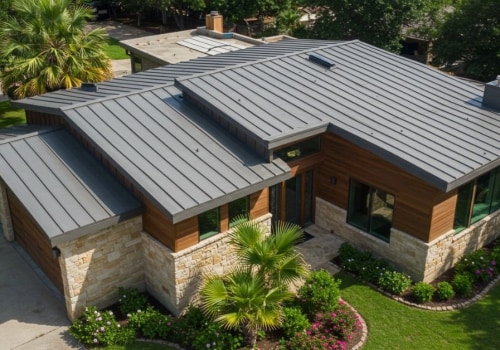
Metal roofs are known for their exceptional durability and can last anywhere from 40 to 70 years, depending on the type of metal used. High-quality materials like copper or zinc can even exceed this range.In contrast, lower-grade metals may corrode or degrade more quickly, reducing their lifespan significantly.
Tile Roofs
Tile roofs, particularly those made from clay or concrete, are renowned for their longevity. A well-installed tile roof can last over 50 years, with some high-quality tiles lasting up to 100 years. However, the quality of the tiles is paramount; inferior tiles may crack or break under stress, leading to a much shorter lifespan.Wood Shakes
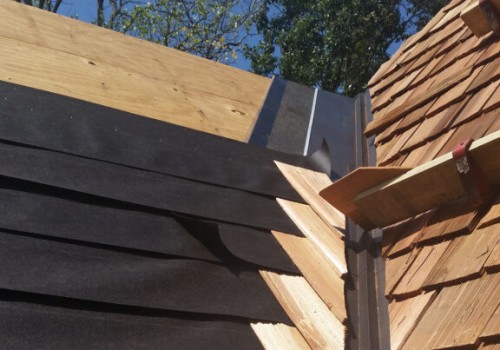
Wood shake roofs offer a natural aesthetic but require more maintenance than other materials. High-quality wood shakes can last between 30 to 40 years, while lower-quality options may only endure for about 20 years.The treatment and preservation of the wood also significantly affect its longevity.In conclusion, when selecting roofing materials, it is vital to consider both the type and quality. Investing in high-quality materials not only enhances the aesthetic appeal of a property but also ensures a longer lifespan, ultimately providing better value over time.
Environmental Factors Affecting Roofing Material Lifespan
The lifespan of roofing materials is significantly influenced by various environmental factors. Understanding these factors is crucial for homeowners and builders alike, as they can dictate the longevity and performance of a roof.Climate Considerations
- Temperature Extremes: Regions that experience severe temperature fluctuations can cause roofing materials to expand and contract, leading to cracks and other forms of damage. For instance, asphalt shingles may become brittle in extreme cold, while metal roofs can warp under intense heat.
- Humidity Levels: High humidity can promote the growth of mould and mildew, particularly in wooden roofing materials.
This not only affects aesthetics but also compromises structural integrity.
- Precipitation Patterns: Areas with heavy rainfall or snowfall require roofing materials that can withstand prolonged exposure to moisture. Materials like slate or metal are often preferred in such climates due to their water-resistant properties.
Weather Effects
- Wind Damage: High winds can lift shingles or tiles, exposing the underlying layers to the elements. This is particularly a concern in coastal areas where storms are frequent.
- UV Radiation: Prolonged exposure to sunlight can degrade certain roofing materials, especially those that are not UV-resistant. This degradation can lead to fading and loss of protective qualities.
Geographical Location
- Altitude: In higher altitudes, roofs may face harsher weather conditions, including increased snowfall and stronger winds.
Choosing durable materials is essential in these regions.
- Proximity to Saltwater: Coastal areas are subject to salt spray, which can corrode metal roofing materials over time. Selecting corrosion-resistant options is vital for longevity.
Maintenance and Its Influence on Roofing Lifespan
Regular maintenance is crucial for extending the lifespan of roofing materials, and its importance cannot be overstated. High-quality roofing materials, while inherently more durable, still require consistent care to perform optimally over time.Neglecting maintenance can lead to premature deterioration, regardless of the material's initial quality.One of the primary ways maintenance influences roof lifespan is through the early detection of issues. Regular inspections allow homeowners to identify problems such as leaks, cracks, or missing shingles before they escalate into more significant damage. For instance, a small leak can quickly lead to extensive water damage if not addressed promptly.
How Maintenance Affects Roof Lifespan
- Preventive Care: Routine maintenance includes cleaning gutters, removing debris, and checking for signs of wear. This proactive approach helps prevent blockages and water pooling, which can compromise the integrity of roofing materials.
- Material-Specific Needs: Different roofing materials have unique maintenance requirements.
For example, asphalt shingles may need periodic sealing, while metal roofs might require rust treatment. Understanding these needs is essential for maintaining quality.
- Weather Resistance: Regular maintenance ensures that roofing materials remain effective against harsh weather conditions. Quality materials often have better resistance to elements, but without proper upkeep, even the best roofs can fail.
Homeowners should prioritise routine inspections and care to ensure their roofs remain in optimal condition for years to come.
FAQs About Roofing Material Quality and Lifespan
When considering the quality of roofing materials, many homeowners have questions about how this affects the lifespan of their roofs. Here are some frequently asked questions that can help clarify these concerns.- What types of roofing materials last the longest?
Generally, materials like slate, tile, and metal are known for their durability and can last over 50 years with proper maintenance. In contrast, asphalt shingles typically last around 20-30 years. - How does the quality of roofing materials impact their lifespan?
Higher quality materials often come with better resistance to weather conditions, UV rays, and other environmental factors. This resilience translates to a longer lifespan, reducing the need for frequent repairs or replacements. - Is it worth investing in higher quality roofing materials?
While the initial cost may be higher, investing in quality materials can save money in the long run by reducing maintenance costs and extending the lifespan of your roof. - Do cheaper roofing materials compromise safety?
In many cases, lower quality materials may not meet safety standards or provide adequate protection against severe weather, leading to potential hazards. - How can I determine the right roofing material for my home?
Consider factors such as your local climate, budget, and aesthetic preferences.Consulting with a professional roofer can also provide valuable insights tailored to your specific needs.
Conclusion: Key Takeaways on Roofing Material Quality and Lifespan
In conclusion, the quality of roofing materials plays a pivotal role in determining their lifespan and overall performance. As we have explored, investing in high-quality roofing materials not only enhances the durability of your roof but also contributes to long-term cost savings and peace of mind. Here are the key takeaways regarding the relationship between roofing material quality and lifespan:- Material Composition: The composition of roofing materials significantly affects their resistance to environmental factors. For instance, materials like slate and metal tend to outperform asphalt shingles in terms of longevity.
- Manufacturer Reputation: Choosing products from reputable manufacturers ensures that you are getting materials that meet industry standards and have been tested for durability.
- Installation Quality: Even the best materials can fail if not installed correctly.
Engaging experienced professionals for installation is crucial to maximise the lifespan of your roof.
- Maintenance Practices: Regular maintenance can extend the life of roofing materials. Simple tasks such as cleaning gutters and inspecting for damage can prevent minor issues from escalating.
- Climate Considerations: The local climate should influence your choice of roofing materials. For example, areas prone to heavy rainfall may benefit from materials designed for superior water resistance.