Extreme weather conditions have become increasingly prevalent, posing significant challenges to homeowners and their properties. These conditions encompass a range of phenomena, including heavy rainfall, strong winds, hailstorms, and extreme temperatures. Each type of extreme weather can have a profound impact on roofing systems, leading to potential damage that may compromise the integrity of your home. Understanding the various types of extreme weather is essential for effective roof preparation. For instance, heavy rainfall can lead to water pooling and subsequent leaks if drainage systems are not adequately maintained.
Similarly, strong winds can lift shingles or tiles, exposing the underlying structure to further elements. Hailstorms can cause immediate physical damage, while extreme temperatures can lead to thermal expansion and contraction, weakening roofing materials over time. The impact of these weather conditions on roofs cannot be overstated. A well-maintained roof acts as the first line of defence against the elements, but neglecting its upkeep can result in costly repairs and safety hazards. By recognising the potential threats posed by extreme weather, homeowners can take proactive measures to fortify their roofs, ensuring they remain resilient against whatever nature may throw their way.
Assessing Your Roof's Current Condition
Before preparing your roof for extreme weather conditions, it is essential to conduct a thorough roof inspection.This process will help you identify any existing issues that could exacerbate during severe weather events.Start by examining the roof from the ground level using binoculars. Look for the following signs of roof damage:
- Missing or damaged shingles: Check for any shingles that are cracked, curled, or completely missing. These can lead to leaks and further damage.
- Granule loss: Inspect your gutters for shingle granules. A significant amount of granules in the gutters indicates that your shingles are deteriorating.
- Flashing issues: Ensure that the flashing around chimneys, vents, and skylights is intact and not rusted or cracked.
- Moss or algae growth: While not always a structural issue, excessive moss or algae can trap moisture and lead to further damage.
Regular roof maintenance is crucial in preventing small issues from becoming major problems. Here are some maintenance tips to consider:
- Clean gutters regularly: Ensure that your gutters are free from debris to allow proper water drainage.
- Trim overhanging branches: Keep tree branches trimmed back to prevent them from damaging your roof during storms.
- Seal any gaps: Use appropriate sealants to fill in any gaps or cracks in your roofing materials.
Strengthening Your Roof Structure
Preparing your roof for extreme weather conditions begins with strengthening your roof structure. This involves selecting the right materials and employing effective construction techniques to enhance the structural integrity of your roof.1.Choose Durable Roofing Materials
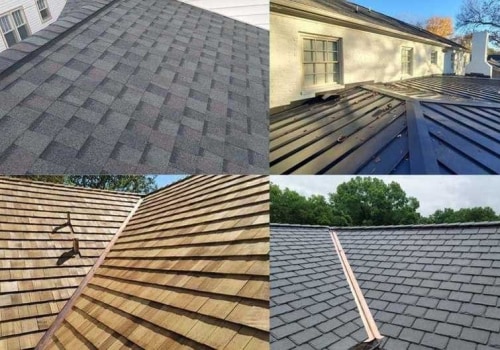
- Metal roofing: Known for its longevity and resistance to high winds, metal roofing can withstand severe weather better than traditional shingles.
- Slate and tile: These materials are not only aesthetically pleasing but also incredibly durable, providing excellent protection against heavy rain and hail.
- Impact-resistant shingles: If you prefer asphalt shingles, opt for those rated for impact resistance, which can help prevent damage from flying debris.
2.Reinforce Roof Structure
In addition to material selection, reinforcing the underlying structure is crucial.
Consider the following:
- Truss systems: Installing a robust truss system can distribute weight more evenly and provide additional support during storms.
- Strapping and bracing: Adding strapping or bracing to the roof can help secure it against strong winds, reducing the risk of uplift.
- Sheathing upgrades: Using thicker plywood or oriented strand board (OSB) for sheathing can enhance overall strength and stability.
3.Regular Maintenance Checks
Finally, regular inspections and maintenance are essential to ensure that your roof remains in optimal condition. Look for signs of wear, such as loose shingles or damaged flashing, and address these issues promptly to prevent further damage during extreme weather events.By focusing on these methods of roof reinforcement, you can significantly improve your roof's ability to withstand severe weather conditions, ensuring the safety and longevity of your home.
Choosing the Right Roofing Materials
When preparing your roof for extreme weather conditions, selecting the right roofing materials is crucial. The materials you choose can significantly impact your roof's durability and performance during harsh weather events.Best Roofing Materials for Extreme Weather
Here are some of the most effective roofing materials that offer excellent resistance to extreme weather:- Metal Roofing: Known for its longevity and durability, metal roofing can withstand high winds, heavy rain, and even hail. It reflects heat, making it energy-efficient in hot climates.
- Slate Roofing: This natural stone material is incredibly durable and can last over a century.
Slate is resistant to fire, wind, and water, making it an excellent choice for areas prone to severe weather.
- Clay and Concrete Tiles: These materials are not only aesthetically pleasing but also highly resistant to wind and rain. They can endure extreme temperatures and are less likely to crack under pressure.
- Asphalt Shingles: While they are the most common roofing material, opting for high-quality architectural shingles can provide better resistance against wind and moisture. Look for shingles rated for high wind speeds.
Weather-Resistant Roofing Options
In addition to choosing the right material, consider the following options to enhance your roof's resilience:- Impact-Resistant Shingles: These shingles are designed to withstand hail and flying debris, making them ideal for storm-prone areas.
- Roof Coatings: Applying a protective coating can add an extra layer of defence against UV rays and moisture, prolonging the life of your roof.
- Proper Insulation: Ensuring your roof is well-insulated can help prevent ice dams in winter and reduce heat buildup in summer, protecting your roofing materials from extreme temperature fluctuations.
Regular Maintenance Practices for Roof Longevity
To ensure your roof remains in optimal condition and can withstand extreme weather, implementing regular maintenance practices is essential.Here are some practical tips that homeowners can follow throughout the year:
- Seasonal Inspections: Conduct thorough inspections at least twice a year, ideally in spring and autumn. Look for signs of wear, such as cracked shingles, rusted flashing, or any debris accumulation.
- Gutter Cleaning: Keep gutters and downspouts clear of leaves and debris to prevent water backup, which can lead to roof leaks. Clean them regularly, especially after heavy storms or during the fall.
- Debris Removal: Remove branches, leaves, and other debris from your roof. This not only prevents damage but also reduces the risk of mould growth.
- Check for Moss and Algae: In damp conditions, moss and algae can thrive on roofs.
Regularly check for these growths and remove them promptly to avoid shingle damage.
- Inspect Flashing: Ensure that the flashing around chimneys, vents, and skylights is intact. Damaged flashing can lead to leaks during heavy rain or snow.
- Roof Cleaning: Consider hiring a professional for a deep clean every few years. This helps maintain the aesthetic appeal of your roof and prolongs its lifespan.
Preparing for Specific Weather Events
Preparing your roof for extreme weather conditions is crucial to ensure its longevity and your home’s safety.Different weather events require specific preparations, so let’s explore how to get ready for hurricanes, heavy snow, and storms.
Hurricane Preparation
When a hurricane is forecasted, it’s essential to take proactive measures:- Inspect and Reinforce Roof Structure: Check for loose shingles or tiles and replace them. Consider adding hurricane straps to secure the roof more firmly to the walls.
- Clear Gutters and Drains: Ensure that gutters are free from debris to prevent water accumulation, which can lead to leaks or structural damage.
- Install Impact-Resistant Materials: If you live in a hurricane-prone area, consider upgrading to impact-resistant roofing materials that can withstand high winds and flying debris.
Snow Load Management
Heavy snowfall can place significant stress on your roof. Here are steps to manage snow load effectively:- Regular Snow Removal: After a heavy snowfall, use a roof rake to remove snow from the edges of the roof. This helps prevent ice dams and reduces the overall weight on the structure.
- Inspect Insulation and Ventilation: Proper insulation prevents heat from escaping, which can cause snow to melt and refreeze, leading to ice dams.
Ensure your attic is well-ventilated.
Storm Readiness
For general storm preparedness, consider these actions:- Secure Loose Items: Before a storm hits, secure or bring inside any loose items on your roof or in your yard that could become projectiles in high winds.
- Check Flashing and Seals: Inspect all flashing around chimneys, vents, and skylights for any signs of wear or damage. Reseal where necessary to prevent leaks during heavy rain.
FAQs About Roof Preparation for Extreme Weather
When it comes to preparing your roof for extreme weather, many homeowners have questions. Here are some of the most frequently asked questions regarding roof preparation:- What are the signs that my roof needs repairs before a storm? Look for missing shingles, cracks, or any signs of water damage in your attic. If you notice any of these issues, it’s crucial to address them before severe weather hits.
- How often should I inspect my roof? It’s advisable to inspect your roof at least twice a year, ideally in spring and autumn.
Additionally, after any major storm, a thorough inspection can help identify potential problems early.
- Can I prepare my roof myself? While some minor maintenance tasks can be done by homeowners, such as clearing gutters and checking for debris, it’s best to consult with a professional for comprehensive inspections and repairs.
- What materials are best for extreme weather conditions? Consider using impact-resistant shingles or metal roofing, which can withstand high winds and hail better than traditional materials.
- How can I protect my roof from heavy snow? Ensure that your roof is clear of excess snow accumulation. Installing heating cables can also help prevent ice dams from forming.
Conclusion: Key Takeaways for Roof Preparedness
In conclusion, preparing your roof for extreme weather conditions is not just a precaution; it is a necessity that can save you from significant damage and costly repairs. As we have discussed, the key to effective roof preparedness lies in a combination of regular maintenance, timely inspections, and proactive measures.Regular Maintenance: Keeping your roof in good condition through routine maintenance is essential.This includes clearing debris, checking for signs of wear and tear, and ensuring that gutters are free from blockages. A well-maintained roof is more resilient against harsh weather.Timely Inspections: Schedule professional inspections at least twice a year, ideally before the onset of winter and summer storms. These inspections can identify potential vulnerabilities that may not be visible to the untrained eye.Proactive Measures: Consider investing in high-quality roofing materials that are designed to withstand extreme weather. Additionally, reinforcing your roof structure can provide extra support during heavy winds or snowfall.
- Stay Informed: Keep up with Roofing News to stay aware of new technologies and materials that can enhance your roof's durability.
- Emergency Preparedness: Have a plan in place for emergencies, including knowing how to secure loose items around your property that could become projectiles in high winds.
Remember, a proactive approach to roof maintenance is the best defence against the unpredictable nature of extreme weather. Don’t wait for the storm to hit; act now to ensure your roof is ready for whatever Mother Nature throws its way.