In recent years, metal roofing has surged in popularity, becoming a prominent topic in roofing news. Homeowners and builders alike are increasingly recognising the numerous benefits that metal roofs offer, making them a compelling choice for both new constructions and renovations. As the demand for sustainable and durable building materials grows, metal roofing stands out as a solution that not only meets aesthetic desires but also addresses practical concerns. One of the key advantages of metal roofing is its remarkable longevity. Unlike traditional roofing materials, which may require frequent repairs or replacements, metal roofs can last 50 years or more with minimal maintenance.
This durability translates into significant cost savings over time, as homeowners can avoid the hassle and expense of regular roof replacements. Additionally, metal roofs are highly resistant to extreme weather conditions, including heavy rain, snow, and high winds, making them an ideal choice for various climates. Moreover, the energy efficiency of metal roofing cannot be overlooked. Many metal roofs are designed with reflective coatings that help to reduce heat absorption, leading to lower energy bills during hot summer months. This energy efficiency not only benefits homeowners financially but also contributes to a reduced carbon footprint, aligning with the growing trend towards eco-friendly building practices.
As we delve deeper into the specific advantages of metal roofing in this article, it becomes clear why this material is making headlines in the world of roofing.
Durability and Longevity of Metal Roofing
When it comes to metal roofing durability, this material is renowned for its ability to withstand harsh weather conditions. Unlike traditional roofing materials such as asphalt shingles or wood, metal roofs are designed to endure extreme temperatures, heavy rain, snow, and even hail. This resilience is largely due to the materials used, which often include steel, aluminium, or copper, all of which have inherent properties that enhance their strength and longevity.The lifespan of metal roofs is another significant advantage. While asphalt shingles typically last around 15 to 20 years, metal roofs can last anywhere from 40 to 70 years with proper maintenance.This extended lifespan not only reduces the frequency of roof replacements but also contributes to lower long-term costs for homeowners.In a roofing materials comparison, metal roofing stands out not just for its durability but also for its energy efficiency. Metal roofs reflect solar radiant heat, which can reduce cooling costs by 10-25%. Additionally, many metal roofing systems are made from recycled materials and are fully recyclable at the end of their life cycle, making them an environmentally friendly choice.Moreover, metal roofs are less prone to issues such as cracking, shrinking, and eroding compared to other materials. They are also resistant to pests like termites and do not support the growth of mould or mildew.
This combination of factors makes metal roofing an excellent long-term investment for homeowners looking for a reliable and sustainable roofing solution.
Energy Efficiency and Cost Savings
One of the most significant advantages of metal roofing is its remarkable energy efficiency. Metal roofs are designed to reflect solar heat rather than absorb it, which can lead to a substantial reduction in cooling costs during the warmer months. This reflective property is particularly beneficial in regions with high temperatures, where air conditioning can account for a large portion of energy bills.According to studies, homes with metal roofs can experience a decrease in energy consumption by up to 25% compared to traditional asphalt shingles. This reduction not only translates into lower monthly utility bills but also contributes to a smaller carbon footprint, appealing to environmentally conscious consumers.In addition to their energy-saving capabilities, metal roofs offer long-term cost savings.While the initial investment may be higher than that of conventional roofing materials, the durability and longevity of metal roofs often result in lower overall costs over time. Metal roofs can last 40 to 70 years, significantly outpacing the lifespan of asphalt shingles, which typically last around 15 to 20 years.Furthermore, many metal roofing systems are designed with energy performance in mind. They often come with reflective coatings that enhance their ability to deflect heat. This not only helps in maintaining a comfortable indoor temperature but also reduces the strain on HVAC systems, leading to further savings on maintenance and repair costs.In summary, investing in a metal roof is not just about immediate aesthetic appeal; it’s a strategic decision that offers substantial energy efficiency and cost savings.
By choosing metal roofing, homeowners can enjoy lower energy bills while contributing positively to the environment.
Aesthetic Appeal and Design Versatility
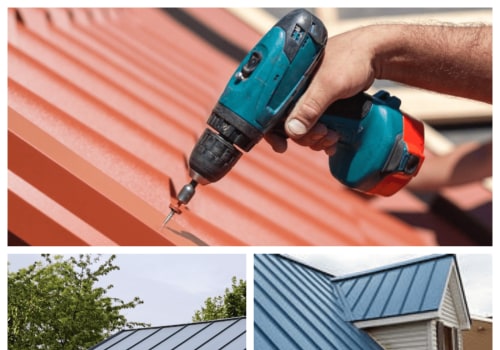
When considering metal roofing, one of the most compelling advantages is its aesthetic appeal and design versatility. Metal roofs are available in a wide range of styles, colours, and finishes, allowing homeowners to select an option that complements their architectural vision.Metal Roofing Styles
- Standing Seam: This style features vertical panels with raised seams, offering a sleek and modern look that is perfect for contemporary homes.
- Metal Shingles: Designed to mimic traditional roofing materials like slate or wood, metal shingles provide a classic appearance while delivering the durability of metal.
- Corrugated Metal: Often used in agricultural or industrial settings, corrugated metal can also add a rustic charm to residential properties.
Aesthetic Benefits of Metal Roofing
- Longevity and Maintenance: The durability of metal roofing means it retains its appearance over time, requiring minimal maintenance compared to other materials.
- Energy Efficiency: Many metal roofs are designed with reflective coatings that can reduce heat absorption, contributing to lower energy bills while maintaining a stylish look.
- Eco-Friendly Options: Metal roofing is often made from recycled materials and is fully recyclable at the end of its life cycle, appealing to environmentally conscious homeowners.
With numerous styles and colour options available, it’s easy to find a solution that not only meets functional needs but also elevates the overall design of the home.
Low Maintenance Requirements
One of the standout advantages of metal roofing is its remarkably low maintenance requirements. Unlike traditional roofing materials such as asphalt shingles or wood, which often demand regular upkeep, metal roofs are designed to withstand the test of time with minimal intervention.Metal roofing maintenance
is straightforward and infrequent. Homeowners can expect to perform basic inspections every few years to check for any signs of wear or damage. This typically includes looking for loose seams, rust spots, or any debris accumulation that could impede drainage.However, due to the durability of metal, these issues are rare.In contrast, traditional roofs may require frequent repairs and replacements due to weathering and environmental factors. For instance, asphalt shingles can curl, crack, or become dislodged after a storm, necessitating immediate attention. This not only adds to the overall cost of ownership but also demands time and effort from busy homeowners.
- Durability: Metal roofs can last 40-70 years with proper care, significantly reducing the need for replacement.
- Resistance to Elements: They are less susceptible to issues like rot, mould, and insect damage compared to other materials.
- Energy Efficiency: Many metal roofs reflect solar radiant heat, which can lower cooling costs and reduce wear on HVAC systems.
This ease of maintenance not only saves time but also provides peace of mind for homeowners who prefer a hassle-free roofing solution.In summary, choosing a metal roof means investing in a long-lasting structure that requires minimal maintenance. This advantage is particularly appealing for those who lead busy lives and wish to avoid the constant upkeep associated with traditional roofing materials.
Environmental Impact and Sustainability
As the world increasingly prioritises sustainability, metal roofing emerges as a leading choice for environmentally conscious homeowners. One of the most significant advantages of metal roofs is their recyclability. Unlike traditional roofing materials, which often end up in landfills, metal roofs can be recycled at the end of their lifespan.In fact, it is estimated that around 90% of metal roofing materials are made from recycled content, making them a sustainable roofing option that reduces the demand for new raw materials.Moreover, the production of metal roofing is generally more energy-efficient compared to other materials. The manufacturing process requires less energy, which translates to a lower carbon footprint. This efficiency not only benefits the environment but also contributes to cost savings for manufacturers and consumers alike.In addition to their recyclability and energy-efficient production, metal roofs offer excellent energy efficiency during their use. They reflect solar radiant heat, which can significantly reduce cooling costs in warmer climates.
This reflective property helps maintain a comfortable indoor temperature, thereby decreasing reliance on air conditioning systems and further lowering energy consumption.Furthermore, many metal roofing products are designed to last for decades, often exceeding 50 years with minimal maintenance. This longevity means fewer resources are needed for replacements over time, contributing to a more sustainable building lifecycle.In summary, choosing metal roofing not only enhances the aesthetic appeal and durability of a home but also aligns with eco-friendly practices. By opting for this sustainable roofing solution, homeowners can make a positive impact on the environment while enjoying long-term benefits.
Fire Resistance and Safety Features
When considering roofing options, fire resistance is a paramount concern for many homeowners. Metal roofing stands out in this regard, offering superior protection against fire hazards compared to traditional roofing materials.This is primarily due to the non-combustible nature of metals such as steel and aluminium, which can withstand high temperatures without igniting.In fact, metal roofs are often rated as Class A fire-resistant, the highest rating available. This classification means that they are less likely to catch fire from external sources, such as embers from wildfires or sparks from nearby structures. Homeowners in areas prone to wildfires or severe weather conditions can significantly benefit from this feature, enhancing their property’s safety.
Safety Features of Metal Roofs
Beyond fire resistance, metal roofs come equipped with various safety features that contribute to overall home security. For instance:- Durability: Metal roofs are designed to withstand extreme weather conditions, including heavy rain, snow, and high winds.
This resilience reduces the risk of roof failure during storms.
- Low Maintenance: Unlike other roofing materials that may require frequent repairs or replacements, metal roofs are low maintenance, which means fewer safety risks associated with roof deterioration.
- Non-slip surfaces: Many metal roofing systems are designed with textured surfaces that provide better traction, reducing the risk of slips and falls during maintenance or installation.
FAQs About Metal Roofing Advantages
When considering metal roofing, many homeowners have questions about its advantages. Here are some of the most frequently asked questions:What are the main benefits of metal roofing?
Metal roofing offers several key benefits, including:- Durability: Metal roofs can last 40-70 years, depending on the material, making them a long-term investment.
- Energy Efficiency: Metal reflects solar radiant heat, which can reduce cooling costs by 10-25%.
- Low Maintenance: Unlike traditional roofing materials, metal roofs require minimal maintenance and are resistant to issues like rot and insect damage.
- Environmentally Friendly: Many metal roofs are made from recycled materials and are 100% recyclable at the end of their life cycle.
Are metal roofs noisy during rain or hail?
A common misconception is that metal roofs are excessively noisy.However, when properly installed with insulation and underlayment, they can be just as quiet as traditional roofing materials during rain or hail.
Do metal roofs attract lightning?
No, metal roofs do not attract lightning. In fact, they can be safer than other roofing types because they are non-combustible and can help dissipate electrical charges.Can I install a metal roof over my existing roof?
Yes, in many cases, you can install a metal roof over an existing roof. This can save on removal costs and reduce waste. However, it’s essential to check local building codes and consult with a professional.Understanding these common questions about metal roofing advantages can help homeowners make informed decisions. about metal roofing advantages can help homeowners make informed decisions.With their numerous benefits, metal roofs are becoming an increasingly popular choice in the roofing news.
Conclusion: The Case for Metal Roofing
In conclusion, the advantages of metal roofing make it a compelling choice for homeowners looking to invest in a durable and efficient roofing solution. Throughout this article, we have explored several key benefits that highlight why metal roofing stands out in the competitive landscape of roofing materials.Firstly, longevity is a significant factor. Metal roofs can last upwards of 50 years, often outlasting traditional roofing materials such as asphalt shingles. This durability not only reduces the need for frequent replacements but also contributes to lower long-term costs.Secondly, the energy efficiency of metal roofing cannot be overlooked.With reflective properties that help to keep homes cooler in summer, metal roofs can lead to substantial savings on energy bills. This is particularly beneficial in regions with extreme temperatures.Moreover, metal roofing is known for its low maintenance requirements. Unlike other materials that may require regular upkeep, metal roofs are resistant to issues such as rot, mildew, and insect damage, allowing homeowners to enjoy peace of mind.Additionally, the sustainability aspect of metal roofing is increasingly important in today’s eco-conscious market. Many metal roofs are made from recycled materials and are themselves recyclable at the end of their lifespan, making them an environmentally friendly option.Finally, the aesthetic versatility of metal roofing allows homeowners to choose from a variety of styles and colours that can enhance the overall look of their property.
Whether you prefer a modern or traditional appearance, there is a metal roofing option to suit your taste.In summary, choosing metal roofing offers numerous advantages including longevity, energy efficiency, low maintenance, sustainability, and aesthetic appeal. As homeowners consider their options for roofing materials, it is clear that metal roofing presents a viable and advantageous choice that aligns with both practical needs and personal preferences.