When embarking on a roofing project, understanding your roofing needs is the first step towards ensuring a successful outcome. Each project is unique, influenced by factors such as the type of building, local climate conditions, and personal aesthetic preferences. Whether you are considering a simple repair or a complete roof replacement, it is essential to assess what you require from your roofing system. This assessment will not only guide your choice of materials but also help in selecting a contractor who is well-versed in the specific demands of your project.
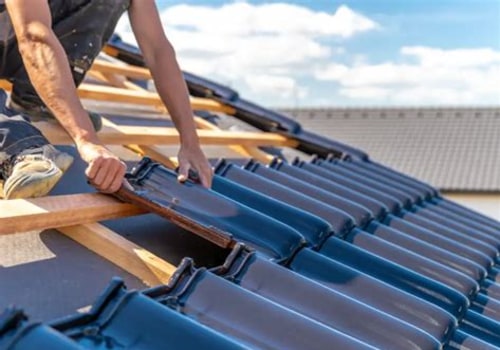
Remember to always choose quality materials to ensure durability and longevity. There are various Remember to always choose quality materials to ensure durability and longevity. There are various types of roofing available, each with its own set of advantages and disadvantages. From traditional materials like slate and tile to modern options such as metal and asphalt shingles, the choice can significantly impact both the functionality and appearance of your home. Additionally, understanding the roofing materials that best suit your needs will help you communicate effectively with potential contractors. For instance, if you live in an area prone to heavy rainfall, opting for materials that offer superior waterproofing capabilities should be a priority. Moreover, consider any unique project requirements that may arise.
This could include specific architectural features of your home or compliance with local building regulations. By clearly defining these aspects upfront, you can ensure that the contractor you choose has the necessary expertise and resources to meet your expectations. Ultimately, taking the time to understand your roofing needs will empower you to make informed decisions throughout the selection process.
Researching Potential Contractors
Choosing the right roofing contractor is crucial for the success of your project. To ensure you make an informed decision, thorough research is essential.Here are some effective methods to help you find potential contractors:
- Online Reviews: Start by searching for local roofing companies online. Websites like Trustpilot, Google Reviews, and Yelp can provide valuable insights into the experiences of previous customers. Pay attention to both positive and negative reviews to get a balanced view of each contractor's reputation.
- Recommendations: Ask friends, family, or neighbours for recommendations. Personal experiences can often lead you to reliable contractors who have proven their worth in your community.
Additionally, consider reaching out to local building supply stores or real estate agents, as they often have connections with reputable roofing professionals.
- Industry Associations: Check if the contractors are members of industry associations such as the National Federation of Roofing Contractors (NFRC) or the Confederation of Roofing Contractors (CRC). Membership in these organisations often indicates a commitment to quality and adherence to industry standards.
Ask them about their experience with projects similar to yours, request references, and inquire about warranties and insurance coverage. A reputable contractor will be more than willing to provide this information and answer any questions you may have.By following these steps, you can build a shortlist of qualified candidates who are well-suited for your roofing project.
Evaluating Credentials and Experience
When selecting a roofing contractor, evaluating their credentials and experience is crucial to ensure a successful project. Start by verifying their licensing. A reputable contractor should possess the necessary licenses required by your local government.This not only demonstrates their legitimacy but also ensures they are knowledgeable about local building codes and regulations.Next, check for insurance. A reliable roofing contractor should have both liability insurance and workers' compensation coverage. This protects you from potential liabilities in case of accidents or damages during the project. Always ask for proof of insurance and verify its validity with the issuing company.Experience is another key factor in your decision-making process.
Look for contractors who have a proven track record in handling projects similar to yours. You can assess their experience by:
- Requesting references: Ask for contact information of previous clients and follow up to inquire about their satisfaction with the work.
- Reviewing portfolios: A good contractor will have a portfolio showcasing their past projects, allowing you to gauge the quality of their work.
- Checking online reviews: Websites like Trustpilot or Google Reviews can provide insights into the contractor's reputation and reliability.
Requesting Quotes and Comparing Estimates
When embarking on a roofing project, requesting quotes from multiple contractors is a crucial step in ensuring you receive the best value for your investment. Start by reaching out to at least three reputable contractors in your area.This not only gives you a range of options but also helps you gauge the market rate for your specific roofing needs.When requesting quotes, be clear about your project requirements. Provide details such as the type of roofing material you prefer, the size of the area to be covered, and any specific features you want to include. This will help contractors give you accurate estimates tailored to your project.
What to Look for in Estimates
Once you receive the estimates, it’s essential to compare them carefully. Here are some key factors to consider:- Cost Breakdown: Look for a detailed breakdown of costs, including materials, labour, and any additional fees.
This transparency will help you understand where your money is going.
- Material Quality: Ensure that the estimates specify the quality of materials being used. Cheaper materials may save money upfront but could lead to higher costs in repairs down the line.
- Timeline: Check how long each contractor estimates the project will take. A significantly shorter timeline may indicate rushed work, while a longer one could reflect thoroughness.
- Warranty and Insurance: Verify what warranties are offered on both materials and workmanship. Additionally, ensure that the contractor has adequate insurance coverage to protect against potential liabilities.
While it might be tempting to choose the lowest bid, remember that quality should not be compromised for cost. A slightly higher estimate may provide better materials and workmanship, ultimately saving you money in repairs and maintenance in the future.In conclusion, taking the time to request and compare roofing quotes can significantly impact the success of your project. By understanding pricing structures and evaluating estimates thoroughly, you can make an informed decision that aligns with both your budget and quality expectations.
Checking References and Past Work
When selecting a roofing contractor, checking references and reviewing their past work is crucial to ensure you are making an informed decision. A reputable contractor should be able to provide you with a list of references from previous clients who can vouch for their quality of work and professionalism.Requesting References
- Ask the contractor for at least three references from recent projects.
- Contact these references to inquire about their experience, the quality of the work, and whether the project was completed on time and within budget.
- Inquire about any issues that arose during the project and how the contractor handled them.
Reviewing Past Projects
A contractor's portfolio is a valuable resource that showcases their skills and expertise.
Take the time to review their past projects, paying attention to:
- The variety of roofing styles and materials they have worked with.
- The scale of projects they have completed, from residential homes to larger commercial buildings.
- The overall aesthetic and quality of the finished roofs.
Client Testimonials
Client testimonials can provide insight into a contractor's reliability and customer service. Look for reviews on independent platforms or ask the contractor for testimonials from satisfied clients. Positive feedback regarding communication, punctuality, and workmanship can indicate a trustworthy contractor.By thoroughly checking references and reviewing a contractor's past work, you can gain confidence in your choice. This diligence not only helps ensure that you hire a qualified professional but also sets the stage for a successful roofing project that meets your expectations.
Understanding the Contract and Warranty Terms
When selecting a roofing contractor, understanding the contract and warranty terms is crucial to ensure a smooth project and protect your investment.A well-drafted contract serves as a legal agreement that outlines the responsibilities of both parties, the scope of work, and payment terms.
Key Elements of a Roofing Contract
- Scope of Work: This section should detail the specific tasks the contractor will perform, including materials used, timelines, and any additional services.
- Payment Schedule: Understand how and when payments are to be made. A reputable contractor will often require a deposit followed by progress payments based on milestones.
- Change Orders: Ensure there is a clear process for handling any changes to the original plan, including how they will be documented and priced.
- Liability and Insurance: Confirm that the contractor has adequate insurance coverage to protect you from potential liabilities during the project.
Understanding Warranty Details
A comprehensive warranty is essential for safeguarding your roofing investment. Warranties typically cover both materials and workmanship, but the specifics can vary significantly between contractors.
- Material Warranty: This covers defects in the roofing materials themselves. Check the duration and what it entails; some manufacturers offer warranties lasting up to 50 years.
- Workmanship Warranty: This protects against installation errors.
A good contractor should provide at least a 5-10 year warranty on their workmanship.
Contract Negotiation and Legal Considerations
Don’t hesitate to negotiate terms that seem unclear or unfavourable. A transparent contractor will be open to discussions about contract modifications. Additionally, consider consulting with a legal professional to review the contract before signing, ensuring that all terms are fair and legally binding.By paying close attention to these elements, you can choose a roofing contractor who not only meets your needs but also provides peace of mind through clear contractual obligations and robust warranty protections.
Common FAQs About Choosing Roofing Contractors
When it comes to selecting a roofing contractor, homeowners often have several questions and concerns. Addressing these can significantly ease the decision-making process.What should I look for in a roofing contractor?
Start by checking for licensing and insurance.A reputable contractor should have the necessary licenses to operate in your area and carry liability insurance to protect you from potential damages. Additionally, look for contractors with a solid track record and positive customer reviews.
How do I verify a contractor's reputation?
- Check online reviews on platforms like Google and Trustpilot.
- Ask for references from previous clients and follow up with them.
- Consult local building authorities or trade associations for any complaints.
What are common red flags when hiring a roofing contractor?
Be wary of contractors who:- Offer significantly lower bids than others, as this may indicate subpar materials or workmanship.
- Pressure you into making quick decisions without providing adequate information.
- Do not provide a written contract detailing the scope of work, materials, and payment terms.
How can I ensure the project stays on budget?
To keep your roofing project within budget, consider the following tips:- Discuss your budget openly with the contractor before work begins.
- Request a detailed estimate that breaks down costs for materials and labour.
- Set aside a contingency fund for unexpected expenses that may arise during the project.