When it comes to home construction, the choice of roofing materials is a critical decision that can significantly impact both the aesthetic appeal and functionality of a property. Understanding the importance of these materials goes beyond mere aesthetics; it encompasses factors such as durability, energy efficiency, and climate resilience. As homeowners increasingly seek to enhance their properties, staying updated with the latest roofing news becomes essential for making informed choices. The location of a home plays a pivotal role in determining the most suitable roofing materials. For instance, homes situated in areas prone to heavy rainfall or snowfall may require materials that can withstand moisture and prevent leaks, while properties in hotter climates might benefit from reflective materials that reduce heat absorption.
This geographical influence not only affects the longevity of the roof but also contributes to overall energy savings and comfort within the home. Moreover, local building codes and regulations often dictate specific requirements for roofing materials based on environmental conditions. This means that what works well in one region may not be appropriate in another. Therefore, understanding the nuances of roofing materials in relation to location is crucial for homeowners looking to invest wisely in their properties. As we delve deeper into this topic, we will explore how various factors such as climate, local architecture, and environmental considerations shape the selection of roofing materials.
Climate Considerations in Roofing Material Selection
When selecting roofing materials, understanding the climate of the home’s location is crucial.Different weather conditions can significantly impact the longevity and performance of roofing systems. Here, we explore how various climates influence the choice of roofing materials.
Hot and Arid Climates
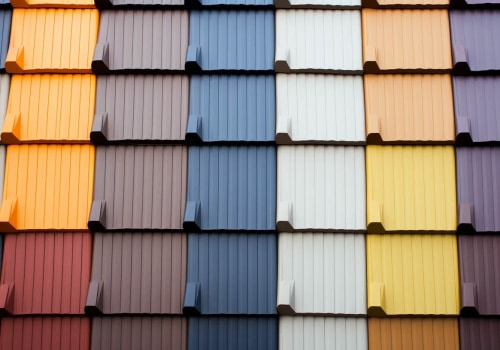
In regions characterised by high temperatures and low humidity, such as deserts, roofing materials must reflect sunlight to prevent overheating.Metal roofs
, for instance, are an excellent choice as they can reflect solar radiation effectively. Additionally, tile roofs, particularly clay or concrete, provide durability and thermal resistance, making them suitable for these environments.Cold Climates
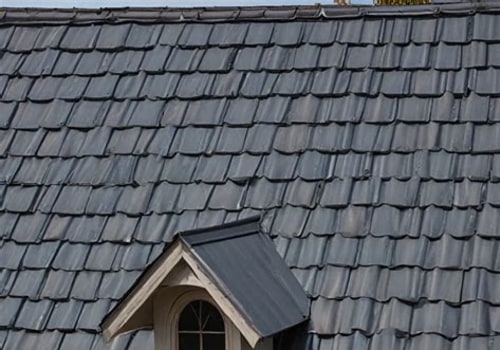
In colder regions where snow and ice are prevalent, roofing materials need to withstand heavy loads and resist moisture infiltration.Asphalt shingles are popular due to their affordability and effectiveness in shedding snow. However, slate roofs offer superior durability and can last for decades, making them a worthwhile investment in areas with harsh winters.
Humid and Tropical Climates
For homes located in humid or tropical areas, the risk of mould and mildew is a significant concern.Metal roofing
is again a strong contender due to its resistance to rot and insects. Additionally, synthetic roofing materials, such as rubber or PVC, can provide excellent waterproofing while being lightweight and easy to install.Conclusion
The choice of roofing material should always consider local climate conditions.By selecting appropriate materials tailored to withstand specific weather challenges, homeowners can enhance the durability and performance of their roofs while ensuring long-term protection for their homes.
Geographical Factors and Their Influence on Roofing Choices
The geographical location of a home plays a crucial role in determining the most suitable roofing materials. Various factors such as climate, topography, and proximity to water bodies can significantly influence these choices.Climate Considerations
- Coastal Areas: Homes near the coast are often exposed to high humidity and salt air, which can lead to corrosion. Therefore, materials like metal roofing or specially treated asphalt shingles are preferred for their durability against these elements.
- Mountain Regions: In areas with heavy snowfall, roofs must be designed to withstand the weight of snow accumulation.
Slate
and tile roofs are popular choices due to their strength and longevity. - Desert Climates: Homes in arid regions require roofing materials that can reflect sunlight and reduce heat absorption.
Clay tiles or reflective metal roofs are often used to keep homes cooler.
Topographical Impact
The topography of an area can also dictate roofing choices. For instance, homes situated in valleys may experience more moisture and require materials that resist mould and mildew. Conversely, properties on steep slopes may benefit from materials that allow for better water runoff, such as asphalt shingles.
Local Building Codes
Compliance with local building codes is another critical factor influenced by geographical location. Different regions have specific regulations regarding roofing materials based on environmental risks such as wildfires or hurricanes.
For example, areas prone to wildfires may mandate the use of non-combustible materials like metal or tile roofing.In summary, understanding the geographical factors at play is essential for homeowners when selecting roofing materials. By considering climate, topography, and local regulations, one can make informed decisions that enhance both the durability and safety of their home.
Urban vs. Rural Roofing Material Needs
The choice of roofing materials is significantly influenced by whether a home is located in an urban or rural setting. Each environment presents unique challenges and opportunities that can dictate the most suitable roofing options.Urban Roofing Materials
In urban areas, the aesthetic appeal of a home often takes precedence.Homeowners may opt for materials that complement the architectural style of their neighbourhood. Common choices include:
- Metal roofing: Known for its sleek appearance and durability, metal roofing is popular in cities where modern design is valued.
- Slate tiles: These offer a sophisticated look and are often used in upscale urban developments.
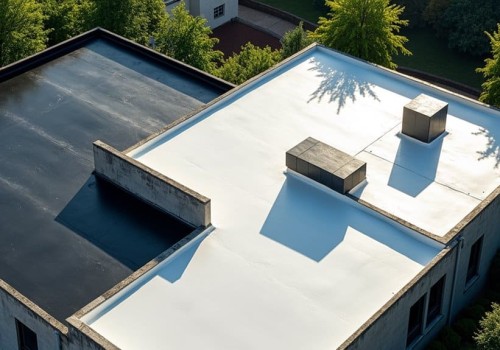
- Flat roofs: Frequently seen in commercial buildings, flat roofs are also becoming more common in residential areas due to their space-saving benefits.
Rural Roofing Considerations
Conversely, rural areas often prioritise practicality and sustainability over aesthetics. Homeowners might consider:- Asphalt shingles: These are cost-effective and widely available, making them a popular choice for rural homes.
- Wood shingles or shakes: These materials blend well with natural surroundings but require more maintenance.
- Clay tiles: While heavier and more expensive, clay tiles can be ideal for homes in warmer climates due to their thermal properties.
Many seek materials that are locally sourced or have a lower carbon footprint. This consideration not only supports local economies but also aligns with a growing trend towards sustainability.In summary, while urban roofing materials often lean towards modern aesthetics and compliance with regulations, rural roofing considerations tend to favour practicality and environmental impact. Understanding these differences is crucial for homeowners when selecting the right roofing material for their specific location.
Cultural Influences on Roofing Material Selection
The choice of roofing materials is often deeply influenced by cultural factors and the architectural styles prevalent in a region. Different cultures have developed unique preferences based on their historical context, climate, and available resources, which in turn shapes the aesthetics and functionality of roofing.For instance, in regions with a rich history of timber construction, such as parts of Scandinavia, thatch or wooden shingles are commonly used.These materials not only reflect the local tradition but also provide excellent insulation against cold weather. In contrast, Mediterranean areas often favour terracotta tiles, which are not only durable but also effective in reflecting sunlight, keeping homes cooler during hot summers.
Traditional Roofing Materials
Many traditional roofing materials are a direct response to local environmental conditions:- Slate: Common in the UK, particularly in Wales, slate roofs are valued for their longevity and ability to withstand harsh weather.
- Thatch: Found in rural England and parts of Europe, thatch is made from dried vegetation and is known for its natural insulating properties.
- Metal roofing: Popular in North America and Australia, metal roofs are chosen for their durability and resistance to extreme weather conditions.
Regional Architectural Styles
The architectural style prevalent in a region can dictate the type of roofing material used. In areas where Victorian architecture is prominent, intricate roof designs often require materials like slate or decorative tiles that complement the ornate features of the buildings.Conversely, modern minimalist designs may favour flat roofs with materials such as EPDM rubber or TPO, which offer a sleek appearance while being functional.Ultimately, understanding these cultural influences is essential for homeowners and builders alike when selecting roofing materials that not only meet practical needs but also resonate with the local heritage and aesthetic values.
Economic Factors Affecting Roofing Material Choices
The choice of roofing materials is significantly influenced by economic factors, which vary widely depending on the location of a home. Understanding these factors is crucial for homeowners and builders alike, as they directly impact both the cost of roofing materials and the overall budget for roofing projects.One of the primary considerations is the local economy. In areas where the economy is thriving, homeowners may be more inclined to invest in premium roofing materials, such as slate or metal, which offer durability and aesthetic appeal. Conversely, in regions facing economic challenges, budget-friendly options like asphalt shingles or composite materials may become more prevalent due to their lower initial costs.Additionally, regional availability of materials can affect pricing.For instance, in coastal areas prone to hurricanes, there may be a higher demand for impact-resistant roofing materials, which can drive up costs. Homeowners in these regions must weigh the long-term benefits of investing in more resilient materials against their immediate budget constraints.
- Cost of Roofing Materials: Prices can fluctuate based on local supply and demand. Homeowners should research local suppliers to find competitive pricing.
- Economic Impact on Roofing Choices: Economic downturns often lead to a preference for less expensive materials, while economic booms can encourage investment in high-quality options.
- Budget Considerations for Roofs: Homeowners should establish a clear budget that considers not only material costs but also installation and maintenance expenses over time.
Sustainability and Environmental Considerations in Roofing Materials
As the conversation around sustainability and environmental responsibility grows, the choice of roofing materials has become increasingly significant.Homeowners are now more aware of how their roofing decisions can impact the environment, particularly in relation to their geographical location.Different regions have varying climates, which can influence the availability and effectiveness of eco-friendly roofs. For instance, areas prone to heavy rainfall may benefit from materials that are not only sustainable but also highly durable and water-resistant. In contrast, homes in hotter climates might opt for reflective roofing materials that help reduce energy consumption by keeping interiors cooler.
Local Availability of Sustainable Materials
The environmental impact of roofing choices is also closely tied to the local availability of sustainable materials. Some regions may have easy access to recycled or locally sourced materials, such as reclaimed wood or metal, which can significantly reduce the carbon footprint associated with transportation.In contrast, other areas may lack these options, making it essential for homeowners to research and consider what is available in their locality.
Regulatory Considerations
Additionally, local building codes and regulations often dictate the types of materials that can be used. Many regions are now implementing stricter guidelines aimed at promoting sustainability. Homeowners should consult with local authorities to ensure compliance while also exploring sustainable roofing materials that meet these standards.Ultimately, selecting the right roofing material involves a careful balance between sustainability, environmental impact, and local conditions. By prioritising eco-friendly options that align with their specific location, homeowners can contribute to a more sustainable future while enhancing the longevity and performance of their roofs.FAQs About Roofing Materials and Location Impact
When considering roofing materials, many homeowners have questions about how their location influences their choices.Here are some common queries:
- How does climate affect roofing material selection? The climate in your area plays a crucial role in determining the best roofing material. For instance, regions with heavy rainfall may benefit from metal roofs or asphalt shingles, which are designed to withstand moisture. Conversely, areas with high temperatures might require materials like clay tiles or slate, which can reflect heat and reduce cooling costs.
- What about wind resistance? If you live in a windy area, it’s essential to choose roofing materials that can withstand strong gusts.
Architectural shingles
, for example, are designed to resist wind uplift better than traditional 3-tab shingles. - Are there specific materials for coastal regions? Coastal homes face unique challenges due to saltwater exposure and humidity.
In these areas, fibreglass shingles or metal roofing are often recommended as they offer better resistance to corrosion and moisture.
- How does local building code influence material choice? Your local building codes may dictate certain requirements for roofing materials based on environmental factors. Always check with your local authority to ensure compliance.
Conclusion: Making Informed Roofing Material Choices Based on Location
In conclusion, the location of a home plays a pivotal role in determining the most suitable roofing materials. As we have explored, various factors such as climate, local building codes, and environmental conditions significantly influence the choice of roofing.Homeowners must consider these elements to ensure that their roofs not only enhance the aesthetic appeal of their properties but also provide long-lasting protection.For instance, in areas prone to heavy rainfall or snow, materials like metal roofing or slate may be more appropriate due to their durability and water resistance. Conversely, in regions with high temperatures and intense sunlight, tile roofing or asphalt shingles can offer better insulation and energy efficiency.Additionally, understanding local building regulations is crucial. Many regions have specific codes that dictate the types of materials that can be used based on environmental risks such as wildfires or hurricanes. Adhering to these regulations not only ensures safety but can also affect insurance premiums and property value.Ultimately, making informed decisions about roofing materials based on location can lead to significant long-term benefits.
Homeowners should consult with local roofing experts who can provide insights tailored to their specific area. By doing so, they can select materials that not only meet their aesthetic preferences but also withstand the challenges posed by their unique environment.In summary, when it comes to roofing choices, location is not just a detail; it is a fundamental aspect that shapes the durability, efficiency, and overall success of a roofing project. By prioritising location in the decision-making process, homeowners can ensure they invest wisely in their roofs.