The colour of a roof plays a pivotal role in determining the overall energy efficiency of a building. As homeowners and builders increasingly seek ways to reduce energy consumption and lower utility bills, understanding how roof colour affects thermal performance has become essential. The choice of roofing material and its hue can significantly influence how much heat is absorbed or reflected, impacting indoor temperatures and energy usage. In regions with hot climates, lighter-coloured roofs are often recommended as they reflect more sunlight, thereby keeping buildings cooler. Conversely, darker roofs tend to absorb heat, which can lead to increased air conditioning costs during the warmer months.
This relationship between roof colour and energy efficiency is not just a matter of aesthetics; it has real implications for sustainability and environmental impact. As we delve deeper into this topic, we will explore the latest roofing news surrounding colour choices, innovative materials that enhance energy efficiency, and practical tips for homeowners looking to make informed decisions about their roofing options. Understanding these factors is crucial for anyone interested in maximising their home's energy performance while contributing to a greener future.
The Science Behind Roof Colour and Temperature Regulation
The colour of a roof plays a crucial role in determining its ability to regulate temperature, which in turn affects the overall energy efficiency of a building. This phenomenon is primarily governed by the principles of solar radiation absorption and reflection. Darker colours tend to absorb more heat, while lighter shades reflect it, leading to significant differences in indoor temperatures.When sunlight strikes a roof, it can be absorbed or reflected based on the roof's colour.For instance, a black roof can absorb up to 90% of solar energy, resulting in higher temperatures within the building. In contrast, a white or light-coloured roof can reflect up to 80% of solar energy, keeping the interior cooler and reducing the need for air conditioning.This difference in heat absorption can lead to substantial energy savings. According to studies, buildings with reflective roofs can reduce cooling costs by as much as 20%. This is particularly beneficial in warmer climates where air conditioning is essential for comfort.
Key Factors Influencing Roof Colour and Energy Efficiency:
- Geographical Location: The impact of roof colour varies depending on the local climate.
In hot regions, lighter roofs are more advantageous, while darker roofs may be beneficial in colder areas where heat retention is desired.
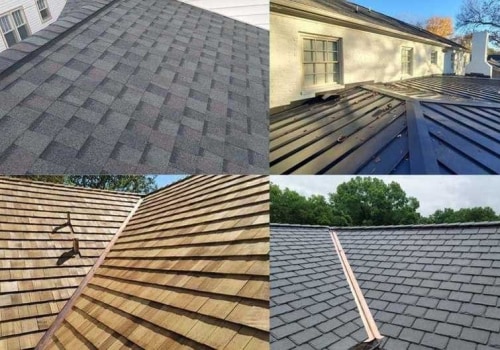
- Material Type: Different roofing materials have varying thermal properties. For example, metal roofs can be coated with reflective finishes that enhance their energy efficiency regardless of colour.
- Building Orientation: The direction a building faces can also influence how much sunlight its roof receives, affecting the overall temperature regulation.
Comparative Analysis of Light vs. Dark Roofs
The choice between light and dark roofs can significantly influence a building's energy efficiency, particularly in terms of heat absorption and retention.Light-coloured roofs are known for their ability to reflect sunlight, which can lead to substantial energy savings, especially in warmer climates. According to a study by the Cool Roof Rating Council, light roofs can reduce roof surface temperatures by up to 30 degrees Fahrenheit compared to their darker counterparts.In contrast, dark roofs absorb more heat, which can be beneficial in colder regions where retaining warmth is essential. However, this increased heat absorption can lead to higher cooling costs during the summer months. A case study conducted in California demonstrated that buildings with light-coloured roofs experienced a reduction in air conditioning costs by as much as 20% compared to those with dark roofs.
Energy Savings Analysis
- Light Roofs: Reflect up to 80% of sunlight, leading to lower cooling costs.
- Dark Roofs: Absorb heat, which may increase energy consumption for cooling in summer.
- Climate Considerations: The effectiveness of roof colour varies based on local climate conditions.
They also contribute to a reduction in the urban heat island effect, which is a significant concern in densely populated areas. By reflecting more sunlight, light roofs help lower ambient temperatures, thereby improving overall urban air quality.In summary, while dark roofs may offer advantages in colder climates by retaining heat, the overall trend in roofing news indicates a growing preference for light-coloured roofing materials due to their superior energy efficiency and long-term cost savings. Homeowners and builders should carefully consider these factors when selecting roofing materials to optimise energy performance and sustainability.
Regional Variations: How Climate Influences Roof Colour Choices
The choice of roof colour is significantly influenced by climate, as different regions experience varying temperatures and weather patterns that can affect energy efficiency. In warmer climates, lighter coloured roofs are often preferred.These roofs reflect more sunlight, which helps to keep buildings cooler and reduces the need for air conditioning. For instance, in areas like the Mediterranean or southern Australia, homeowners frequently opt for white or light grey roofing materials to enhance energy efficiency.Conversely, in colder climates, darker roofs can be advantageous. They absorb more heat from the sun, which can help to melt snow and ice more quickly, reducing the risk of ice dams and improving overall safety. Regions such as northern Canada or Scandinavia often see a prevalence of dark shingles or tiles that contribute to maintaining warmth within the home during harsh winters.Moreover, regional roofing choices are also influenced by local building codes and cultural preferences.
For example, in tropical regions where heavy rainfall is common, roofs are often designed with steeper pitches and made from materials that can withstand moisture. The colour of these roofs may vary, but the emphasis is on durability and functionality rather than solely on aesthetics.In addition to climate considerations, homeowners should also take into account the energy efficiency ratings of roofing materials. Some manufacturers offer products specifically designed to enhance thermal performance, regardless of colour. Reflective coatings can be applied to darker roofs to improve their energy efficiency without compromising on style.Ultimately, understanding how climate influences roof colour choices is essential for homeowners looking to optimise their energy efficiency while ensuring their homes remain comfortable throughout the year.
Innovative Roofing Materials and Their Energy-Efficient Properties
As the demand for energy-efficient roofs continues to rise, innovative roofing materials are emerging that not only enhance aesthetic appeal but also significantly improve energy performance.These materials go beyond traditional options, offering unique properties that contribute to sustainability and cost savings.One of the most exciting advancements in roofing technology is the development of cool roofing materials. These materials are designed to reflect more sunlight and absorb less heat than standard roofing products. By utilising reflective coatings or specially formulated membranes, cool roofs can lower roof temperatures by up to 30 degrees Fahrenheit, which in turn reduces the need for air conditioning and lowers energy bills.Another innovative option is green roofs, which incorporate vegetation into the roofing system. These living roofs not only provide insulation but also help manage stormwater, improve air quality, and enhance biodiversity.
The plants absorb sunlight and provide a natural cooling effect, making them an excellent choice for urban environments where heat islands are prevalent.
Solar shingles
represent another leap forward in roofing technology. These shingles serve a dual purpose: they protect the home while generating electricity from sunlight. By integrating solar technology directly into the roof structure, homeowners can reduce their reliance on traditional energy sources and potentially eliminate their electricity bills.Additionally, advancements in insulation materials, such as spray foam and reflective insulation, are enhancing the energy efficiency of roofs. These materials create a barrier that minimizes heat transfer, keeping homes warmer in winter and cooler in summer.In conclusion, the landscape of roofing is evolving with these innovative materials that not only focus on colour but also on functionality and sustainability.Staying updated with roofing news can help homeowners make informed decisions about which materials will best suit their energy efficiency needs.
The Role of Roof Coatings in Enhancing Energy Efficiency
When considering the energy efficiency of a building, the colour of the roof plays a significant role. However, for existing roofs that may not have been designed with energy efficiency in mind, roof coatings offer a viable solution to enhance performance. These coatings can transform the thermal dynamics of a roof, regardless of its original colour.Reflective coatings
, in particular, are designed to reflect sunlight rather than absorb it. This is crucial in warmer climates where excessive heat can lead to increased energy consumption for cooling systems.By applying a reflective coating, homeowners can significantly reduce the amount of heat entering their buildings, leading to lower energy bills and improved comfort.Moreover, roof coatings can also provide additional benefits:
- Extended Roof Lifespan: Coatings protect the underlying materials from UV damage and weathering, prolonging the life of the roof.
- Improved Aesthetics: Many coatings come in various colours and finishes, allowing homeowners to enhance their property's appearance while improving functionality.
- Environmental Impact: By reducing energy consumption, reflective coatings contribute to lower greenhouse gas emissions, making them an eco-friendly choice.
Frequently Asked Questions About Roof Colour and Energy Efficiency
Understanding the relationship between roof colour and energy efficiency is crucial for homeowners looking to optimise their energy consumption. Here are some frequently asked questions that can help clarify this topic:- Does the colour of my roof really affect energy efficiency?
Yes, the colour of your roof can significantly impact its energy efficiency.Lighter colours reflect more sunlight, which can help keep your home cooler in warmer months, while darker colours absorb heat, potentially increasing cooling costs.
- What are the best roof colours for energy efficiency?
Generally, white, light grey, and other light shades are considered the most energy-efficient options. These colours reflect sunlight effectively, reducing heat absorption. - Can I improve my roof's energy efficiency without changing its colour?
Yes, there are several ways to enhance your roof's energy efficiency without altering its colour. Options include adding reflective coatings, installing insulation, or using energy-efficient roofing materials. - How does roof colour impact heating costs in winter?
While lighter roofs are beneficial in summer, darker roofs can be advantageous in winter as they absorb more heat from the sun. This can help reduce heating costs during colder months. - Are there any roofing materials that enhance energy efficiency regardless of colour?
Absolutely! Materials such as metal roofing, cool roofing, and certain types of shingles are designed to improve energy efficiency through their reflective properties and insulation capabilities.
Conclusion: Key Takeaways on Roof Colour and Energy Efficiency
In conclusion, the colour of a roof plays a significant role in determining its energy efficiency.As we have explored, lighter-coloured roofs tend to reflect more sunlight, thereby reducing heat absorption and lowering cooling costs during warmer months. Conversely, darker roofs can absorb heat, which may be beneficial in colder climates but can lead to increased energy consumption in hotter regions.Here are the key takeaways regarding roof colour and its impact on energy efficiency:
- Reflectivity: Lighter colours reflect solar radiation, which can help maintain cooler indoor temperatures.
- Heat Absorption: Dark roofs absorb more heat, potentially increasing air conditioning costs in warm climates.
- Climate Considerations: The ideal roof colour may vary based on local climate conditions; homeowners should consider their specific environment.
- Energy Savings: Choosing the right roof colour can lead to significant energy savings over time, contributing to lower utility bills.
- Sustainability: Opting for energy-efficient roofing solutions aligns with broader sustainability goals, reducing overall carbon footprints.