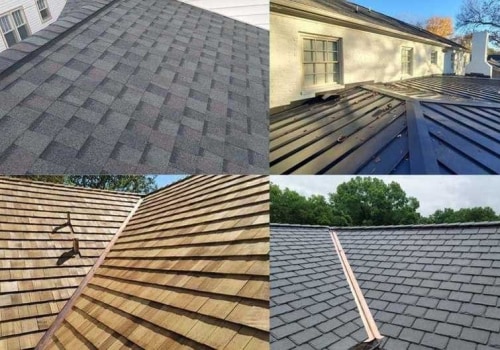
The relationship between climate and roofing is a critical aspect that often goes unnoticed until it’s too late. As homeowners and builders strive to create durable structures, understanding how various climatic conditions impact the lifespan of a roof becomes essential. From the scorching heat of summer to the relentless rains of winter, each weather pattern plays a significant role in determining how long a roof will last. Different roofing materials respond uniquely to climatic challenges. For instance, asphalt shingles may deteriorate faster in areas with extreme temperature fluctuations, while metal roofs can withstand harsh conditions but may be prone to rust in humid environments.
This variability highlights the importance of selecting the right roofing material based on local climatic conditions. As we delve deeper into this topic, we will explore how factors such as UV exposure, precipitation, and temperature extremes contribute to the overall health and longevity of roofs. Moreover, staying updated with the latest roofing news can provide valuable insights into innovative materials and techniques designed to enhance roof durability against climate-related wear and tear. By understanding these dynamics, homeowners can make informed decisions that not only protect their investment but also contribute to energy efficiency and sustainability in their living spaces.
The Role of Temperature in Roof Durability
The impact of temperature on roofing materials is profound, influencing not only their durability but also their overall lifespan. Extreme temperatures, whether hot or cold, can lead to significant wear and tear on roofs, necessitating a closer examination of how these conditions affect various materials.Effects of High Temperatures
- Thermal Expansion: Many roofing materials, such as asphalt shingles and metal, expand when exposed to high temperatures.
This expansion can cause warping or buckling, leading to potential leaks.
- UV Degradation: Prolonged exposure to sunlight can degrade roofing materials. For instance, asphalt shingles may lose their granules, reducing their effectiveness and lifespan.
- Heat Retention: Darker roofing materials absorb more heat, which can increase the internal temperature of buildings, leading to higher energy costs and potential damage to insulation.
Effects of Low Temperatures
- Cracking and Brittle Materials: Cold weather can make certain materials, like asphalt and some types of tiles, brittle. This brittleness increases the risk of cracking under stress or impact.
- Icing and Snow Accumulation: In colder climates, snow and ice can accumulate on roofs. The weight of this accumulation can strain the roofing structure, while melting and refreezing cycles can lead to ice dam formation, causing leaks.
- Condensation Issues: Cold temperatures can lead to condensation forming under the roof surface, which may promote mould growth and decay in wooden structures.
By selecting appropriate roofing materials that are designed to withstand local climate conditions, one can significantly enhance the lifespan of a roof. Regular maintenance and inspections are also essential in mitigating the adverse effects of temperature fluctuations on roofing systems.
Impact of Precipitation on Roofing Materials
Precipitation plays a significant role in determining the longevity of roofing materials. Both rain and snow can lead to various moisture-related issues that ultimately shorten the lifespan of roofs.Effects of Rain on Roof Lifespan
Rainfall can cause water accumulation on roofs, especially if drainage systems are not functioning properly. Over time, this can lead to:- Leaks: Prolonged exposure to water can penetrate roofing materials, leading to leaks that compromise the integrity of the roof.
- Mould and Mildew: Moist environments foster the growth of mould and mildew, which can damage roofing materials and pose health risks.
- Corrosion: Metal roofing materials are particularly susceptible to corrosion when exposed to constant moisture, leading to premature failure.
Impact of Snow on Roofing
Snow accumulation presents its own set of challenges.The weight of heavy snow can strain roofing structures, while melting snow can create additional moisture issues:
- Structural Stress: Accumulated snow can exceed the load-bearing capacity of a roof, leading to potential structural damage or collapse.
- Ice Dams: When snow melts and refreezes at the eaves, it can create ice dams that prevent proper drainage, causing water to back up under shingles.
Moisture Damage and Prevention
The cumulative effects of rain and snow can lead to significant moisture damage. To mitigate these risks, homeowners should consider:- Regular Inspections: Conducting routine checks for signs of wear or damage can help catch issues early.
- Proper Drainage Systems: Ensuring gutters and downspouts are clear and functional is crucial for directing water away from the roof.
- Quality Materials: Investing in high-quality roofing materials designed to withstand local weather conditions can enhance durability.
Wind and Its Effects on Roof Integrity
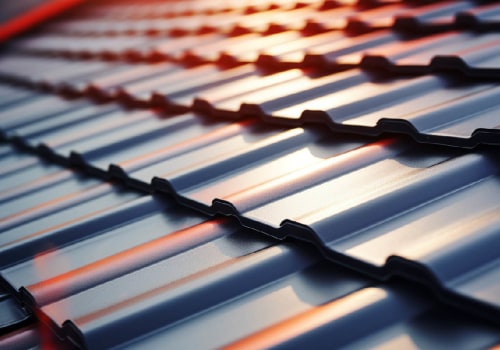
High winds can pose a significant threat to the integrity of roofs, particularly in regions prone to severe weather conditions. Understanding how wind damage affects roofing is crucial for homeowners and builders alike, as it can directly impact the longevity and performance of a roof.One of the primary factors influencing a roof's ability to withstand high winds is the choice of roofing materials.Certain materials are inherently more resistant to wind damage than others. For instance, metal roofing is known for its durability and ability to shed wind effectively, while traditional asphalt shingles may be more susceptible to being lifted or torn off during storms.Additionally, the installation techniques employed can greatly affect a roof's resilience. Properly securing roofing materials with appropriate fasteners and ensuring that they are installed according to manufacturer specifications can enhance wind resistance.
Roofing systems
that incorporate features such as interlocking tiles or reinforced seams are often better equipped to handle gusty conditions.- Wind uplift: This phenomenon occurs when strong winds create a pressure difference between the top and bottom of a roof, potentially lifting it off its structure.
- Debris impact: High winds can carry debris that may strike roofs, causing punctures or other forms of damage.
- Storm preparation: Homeowners in wind-prone areas should consider regular maintenance and inspections to ensure their roofs are ready for severe weather.
Severe weather events, such as hurricanes or tornadoes, can lead to catastrophic roof failures if proper precautions are not taken. Investing in high-quality materials and expert installation can significantly mitigate these risks, ultimately extending the lifespan of a roof.In conclusion, understanding the relationship between wind and roof integrity is essential for maintaining a durable roofing system. By selecting appropriate materials and employing effective installation techniques, homeowners can protect their roofs from the damaging effects of high winds.
UV Radiation and Its Long-Term Effects on Roofing
Ultraviolet (UV) radiation is one of the most significant environmental factors affecting the longevity of roofing materials. Over time, prolonged exposure to UV rays can lead to a range of detrimental effects that compromise the integrity and lifespan of roofs.Impact of UV Radiation on Roofing Materials
- Degradation of Materials: Many roofing materials, particularly those made from asphalt, are susceptible to UV degradation.
This process can cause the materials to become brittle, leading to cracks and splits.
- Loss of Reflectivity: UV exposure can diminish the reflective properties of roofing surfaces, which is crucial for energy efficiency. A roof that absorbs more heat can lead to increased cooling costs and discomfort within the building.
- Colour Fading: The aesthetic appeal of a roof can also be affected by UV radiation. Many roofing materials will fade over time, which not only impacts curb appeal but may also indicate underlying material degradation.
Sun Damage and Its Consequences
The sun's rays can accelerate the aging process of roofing materials. For instance, shingle roofs may experience granule loss due to UV exposure, which exposes the underlying layers to further damage from weather elements.
Similarly, flat roofs, often made from rubber or PVC, can develop cracks and blisters when subjected to intense sunlight over extended periods.
Enhancing Roofing Longevity Under UV Exposure
To mitigate the effects of UV radiation on roofing systems, homeowners and builders can consider several strategies:
- Choosing UV-Resistant Materials: Opting for roofing materials specifically designed to withstand UV exposure can significantly enhance durability.
- Regular Maintenance: Routine inspections and maintenance can help identify early signs of UV damage, allowing for timely repairs that extend the roof's lifespan.
- Applying Protective Coatings: Certain coatings can provide an additional layer of protection against UV rays, helping to preserve both functionality and appearance.
Regional Climate Variations and Their Influence on Roofing Choices
The regional climate plays a crucial role in determining the most suitable roofing materials and practices for homeowners. Different climates present unique challenges that can significantly impact the longevity and performance of roofs.For instance, in areas with heavy rainfall and frequent storms, such as the UK’s coastal regions, roofing materials must be highly resistant to water damage. Slate and metal roofing are often preferred in these regions due to their durability and ability to shed water effectively.Additionally, proper installation techniques, including adequate flashing and drainage systems, are essential to prevent leaks and prolong roof life.Conversely, in regions that experience extreme heat and prolonged sun exposure, such as southern England, roofing choices shift towards materials that reflect sunlight and reduce heat absorption. Clay tiles and light-coloured shingles are popular options as they help maintain cooler indoor temperatures and reduce energy costs.
Snowy climates
, like those found in northern parts of the UK, require roofs designed to withstand heavy snow loads. Steeply pitched roofs are advantageous in these areas as they allow snow to slide off easily, reducing the risk of structural damage. Materials such as asphalt shingles or metal roofing , which can handle the weight of accumulated snow, are often recommended.Local weather patterns
, including humidity levels and wind speeds, also influence roofing decisions.In humid areas, for example, homeowners should consider materials that resist mould and mildew growth, such as treated wood or synthetic options. Meanwhile, regions prone to high winds may benefit from roofs designed with enhanced fastening systems to prevent uplift during storms.Ultimately, understanding the specific climate conditions of a region is vital for making informed roofing choices that ensure durability and longevity. By selecting appropriate materials tailored to local weather challenges, homeowners can significantly extend the lifespan of their roofs while enhancing overall property value.
Maintenance Practices for Extending Roof Lifespan in Various Climates
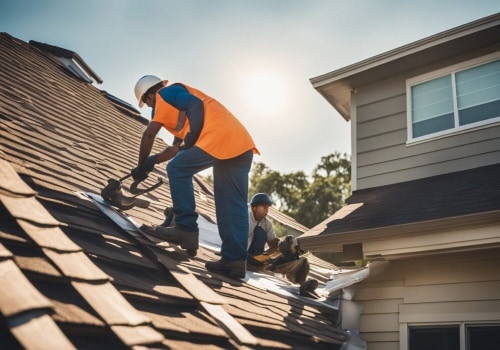
Maintaining your roof is crucial for extending its lifespan, especially as different climates present unique challenges. Here are some tailored maintenance practices that can help homeowners protect their roofs based on their local weather conditions.1.Hot and Sunny Climates
- Regular Inspections: Check for signs of wear, such as cracked or faded shingles, at least twice a year.
- Clean Gutters: Ensure gutters are free from debris to prevent water pooling, which can lead to leaks.
- Reflective Coatings: Consider applying reflective roof coatings to reduce heat absorption and prolong the life of roofing materials.
2.Cold and Snowy Climates
- Snow Removal: Safely remove snow buildup to prevent ice dams, which can cause significant damage.
- Insulation Checks: Ensure proper insulation in your attic to prevent heat loss and reduce the risk of ice formation on the roof.
- Sealant Application: Regularly check and reapply sealants around chimneys and vents to prevent leaks from melting snow.
3.Humid and Rainy Climates
- Moss and Algae Control: Use moss-resistant shingles or apply treatments to prevent growth that can trap moisture.
- Frequent Cleaning: Clean your roof regularly to remove leaves and debris that can hold moisture against the surface.
- Ventilation Improvement: Ensure adequate ventilation in your attic to reduce humidity levels that can lead to roof deterioration.
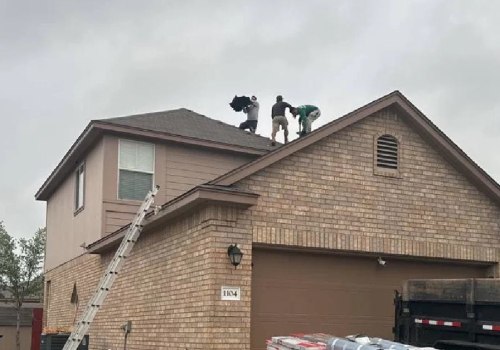
Regular attention to these details not only protects your investment but also enhances the overall safety and comfort of your home.
FAQs About Climate and Roof Lifespan
Understanding how climate impacts the lifespan of your roof is crucial for homeowners. Here are some frequently asked questions that can help clarify this important topic.How does extreme weather affect roof longevity?
Extreme weather conditions, such as heavy rain, snow, and high winds, can significantly shorten the lifespan of a roof. For instance, prolonged exposure to moisture can lead to mould growth and rot, particularly in wooden roofs. Similarly, strong winds can dislodge shingles or tiles, exposing the underlying materials to further damage.What role does temperature play in roof durability?
Temperature fluctuations can also impact roofing materials.High temperatures can cause materials like asphalt shingles to become brittle and crack, while freezing temperatures can lead to ice dam formation, which may result in leaks. Regular inspections during seasonal changes are essential to identify potential issues early.
How often should I maintain my roof in different climates?
The frequency of roof maintenance largely depends on your local climate:- Tropical climates: Inspect your roof at least twice a year due to high humidity and potential storm damage.
- Cold climates: Check for ice dams and snow accumulation after winter storms.
- Dry climates: Look for signs of cracking or fading due to sun exposure at least once a year.
What roofing materials are best for specific climates?
The choice of roofing material can greatly influence durability:- Metal roofs: Excellent for areas with heavy snowfall as they shed snow easily.
- Tiled roofs: Ideal for hot climates as they reflect sunlight and keep homes cooler.
- Asphalt shingles: Versatile but may require more frequent replacement in extreme weather conditions.
Conclusion: Key Takeaways on Climate's Impact on Roofing Longevity
In conclusion, understanding how climate affects the lifespan of a roof is crucial for homeowners and builders alike. The longevity of roofing materials is significantly influenced by various climatic factors, including temperature fluctuations, humidity levels, and exposure to harsh weather conditions.Key takeaways include:
- Temperature Extremes: Roofs in regions with extreme temperatures may experience accelerated wear and tear. High heat can lead to material degradation, while freezing temperatures can cause cracking and other structural issues.
- Moisture and Humidity: Areas with high humidity or frequent rainfall are prone to mould and mildew growth, which can compromise roofing materials.
Proper ventilation and moisture barriers are essential in these climates.
- Sun Exposure: Prolonged exposure to UV rays can degrade roofing materials, particularly asphalt shingles. Choosing UV-resistant materials can help mitigate this effect.
- Wind and Storms: High winds and severe storms can physically damage roofs, leading to leaks and other issues. Regular inspections and maintenance are vital in storm-prone areas.