When considering a new roof, one of the most significant factors that homeowners must grapple with is roofing costs. The price of a new roof can vary dramatically based on a multitude of factors, but perhaps the most influential is the type of material chosen. Understanding how different roofing materials impact overall expenses is crucial for making an informed decision that aligns with both budget and aesthetic preferences. Each roofing material comes with its own set of advantages and disadvantages, not only in terms of durability and maintenance but also regarding initial installation costs. For instance, while traditional asphalt shingles may offer a more affordable upfront cost, premium materials like slate or metal can significantly increase the overall investment.
This variation in pricing can often lead to confusion for homeowners who are trying to balance quality with affordability. As we delve deeper into the specifics of the cost of a new roof, it becomes evident that understanding these nuances is essential. Factors such as local labour rates, the complexity of the roof design, and even regional climate conditions can further influence pricing. By exploring these elements, homeowners can better navigate the often overwhelming landscape of roofing options and make choices that not only enhance their property’s value but also ensure long-term satisfaction.
Factors Influencing Roofing Costs
When considering the cost of a new roof, several factors come into play that can significantly influence the overall price. Understanding these elements is essential for homeowners to make informed decisions.- Material Type: The choice of roofing material is one of the most significant factors affecting cost.
Options range from economical asphalt shingles to premium materials like slate or metal. Each material has its own price point, durability, and aesthetic appeal.
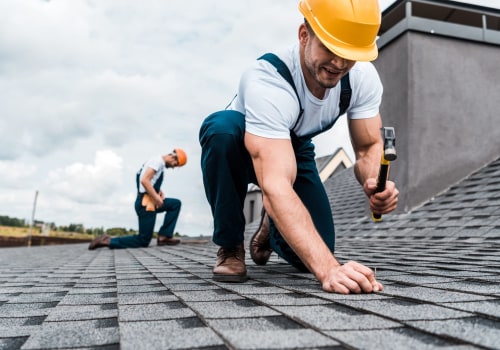
- Labour Costs: Labour costs can vary widely based on the region and the complexity of the installation. Areas with a higher cost of living typically see increased labour rates. Additionally, roofs with intricate designs or multiple levels may require more skilled labour, further driving up costs.
- Roof Size: The size of the roof directly correlates with the amount of materials needed and the time required for installation.
Larger roofs will naturally incur higher costs due to increased material and labour requirements.
- Location: Geographic location plays a crucial role in roofing costs. For instance, homes in areas prone to severe weather may require more robust materials, which can increase expenses. Furthermore, local building codes and regulations can affect both material choices and installation practices.
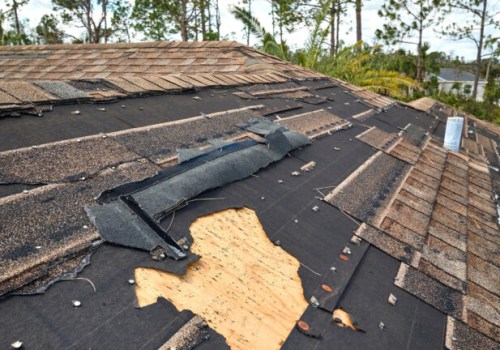
- Removal of Old Roofing: If an existing roof needs to be removed before a new one can be installed, this adds to the overall cost. The complexity of removing old materials and any necessary repairs to the underlying structure can further escalate expenses.
A detailed roofing cost breakdown will help in evaluating different options and ensuring that all aspects are considered before making a final decision.
Overview of Roofing Materials
When considering a new roof, understanding the various types of roofing materials available is crucial. Each material comes with its own set of benefits, drawbacks, and price points, which can significantly influence the overall cost of your roofing project. Here’s a brief overview of some popular roofing material options:- Asphalt Shingles: One of the most common choices, asphalt shingles are affordable and easy to install. They typically last around 20-30 years and come in a variety of styles and colours.
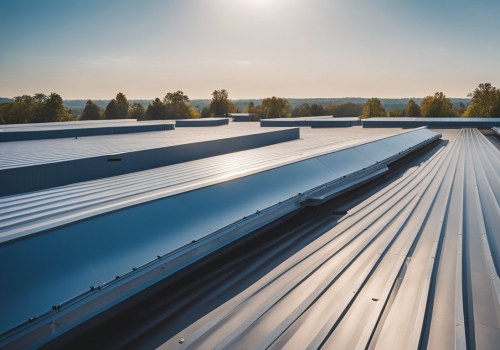
- Metal Roofing: Known for its durability and longevity, metal roofing can last 40-70 years. It is more expensive than asphalt but offers excellent energy efficiency and can withstand severe weather conditions.
- Clay and Concrete Tiles: These materials are highly durable and can last over 50 years.
They provide a distinctive aesthetic but are heavier and may require additional structural support, increasing installation costs.
- Slate Roofing: Renowned for its beauty and longevity, slate can last over 100 years. However, it is one of the most expensive options due to its weight and the skill required for installation.
- Wood Shingles and Shakes: Offering a natural look, wood shingles are typically made from cedar or redwood. They require regular maintenance to prevent rot and can last around 30 years.
Conversely, investing in a metal or slate roof may yield savings in maintenance and replacement down the line. Ultimately, the choice of roofing material should align with your budget, aesthetic preferences, and the specific requirements of your home. Understanding these options will empower you to make an informed decision when it comes to your roofing project.
Cost Analysis of Common Roofing Materials
When considering a new roof, understanding the cost of different roofing materials is crucial for homeowners. Each material comes with its own price range, which can significantly impact the overall budget for a roofing project.Cost of Asphalt Shingles
Asphalt shingles are one of the most popular roofing materials due to their affordability and ease of installation. On average, homeowners can expect to pay between £80 to £120 per square metre for asphalt shingles.This price can vary based on the quality of the shingles, with architectural shingles typically costing more than standard 3-tab options.
Cost of Metal Roofing
Metal roofing has gained popularity for its durability and energy efficiency. The cost for metal roofs generally ranges from £100 to £200 per square metre. Factors influencing this price include the type of metal used (such as steel, aluminium, or copper) and the complexity of the installation. While the initial investment is higher than asphalt, metal roofs often last longer and require less maintenance.Cost of Tile Roofing
Tile roofing, particularly clay or concrete tiles, offers a distinctive aesthetic and exceptional longevity.However, it comes at a premium price, typically ranging from £150 to £300 per square metre. The weight of tile roofs may also necessitate additional structural support, further increasing installation costs.
Comparative Overview
- Asphalt Shingles: £80 - £120 per square metre
- Metal Roofing: £100 - £200 per square metre
- Tile Roofing: £150 - £300 per square metre
Long-term Costs vs. Initial Investment
When considering a new roof, homeowners often focus on the initial investment required for different materials.However, understanding the long-term costs associated with these materials is equally crucial for making a financially sound decision.Different roofing materials come with varying lifespans and maintenance requirements, which can significantly impact their overall cost-effectiveness. For instance:
- Asphalt Shingles: Typically the most affordable option upfront, asphalt shingles may last around 20 years. However, they require regular maintenance and eventual replacement, which can add to long-term costs.
- Metal Roofing: While the initial cost is higher, metal roofs can last 40-70 years with minimal maintenance. This longevity often makes them a more cost-effective choice over time.
- Slate and Tile: These premium materials have a high initial cost but can last over 100 years.
Their durability means fewer replacements and repairs, making them a wise long-term investment.
Regional Variations in Roofing Costs
The cost of roofing can significantly vary across different regions in the UK, influenced by a variety of local factors. Understanding these regional variations is crucial for homeowners planning a roofing project.Local Market Conditions
- In urban areas such as London, roofing prices tend to be higher due to increased demand and higher living costs.
The competition among contractors can also drive prices up.
- Conversely, rural regions may offer more competitive pricing as there are fewer contractors and lower overhead costs, but this can also lead to limited options for materials and expertise.
Material Availability
- The availability of specific roofing materials can vary by region. For instance, slate roofs are more common in Wales, where local quarries supply the material, potentially lowering costs compared to areas where slate must be transported from afar.
- Similarly, regions with a strong tradition of thatched roofs may have more skilled thatchers available, which can affect both the quality and cost of thatching services.
Local Regulations and Building Codes
- Different councils may impose varying regulations regarding roofing materials and construction methods. Areas with strict conservation laws may require specific materials that could increase costs.
- Additionally, planning permissions can add to the overall expense if homeowners need to navigate complex local regulations before commencing work.
Labour Costs
- Labour costs can also fluctuate based on regional economic conditions. In areas with a high cost of living, such as the South East, labour rates for roofing professionals are typically higher than in the North.
- Seasonal demand can further influence labour availability and pricing; for example, during peak summer months, contractors may charge more due to increased workload.
By doing so, they can make informed decisions that align with their financial plans and material preferences.
Frequently Asked Questions about Roofing Costs
When considering a new roof, homeowners often have numerous questions regarding the costs involved. Understanding these common questions about roofing costs can help you make informed decisions.- What factors influence roofing costs?
Several factors can affect the overall cost of a new roof, including the type of material chosen, the size and pitch of the roof, and any additional features such as skylights or ventilation systems. Labour costs can also vary significantly based on your location and the complexity of the installation. - How do I budget for a new roof?
To effectively budget for a new roof, start by obtaining multiple quotes from reputable contractors. This will give you a clearer picture of the average costs in your area.Additionally, consider setting aside an emergency fund for unexpected expenses that may arise during the installation process.
- Are there financing options available?
Many roofing companies offer financing plans to help homeowners manage the cost of a new roof. These options can include low-interest loans or payment plans that allow you to spread the cost over time. - What is the average lifespan of different roofing materials?
The lifespan of roofing materials varies widely. For instance, asphalt shingles typically last 15-30 years, while metal roofs can last 40-70 years. Understanding these differences can help you assess long-term costs versus initial investment.
Conclusion: Making an Informed Decision on Your Roofing Material
In conclusion, selecting the right roofing material is a critical decision that can significantly impact both your initial investment and your long-term financial commitments.As we have explored, the cost of a new roof varies widely depending on the type of material chosen, with options ranging from economical asphalt shingles to premium slate or metal roofs.When considering your options, it is essential to evaluate not just the upfront costs but also the durability, maintenance requirements, and energy efficiency of each material. For instance, while asphalt shingles may be less expensive initially, they typically have a shorter lifespan compared to materials like metal or tile, which can lead to higher replacement costs over time.
Key Factors to Consider:
- Longevity: Some materials offer warranties that last decades, reducing the need for frequent replacements.
- Energy Efficiency: Certain roofing materials can reflect heat, potentially lowering your energy bills.
- Aesthetic Appeal: The visual impact of your roof can enhance your home’s curb appeal and overall value.
- Local Climate: Different materials perform better in specific weather conditions, affecting their longevity and maintenance needs.
By prioritising both short-term affordability and long-term value, you can achieve a roofing solution that stands the test of time.