Roofing is a critical component of any building, serving as the first line of defence against the elements. However, roofing problems are more common than many homeowners realise, and they can lead to significant issues if not addressed promptly. From leaks and structural damage to poor insulation and ventilation, these problems can compromise the integrity of your home and lead to costly repairs. Understanding these issues is essential for any homeowner looking to maintain their property effectively and ensure outdoor safety.Regular Roofing is a critical component of any building, serving as the first line of defence against the elements. However, roofing problems are more common than many homeowners realise, and they can lead to significant issues if not addressed promptly. From leaks and structural damage to poor insulation and ventilation, these problems can compromise the integrity of your home and lead to costly repairs. Understanding these issues is essential for any homeowner looking to maintain their property effectively and ensure outdoor safety. Regular roofing maintenance is key to preventing these common issues.
Many homeowners overlook their roofs until a problem arises, but proactive measures can save time and money in the long run. Simple tasks such as cleaning gutters, inspecting for missing or damaged shingles, and ensuring proper drainage can significantly extend the lifespan of your roof. By staying informed about potential roofing issues, you can take steps to mitigate risks before they escalate into major concerns. This article will delve into the most prevalent roofing problems faced by homeowners today, offering insights into their causes and practical prevention strategies. By equipping yourself with this knowledge, you can ensure that your roof remains in optimal condition, safeguarding your home and enhancing its value.
Common Roofing Problems
Homeowners often encounter a variety of common roofing problems that can lead to significant issues if not addressed promptly.Understanding these problems is essential for maintaining the integrity of your roof and ensuring the safety of your home.
- Leaks: One of the most prevalent issues, roof leaks can occur due to damaged shingles, improper flashing, or wear and tear over time. Water intrusion can lead to mould growth and structural damage, making it crucial to identify and repair leaks as soon as they are detected.
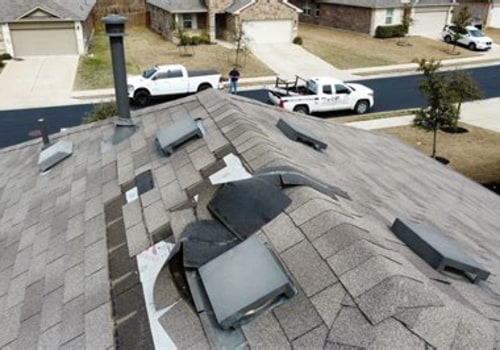
- Missing Shingles: High winds, storms, or poor installation can result in missing shingles. This not only affects the aesthetic appeal of your roof but also exposes the underlying materials to the elements, increasing the risk of leaks and further damage.
- Structural Damage: Over time, roofs can suffer from structural issues due to inadequate support or deterioration of materials. Signs include sagging areas or visible cracks.
Regular inspections can help identify these problems early on.
- Ponding Water: Flat roofs are particularly susceptible to ponding water, which occurs when water accumulates in low spots. This can lead to leaks and accelerate the deterioration of roofing materials.
- Mould and Mildew: Excess moisture can lead to mould and mildew growth on roofs, particularly in shaded areas. This not only affects the roof's appearance but can also compromise its structural integrity.
Additionally, addressing minor repairs promptly can prevent them from escalating into more significant problems.By being proactive about roofing defects, homeowners can extend the lifespan of their roofs and avoid costly repairs in the future.
Causes of Roofing Problems
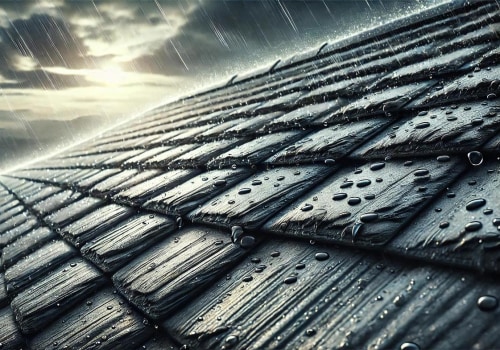
Understanding the causes of roofing problems is crucial for homeowners and property managers alike. Several factors contribute to roofing issues, and recognising these can help in implementing effective prevention strategies.Weather Conditions One of the primary reasons roofs fail is due to adverse weather conditions. Heavy rain, snow, and extreme temperatures can lead to various forms of damage. For instance, prolonged exposure to moisture can cause leaks and promote the growth of mould, while intense heat can cause materials to warp or crack.Poor Installation Another significant factor is poor installation.If a roof is not installed correctly, it may not perform as intended. Common installation mistakes include inadequate sealing of joints and improper alignment of shingles. These errors can lead to premature wear and tear, resulting in costly repairs down the line.Lack of Maintenance A lack of regular maintenance is also a leading cause of roofing damage. Homeowners often overlook routine inspections and cleaning, which can result in the accumulation of debris, blocked gutters, and other issues that compromise the roof's integrity.
Regular maintenance helps identify potential problems early on, allowing for timely interventions.Other Contributing Factors
- Age of the Roof: As roofs age, they become more susceptible to damage. Materials degrade over time, making older roofs more vulnerable to leaks and structural issues.
- Pest Infestation: Animals such as squirrels or birds can cause significant damage by creating holes or nests in roofing materials.
- Improper Ventilation: Inadequate ventilation can lead to heat buildup in the attic, causing shingles to deteriorate faster than they should.
Preventive Measures for Roofing Issues
Preventing roofing problems is essential for maintaining the integrity of your home and ensuring its longevity. Here are some effective roof maintenance tips that can help you avoid common issues:- Regular Inspections: Conduct thorough inspections of your roof at least twice a year, ideally in spring and autumn. Look for signs of wear, such as cracked shingles, rusted flashing, or any debris accumulation.
- Clean Gutters: Ensure that your gutters are free from leaves and other debris.
Clogged gutters can lead to water pooling on your roof, increasing the risk of leaks and structural damage.
- Trim Overhanging Branches: Trees that hang over your roof can cause damage during storms. Regularly trim branches to prevent them from falling and to reduce the amount of debris that lands on your roof.
- Check for Moss and Algae: Moss and algae can trap moisture against your roof, leading to deterioration. Use a mixture of water and bleach to remove these growths, or consider installing zinc strips to prevent their return.
- Seal Leaks Promptly: If you notice any leaks or water stains inside your home, address them immediately. Delaying repairs can lead to more extensive damage and costly repairs down the line.
- Proper Ventilation: Ensure that your attic is well-ventilated.
Poor ventilation can cause heat and moisture buildup, leading to shingle damage and ice dams in winter.
Signs Your Roof Needs Attention
Recognising the signs your roof needs attention is crucial for maintaining the integrity of your home. Ignoring these indicators can lead to more severe damage and costly repairs.Here are some common signs that suggest your roof may require immediate inspection or repair:
- Missing or Damaged Shingles: If you notice shingles that are cracked, curled, or completely missing, it’s a clear sign that your roof is compromised. These issues can allow water to seep in, leading to further damage.
- Granules in Gutters: When cleaning your gutters, if you find an excessive amount of granules, this indicates that your shingles are deteriorating. This is particularly common in older roofs and can lead to leaks.
- Water Stains on Ceilings or Walls: Interior water stains are often a direct result of roof leaks. If you see discolouration or peeling paint on your ceilings or walls, it’s time to investigate further.
- Mould or Mildew Growth: The presence of mould or mildew in your attic or on the underside of your roof can indicate trapped moisture, which is often a result of poor ventilation or leaks.
- Visible Sagging: A sagging roofline is a serious concern and may indicate structural issues.
This could be due to excess weight from snow or water accumulation, and it requires immediate professional assessment.
FAQs About Roofing Problems and Prevention
When it comes to roofing, homeowners often have numerous questions regarding common issues and their prevention. Here are some frequently asked questions that can help you better understand roofing problems and how to maintain your roof effectively.- What are the most common roofing problems?
The most prevalent issues include leaks, missing or damaged shingles, poor ventilation, and moss or algae growth.Each of these problems can lead to significant damage if not addressed promptly.
- How can I identify a roof leak?
Look for water stains on your ceilings or walls, damp spots in your attic, or visible damage on the roof itself. Regular inspections after heavy rain can also help catch leaks early. - What maintenance should I perform on my roof?
Regular maintenance includes cleaning gutters, inspecting for damaged shingles, checking for signs of wear around chimneys and vents, and ensuring proper drainage. It’s advisable to conduct these checks at least twice a year. - How can I prevent moss and algae growth on my roof?
To prevent moss and algae, ensure your roof has adequate sunlight exposure. Installing zinc or copper strips along the ridge can also inhibit growth as rain washes off the metal particles. - When should I consider replacing my roof?
If your roof is over 20 years old, has extensive damage, or requires frequent repairs, it may be time to consider a replacement.A professional inspection can provide clarity on the best course of action.
Conclusion: Key Takeaways on Roofing Care
In conclusion, understanding the most common roofing problems and their prevention is crucial for maintaining the integrity of your home. Regular inspections and timely maintenance can save homeowners from costly repairs and extend the lifespan of their roofs.Key takeaways include:
- Regular Inspections: Conducting routine checks, especially after severe weather, can help identify issues like leaks or damaged shingles before they escalate.
- Proper Ventilation: Ensuring adequate ventilation in your attic can prevent moisture buildup, which is a leading cause of roof deterioration.
- Gutter Maintenance: Keeping gutters clear of debris is essential to prevent water pooling and subsequent damage to the roof structure.
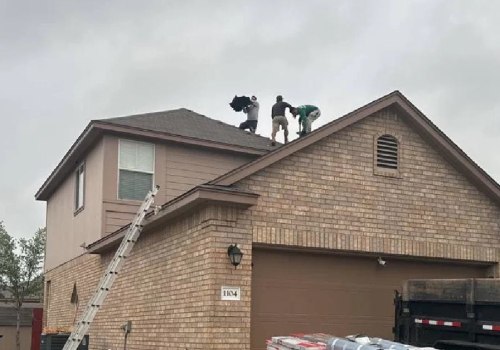
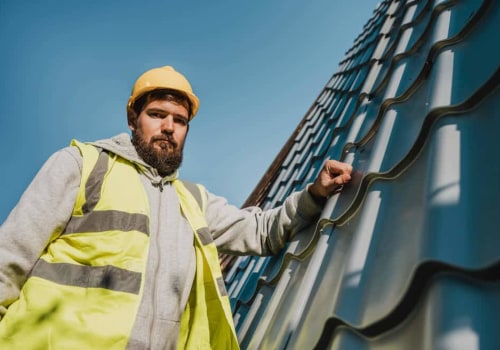
- Professional Help: Engaging with qualified roofing professionals for repairs and maintenance ensures that work is done correctly and safely.